
Nursing practice questions with comprehensive rationales
NurseDive Free Nursing Practice Question
Which home care instructions would the nurse provide to the parent of a child with acquired immunodeficiency syndrome (AIDS)? Select all that apply.
A. The child needs to avoid exposure to other illnesses.
The child needs to avoid exposure to other illnesses.Explanation: Children with AIDS have compromised immune systems and are more susceptible to infections. Therefore, it is important to minimize exposure to other illnesses to reduce the risk of infections.
B. Frequent handwashing is important.
Frequent handwashing is important.Explanation: Good hand hygiene helps prevent the spread of infections. Encouraging frequent handwashing is crucial in the care of a child with AIDS.
C. Clean up body fluid spills with bleach solution (10:1 ratio of water to bleach).
Clean up body fluid spills with bleach solution (10:1 ratio of water to bleach).Explanation: Using a bleach solution to clean up body fluid spills helps to disinfect and reduce the risk of transmission of infections. The recommended ratio is 10 parts water to 1 part bleach.
D. Monitor the child's weight.
Monitor the child's weight.Explanation: Monitoring the child's weight is important for assessing nutritional status and overall health. Weight loss may indicate underlying health issues that need attention.
E. The child's immunization schedule will need revision.
Explanation: Children with AIDS may have altered immune function, but the need for immunizations is still crucial. However, live vaccines may need to be avoided. The immunization schedule should be discussed and individualized with the healthcare provider.
F. Fever, malaise, fatigue, weight loss, vomiting, and diarrhea are expected to occur and do not require special intervention
Explanation: While these symptoms may occur, they should not be dismissed without evaluation. Any changes in the child's health, including symptoms such as fever, malaise, fatigue, weight loss, vomiting, and diarrhea, should be reported to the healthcare provider for appropriate assessment and intervention.
This question is an excerpt from Nurse Dive's nursing test bank - ATI RN Paediatric Assessment Proctored Exam 2022. Take the full exam now
Full Explanation
A. The child needs to avoid exposure to other illnesses.
Explanation: Children with AIDS have compromised immune systems and are more susceptible to infections. Therefore, it is important to minimize exposure to other illnesses to reduce the risk of infections.
B. Frequent handwashing is important.
Explanation: Good hand hygiene helps prevent the spread of infections. Encouraging frequent handwashing is crucial in the care of a child with AIDS.
C. Clean up body fluid spills with bleach solution (10:1 ratio of water to bleach).
Explanation: Using a bleach solution to clean up body fluid spills helps to disinfect and reduce the risk of transmission of infections. The recommended ratio is 10 parts water to 1 part bleach.
D. Monitor the child's weight.
Explanation: Monitoring the child's weight is important for assessing nutritional status and overall health. Weight loss may indicate underlying health issues that need attention.
E. The child's immunization schedule will need revision.
Explanation: Children with AIDS may have altered immune function, but the need for immunizations is still crucial. However, live vaccines may need to be avoided. The immunization schedule should be discussed and individualized with the healthcare provider.
F. Fever, malaise, fatigue, weight loss, vomiting, and diarrhea are expected to occur and do not require special intervention.
Explanation: While these symptoms may occur, they should not be dismissed without evaluation. Any changes in the child's health, including symptoms such as fever, malaise, fatigue, weight loss, vomiting, and diarrhea, should be reported to the healthcare provider for appropriate assessment and intervention.
Similar Questions
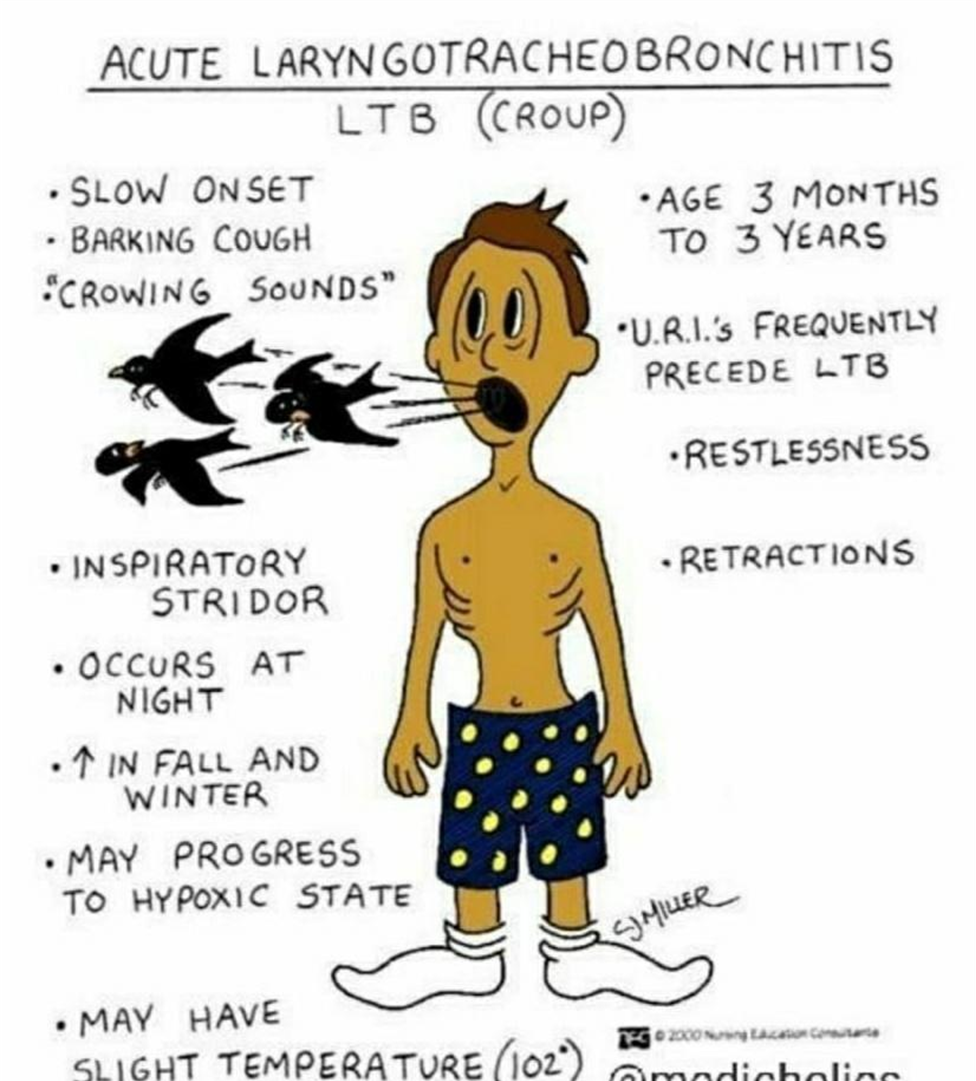
The parent of a hospitalized 2-year-old child with viral laryngotracheobronchitis (croup) asks the nurse why the pediatrician did not prescribe antibiotics. Which response would the nurse make?
A. The child is too young to receive antibiotics
The child is too young to receive antibiotics: This statement doesn't address the actual reason for not prescribing antibiotics for croup, which is primarily due to its viral nature.
B. "Antibiotics are not indicated unless a bacterial infection is present.
"Antibiotics are not indicated unless a bacterial infection is present." Explanation:Viral laryngotracheobronchitis, commonly known as croup, is typically caused by a viral infection, most commonly by the parainfluenza virus. Antibiotics are not effective against viruses. Therefore, unless a bacterial infection is also present, prescribing antibiotics is not necessary or beneficial in treating croup.
C. The child may be allergic to antibiotics.
The child may be allergic to antibiotics: While antibiotic allergies are a consideration, it doesn't explain why antibiotics are not prescribed for viral illnesses like croup.
D. The child still has the maternal antibodies from birth and does not need antibiotics
The child still has the maternal antibodies from birth and does not need antibiotics: Maternal antibodies can offer some protection against infections, but the primary reason for not using antibiotics in viral infections like croup is because antibiotics are ineffective against viruses.
Full Explanation
A. The child is too young to receive antibiotics: This statement doesn't address the actual reason for not prescribing antibiotics for croup, which is primarily due to its viral nature.
B. "Antibiotics are not indicated unless a bacterial infection is present."
Explanation:
Viral laryngotracheobronchitis, commonly known as croup, is typically caused by a viral infection, most commonly by the parainfluenza virus. Antibiotics are not effective against viruses. Therefore, unless a bacterial infection is also present, prescribing antibiotics is not necessary or beneficial in treating croup.
C. The child may be allergic to antibiotics: While antibiotic allergies are a consideration, it doesn't explain why antibiotics are not prescribed for viral illnesses like croup.
D. The child still has the maternal antibodies from birth and does not need antibiotics: Maternal antibodies can offer some protection against infections, but the primary reason for not using antibiotics in viral infections like croup is because antibiotics are ineffective against viruses.
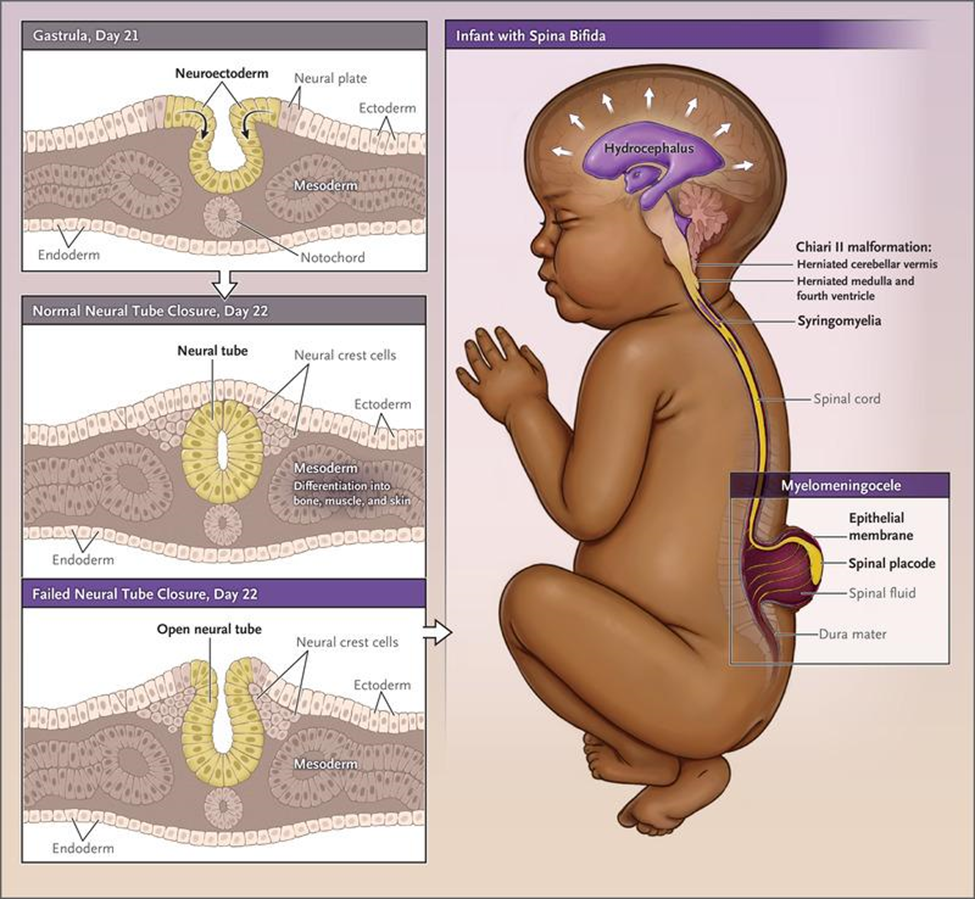
A nurse is caring for an adolescent who has spina bifida and is paralyzed from the waist down. Which of the following statements by the client should indicate to the nurse a need for further teaching?
A. carry a water bottle with me because I drink a lot of water."
"Carry a water bottle with me because I drink a lot of water." Explanation: Staying hydrated is crucial, especially for individuals with paralysis who may be prone to urinary issues. Carrying a water bottle is a good practice to maintain adequate hydration.
B. use a suppository every night to have a bowel movement."
"Use a suppository every night to have a bowel movement." Explanation: Using a suppository for regular bowel movements is a positive self-care behavior. It helps manage bowel care, which is important for individuals with paralysis.
C. I do wheelchair exercises while watching TV."
"I do wheelchair exercises while watching TV."Explanation: Engaging in wheelchair exercises to maintain mobility is a positive self-care behavior. It helps prevent complications related to being sedentary, such as muscle atrophy.
D. only need to catheterize myself twice every day"
"I only need to catheterize myself twice every day."Explanation: This statement may indicate a need for further teaching. Individuals with paralysis, especially due to conditions like spina bifida, often have neurogenic bladder dysfunction. They typically require more frequent catheterization, potentially every 4-6 hours, to ensure adequate bladder emptying and reduce the risk of complications like urinary tract infections (UTIs) or bladder infections.
Full Explanation
A. "Carry a water bottle with me because I drink a lot of water."
Explanation: Staying hydrated is crucial, especially for individuals with paralysis who may be prone to urinary issues. Carrying a water bottle is a good practice to maintain adequate hydration.
B. "Use a suppository every night to have a bowel movement."
Explanation: Using a suppository for regular bowel movements is a positive self-care behavior. It helps manage bowel care, which is important for individuals with paralysis.
C. "I do wheelchair exercises while watching TV."
Explanation: Engaging in wheelchair exercises to maintain mobility is a positive self-care behavior. It helps prevent complications related to being sedentary, such as muscle atrophy.
D. "I only need to catheterize myself twice every day."
Explanation: This statement may indicate a need for further teaching. Individuals with paralysis, especially due to conditions like spina bifida, often have neurogenic bladder dysfunction. They typically require more frequent catheterization, potentially every 4-6 hours, to ensure adequate bladder emptying and reduce the risk of complications like urinary tract infections (UTIs) or bladder infections.
Which specific nursing interventions are implemented in the care of a child with leukemia who is at risk for infection? Select all that apply.
A. Reduce exposure to environmental organisms.
Reduce exposure to environmental organisms.Explanation: Minimizing the child's exposure to environmental organisms helps reduce the risk of infections. This includes practices such as maintaining a clean environment and promoting good hygiene.
B. Maintain the child in a semiprivate room.
Maintain the child in a semiprivate room.Explanation: The type of room (semiprivate or private) may not be directly related to infection control. However, maintaining a clean and controlled environment is important.
C. Use strict aseptic technique for all procedures.
Use strict aseptic technique for all procedures.Explanation: Strict aseptic technique is crucial to prevent the introduction of pathogens during procedures. This involves maintaining a sterile field and using appropriate infection control measures during medical interventions.
D. Ensure that anyone entering the child's room wears a mask
Ensure that anyone entering the child's room wears a mask.Explanation: Wearing a mask helps prevent the spread of respiratory infections, which can be particularly risky for immunocompromised children. It is a measure to protect the child from potential airborne pathogens.
E. Apply firm pressure to a needlestick area for at least 10 minutes
Explanation: Applying firm pressure to a needlestick area is relevant in the context of preventing bleeding or hematoma formation but is not directly related to infection control.
Full Explanation
A.Reduce exposure to environmental organisms.
Explanation: Minimizing the child's exposure to environmental organisms helps reduce the risk of infections. This includes practices such as maintaining a clean environment and promoting good hygiene.
B. Maintain the child in a semiprivate room.
Explanation: The type of room (semiprivate or private) may not be directly related to infection control. However, maintaining a clean and controlled environment is important.
C.Use strict aseptic technique for all procedures.
Explanation: Strict aseptic technique is crucial to prevent the introduction of pathogens during procedures. This involves maintaining a sterile field and using appropriate infection control measures during medical interventions.
D.Ensure that anyone entering the child's room wears a mask.
Explanation: Wearing a mask helps prevent the spread of respiratory infections, which can be particularly risky for immunocompromised children. It is a measure to protect the child from potential airborne pathogens.
E. Apply firm pressure to a needlestick area for at least 10 minutes.
Explanation: Applying firm pressure to a needlestick area is relevant in the context of preventing bleeding or hematoma formation but is not directly related to infection control.