
Nursing practice questions with comprehensive rationales
NurseDive Free Nursing Practice Question
Which intervention(s) should the nurse include in the plan of care for an adolescent who is depressed? (Select all that apply.)
A. Restrict visitors to family members only.
Choice A rationale: Restricting visitors to family members only may not necessarily be a beneficial intervention and could potentially isolate the client further, which may not be in their best interest.
B. Discuss the client's suicide plan.
Choice B rationale: Discussing the client's suicide plan is essential to assess the level of risk and develop strategies to keep the client safe. It allows the healthcare team to understand the severity of the client's depressive symptoms and potential suicidal ideation.
C. Limit time allowed to play video games.
Choice C rationale: Limiting the time allowed to play video games may be a consideration in a broader plan of care, but it is not a primary intervention for addressing depression in adolescents. The focus should be on safety, communication, and building a therapeutic relationship.
D. Encourage the client to discuss thoughts and feelings about wanting to die.
Choice D rationale: Encouraging the client to discuss thoughts and feelings about wanting to die is crucial for therapeutic communication and assessment. It provides an opportunity for the client to express their emotions and allows for intervention and support.
E. Reinforce statements regarding a will to live and realistic plans for the future.
Choice E rationale: Reinforcing statements regarding a will to live and realistic plans for the future is important for building hope and motivation in the client. It can be part of a positive, strengths-based approach to treatment.
This question is an excerpt from Nurse Dive's nursing test bank - Rn Hesi Mental Health Proctored Exam. Take the full exam now
Full Explanation
Choice A rationale:
Restricting visitors to family members only may not necessarily be a beneficial intervention and could potentially isolate the client further, which may not be in their best interest.
Choice B rationale:
Discussing the client's suicide plan is essential to assess the level of risk and develop strategies to keep the client safe. It allows the healthcare team to understand the severity of the client's depressive symptoms and potential suicidal ideation.
Choice C rationale:
Limiting the time allowed to play video games may be a consideration in a broader plan of care, but it is not a primary intervention for addressing depression in adolescents. The focus should be on safety, communication, and building a therapeutic relationship.
Choice D rationale:
Encouraging the client to discuss thoughts and feelings about wanting to die is crucial for therapeutic communication and assessment. It provides an opportunity for the client to express their emotions and allows for intervention and support.
Choice E rationale:
Reinforcing statements regarding a will to live and realistic plans for the future is important for building hope and motivation in the client. It can be part of a positive, strengths-based approach to treatment.
Similar Questions
The nurse is admitting a male client who takes lithium carbonate twice a day. Which information should the nurse report to the healthcare provider immediately?
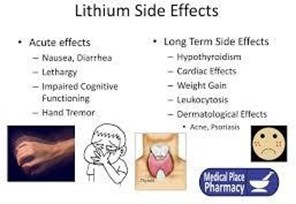
A. Five-pound (2.3 kg) weight gain.
rationale: A five-pound weight gain in a client taking lithium carbonate is significant. however, the timeframe of the weightgain is to be known.
B. Nausea and vomiting.
rationale: Nausea and vomiting are known side effects of lithium that should be reported as they can cause electrolyte imbalance.
C. Short-term memory loss.
rationale: Short-term memory loss is a potential side effect of lithium, but it may not require immediate reporting unless it significantly affects the client's daily functioning or is associated with other concerning symptoms.
D. Depressed affect.
rationale: A depressed affect is a symptom that should be addressed as part of the client's ongoing psychiatric care, but it may not warrant immediate reporting unless it is severe and requires a change in the treatment plan. The priority in this case is the potential lithium toxicity indicated by the weight gain.
Full Explanation
Choice A rationale:
A five-pound weight gain in a client taking lithium carbonate is significant. however, the timeframe of the weightgain is to be known. Choice B rationale:
Nausea and vomiting are known side effects of lithium that should be reported as they can cause electrolyte imbalance.
Choice C rationale:
Short-term memory loss is a potential side effect of lithium, but it may not require immediate reporting unless it significantly affects the client's daily functioning or is associated with other concerning symptoms.
Choice D rationale:
A depressed affect is a symptom that should be addressed as part of the client's ongoing psychiatric care, but it may not warrant immediate reporting unless it is severe and requires a change in the treatment plan. The priority in this case is the potential lithium toxicity indicated by the weight gain.
A middle-aged adult with major depressive disorder suffers from psychomotor retardation, hypersomnia, and motivation. Which intervention is likely to be most effective in returning this client to a normal level of functioning?
A. Teach the client to develop a plan for daily structured activities.
rationale: Teaching the client to develop a plan for daily structured activities is a key intervention for addressing major depressive disorder with symptoms like psychomotor retardation, hypersomnia, and motivation. Structured activities can help the client regain a sense of purpose, improve motivation, and gradually return to a normal level of functioning.
B. Encourage the client to exercise.
rationale: Encouraging exercise is generally beneficial for mental health, but it may not be the most effective intervention for addressing the specific symptoms mentioned in this scenario.
C. Suggest that the client develop a list of pleasurable activities.
rationale: Suggesting the client develop a list of pleasurable activities is a valuable intervention but may not directly address the psychomotor retardation and hypersomnia seen in this case.
D. Provide education on methods to enhance sleep.
rationale: Providing education on methods to enhance sleep is important, especially if hypersomnia is a symptom, but it should be part of a broader treatment plan that also includes addressing psychomotor retardation and motivation.
Full Explanation
Choice A rationale:
Teaching the client to develop a plan for daily structured activities is a key intervention for addressing major depressive disorder with symptoms like psychomotor retardation, hypersomnia, and motivation. Structured activities can help the client regain a sense of purpose, improve motivation, and gradually return to a normal level of functioning.
Choice B rationale:
Encouraging exercise is generally beneficial for mental health, but it may not be the most effective intervention for addressing the specific symptoms mentioned in this scenario.
Choice C rationale:
Suggesting the client develop a list of pleasurable activities is a valuable intervention but may not directly address the psychomotor retardation and hypersomnia seen in this case.
Choice D rationale:
Providing education on methods to enhance sleep is important, especially if hypersomnia is a symptom, but it should be part of a broader treatment plan that also includes addressing psychomotor retardation and motivation.
A male client tells the nurse that he has an IQ of 400+ and is a genius and an inventor. He also reports that he is married to a female movie star and thinks that his brother wants a sexual relationship with her. Which is the priority nursing problem for admission to the psychiatric unit?
A. Compromised family coping.
rationale: Compromised family coping may be a concern, but it is not the most immediate priority given the client's symptoms of altered reality.
B. Ineffective sexual patterns.
rationale: Ineffective sexual patterns is not the primary concern in this scenario, as the client's delusional beliefs and hallucinations take precedence.
C. Impaired environmental interpretation.
rationale: Impaired environmental interpretation may be relevant, but it is not the most immediate priority compared to addressing the client's altered perception of reality.
D. Disturbed sensory perception.
rationale: The client's delusional beliefs and hallucinatory experiences suggest disturbed sensory perception, which is a priority nursing problem that requires immediate attention and intervention. These symptoms may indicate a serious mental health condition, such as psychosis, that necessitates psychiatric evaluation and care.
Full Explanation
Choice A rationale:
Compromised family coping may be a concern, but it is not the most immediate priority given the client's symptoms of altered reality.
Choice B rationale:
Ineffective sexual patterns is not the primary concern in this scenario, as the client's delusional beliefs and hallucinations take precedence.
Choice C rationale:
Impaired environmental interpretation may be relevant, but it is not the most immediate priority compared to addressing the client's altered perception of reality.
Choice D rationale:
The client's delusional beliefs and hallucinatory experiences suggest disturbed sensory perception, which is a priority nursing problem that requires immediate attention and intervention. These symptoms may indicate a serious mental health condition, such as psychosis, that necessitates psychiatric evaluation and care.