Nursing practice questions with comprehensive rationales
NurseDive Free Nursing Practice Question
Which nursing action had the highest priority when administering a dose of codeine with acetaminophen to a client?
A. Advice the client that the medication should start to work in about 30 minutes.
Advise the client that the medication should start to work in about 30 minutes. While it is important to inform the client about the onset of action of the medication, this is not the highest priority. Codeine, an opioid, can cause dizziness and sedation, which increases the risk of falls. Therefore, safety measures take precedence over informing the client about the medication’s onset time.
B. Administer a stool softener/laxative at the same time as the analgesic.
Administer a stool softener/laxative at the same time as the analgesic. Opioids like codeine can cause constipation, so administering a stool softener or laxative is a good practice. However, this action is not the highest priority when considering the immediate safety of the client. Ensuring the client’s safety from potential falls due to dizziness or sedation is more urgent.
C. Instruct the client to request assistance when ambulating to the bathroom.
Instruct the client to request assistance when ambulating to the bathroom. This is the correct answer because codeine can cause dizziness, sedation, and orthostatic hypotension, increasing the risk of falls. Ensuring the client requests assistance when moving can prevent potential injuries, making it the highest priority nursing action.
D. Tell the client to notify the nurse if the pain is not relieved.
Tell the client to notify the nurse if the pain is not relieved. While it is important for the client to communicate about the effectiveness of pain relief, this is not the highest priority. The immediate concern is the client’s safety due to the sedative effects of codeine. Therefore, preventing falls and injuries takes precedence.
This question is an excerpt from Nurse Dive's nursing test bank - HESI Pharmacology Proctored Exam. Take the full exam now
Full Explanation
The correct answer is C. Instruct the client to request assistance when ambulating to the bathroom.
Choice A reason:
Advise the client that the medication should start to work in about 30 minutes.
While it is important to inform the client about the onset of action of the medication, this is not the highest priority. Codeine, an opioid, can cause dizziness and sedation, which increases the risk of falls. Therefore, safety measures take precedence over informing the client about the medication’s onset time.
Choice B reason:
Administer a stool softener/laxative at the same time as the analgesic.
Opioids like codeine can cause constipation, so administering a stool softener or laxative is a good practice. However, this action is not the highest priority when considering the immediate safety of the client. Ensuring the client’s safety from potential falls due to dizziness or sedation is more urgent.
Choice C reason:
Instruct the client to request assistance when ambulating to the bathroom.
This is the correct answer because codeine can cause dizziness, sedation, and orthostatic hypotension, increasing the risk of falls. Ensuring the client requests assistance when moving can prevent potential injuries, making it the highest priority nursing action.
Choice D reason:
Tell the client to notify the nurse if the pain is not relieved.
While it is important for the client to communicate about the effectiveness of pain relief, this is not the highest priority. The immediate concern is the client’s safety due to the sedative effects of codeine. Therefore, preventing falls and injuries takes precedence.
Similar Questions
A client with benign prostatic receives a new prescription of tamsulosin. Which intervention should the nurse use to monitor an adverse reaction?
A. Assess urine output.
Assessing urine output (option a) and performing a bladder scan (option b) may be appropriate interventions for clients with urinary retention or other urinary tract issues, but they are not specific to monitoring adverse reactions to tamsulosin.
B. Perform a bladder scan.
Assessing urine output (option a) and performing a bladder scan (option b) may be appropriate interventions for clients with urinary retention or other urinary tract issues, but they are not specific to monitoring adverse reactions to tamsulosin.
C. Monitor blood pressure.
Tamsulosin is an alpha-1 adrenergic receptor blocker that is commonly used to treat benign prostatic hyperplasia (BPH). One of the potential adverse reactions of tamsulosin is hypotension, which can be manifested as dizziness, lightheadedness, and fainting. Therefore, monitoring blood pressure is a crucial intervention for clients receiving tamsulosin.
D. Obtain daily weights.
Obtaining daily weights (option d) may be useful for monitoring fluid balance in some clients, but it is not directly related to adverse reactions to tamsulosin.
Full Explanation
Tamsulosin is an alpha-1 adrenergic receptor blocker that is commonly used to treat benign prostatic hyperplasia (BPH). One of the potential adverse reactions of tamsulosin is hypotension, which can be manifested as dizziness, lightheadedness, and fainting. Therefore, monitoring blood pressure is a crucial intervention for clients receiving tamsulosin.
Assessing urine output (option a) and performing a bladder scan (option b) may be appropriate interventions for clients with urinary retention or other urinary tract issues, but they are not specific to monitoring adverse reactions to tamsulosin.
Obtaining daily weights (option d) may be useful for monitoring fluid balance in some clients, but it is not directly related to adverse reactions to tamsulosin.

Before administering a newly prescribed dose of terbinafine HCL to a client with a fungal toenail infection, which assessment finding is most important for the nurse to address?
A. Reported history of alcoholism.
Terbinafine HCL is primarily metabolized by the liver, and a history of alcoholism may indicate liver dysfunction or damage, which could affect the metabolism and clearance of the drug. The nurse should assess the client's liver function, including liver enzymes, bilirubin levels, and albumin levels, before administering terbinafine HCL. While options b, c, and d may be important assessment findings, they are not as crucial as a history of alcoholism when it comes to administering terbinafine HCL.
B. Toenails appear thick and yellow.
The thick and yellow toenails (option b) are typical symptoms of a fungal toenail infection, which is the reason for prescribing terbinafine HCL.
C. White blood cells count of 8,500/mm3 or 85 x 109 /L (SI).
The white blood cell count (option c) is within normal range.
D. Employed as a construction worker.
Being employed as a construction worker (option d) does not have a direct impact on the use of terbinafine HCL.
Full Explanation
Terbinafine HCL is primarily metabolized by the liver, and a history of alcoholism may indicate liver dysfunction or damage, which could affect the metabolism and clearance of the drug. The nurse should assess the client's liver function, including liver enzymes, bilirubin levels, and albumin levels, before administering terbinafine HCL.
While options b, c, and d may be important assessment findings, they are not as crucial as a history of alcoholism when it comes to administering terbinafine HCL.
The thick and yellow toenails (option b) are typical symptoms of a fungal toenail infection, which is the reason for prescribing terbinafine HCL.
The white blood cell count (option c) is within normal range.
Being employed as a construction worker (option d) does not have a direct impact on the use of terbinafine HCL.
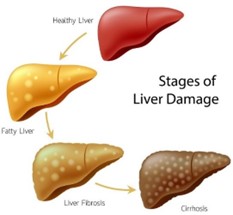
A client with hepatic encephalopathy is receiving lactulose. Which assessment provides the nurse with the nest information to evaluate the client’s therapeutic response to the drug?
A. Fingerstick glucose.
Fingerstick glucose levels (option A) are not relevant to evaluating the therapeutic response of lactulose in hepatic encephalopathy.
B. Serum electrolytes and ammonia.
Lactulose is a medication commonly used in the management of hepatic encephalopathy. It works by reducing the absorption of ammonia in the gut, which is a toxin that can accumulate in the blood in patients with liver dysfunction. Monitoring serum electrolytes and ammonia levels can help the nurse evaluate the effectiveness of lactulose therapy. Elevated ammonia levels can indicate that the medication is not effectively reducing ammonia absorption and may require adjustment in dose or frequency. Additionally, monitoring electrolyte levels can help detect any imbalances that may occur because of lactulose therapy.
C. Stool color and character.
Stool color and character (option C) may be monitored to assess the side effects of lactulose, such as diarrhea, but are not the best assessments to evaluate therapeutic response.
D. Serum hepatic enzymes.
Serum hepatic enzymes (option D) may be useful in assessing the severity of liver disease but are not the best assessment to evaluate the therapeutic response of lactulose in hepatic encephalopathy.
Full Explanation
Lactulose is a medication commonly used in the management of hepatic encephalopathy. It works by reducing the absorption of ammonia in the gut, which is a toxin that can accumulate in the blood in patients with liver dysfunction.
Monitoring serum electrolytes and ammonia levels can help the nurse evaluate the effectiveness of lactulose therapy. Elevated ammonia levels can indicate that the medication is not effectively reducing ammonia absorption and may require adjustment in dose or frequency. Additionally, monitoring electrolyte levels can help detect any imbalances that may occur because of lactulose therapy.
Fingerstick glucose levels (option A) are not relevant to evaluating the therapeutic response of lactulose in hepatic encephalopathy.
Stool color and character (option C) may be monitored to assess the side effects of lactulose, such as diarrhea, but are not the best assessments to evaluate therapeutic response.
Serum hepatic enzymes (option D) may be useful in assessing the severity of liver disease but are not the best assessment to evaluate the therapeutic response of lactulose in hepatic encephalopathy.