
Nursing practice questions with comprehensive rationales
NurseDive Free Nursing Practice Question
Which of the following pieces of personal protective equipment should a phlebotomist wear to adhere to universal precautions in anticipation of body fluid splashes?
A. Hair cap
A hair cap is used to prevent contamination from the hair, but it is not specifically designed to protect against body fluid splashes. While it is a part of personal protective equipment (PPE), it does not provide coverage for the areas most likely to be exposed to splashes during phlebotomy procedures.
B. Gown
A gown is the appropriate choice for protection against body fluid splashes. It covers a significant portion of the body and is designed to prevent fluids from reaching the phlebotomist's skin or undergarments, which is essential when there is a risk of splashes during procedures like venipuncture.
C. Shoe covers
Shoe covers protect the feet from contamination, but they are not typically necessary for phlebotomy unless there is a significant risk of large fluid spills on the floor. They are more commonly used in operating rooms or during the cleaning of large spills.
D. Sterile gloves
Sterile gloves are a standard requirement for phlebotomy to maintain aseptic technique and prevent contamination. However, gloves alone do not provide sufficient protection against body fluid splashes that may reach other parts of the body.
This question is an excerpt from Nurse Dive's nursing test bank - Phlebotomy Certification Proctored Exam 130. Take the full exam now
Full Explanation
Choice A reason:
A hair cap is used to prevent contamination from the hair, but it is not specifically designed to protect against body fluid splashes. While it is a part of personal protective equipment (PPE), it does not provide coverage for the areas most likely to be exposed to splashes during phlebotomy procedures.
Choice B reason:
A gown is the appropriate choice for protection against body fluid splashes. It covers a significant portion of the body and is designed to prevent fluids from reaching the phlebotomist's skin or undergarments, which is essential when there is a risk of splashes during procedures like venipuncture.
Choice C reason:
Shoe covers protect the feet from contamination, but they are not typically necessary for phlebotomy unless there is a significant risk of large fluid spills on the floor. They are more commonly used in operating rooms or during the cleaning of large spills.
Choice D reason:
Sterile gloves are a standard requirement for phlebotomy to maintain aseptic technique and prevent contamination. However, gloves alone do not provide sufficient protection against body fluid splashes that may reach other parts of the body.
Similar Questions
Which of the following blood specimen tests are photosensitive and should be protected from light during handling and transportation?
A. Gastrin
Gastrin is a hormone that stimulates the secretion of gastric acid by the stomach. While it is a critical component in the digestive process, gastrin is not typically sensitive to light, and therefore, does not require protection from light during handling and transportation.
B. Ammonia
Ammonia testing involves measuring the amount of ammonia in the blood, which can indicate liver function and is used in the diagnosis of hepatic encephalopathy. Ammonia levels are not generally affected by light; thus, special precautions to protect from light are not necessary.
C. Pyruvate
Pyruvate is a key intermediate in several metabolic pathways throughout the cell. Pyruvate itself is not considered photosensitive, and standard precautions for handling and transportation are sufficient to maintain its integrity.
D. Bilirubin
Bilirubin is a breakdown product of red blood cells and is measured to evaluate liver function and to assess jaundice. Bilirubin is known to be photosensitive; exposure to light can cause it to break down, which can affect the accuracy of test results. Therefore, specimens for bilirubin testing must be protected from light during handling and transportation to ensure valid results.
Full Explanation
Choice A reason:
Gastrin is a hormone that stimulates the secretion of gastric acid by the stomach. While it is a critical component in the digestive process, gastrin is not typically sensitive to light, and therefore, does not require protection from light during handling and transportation.
Choice B reason:
Ammonia testing involves measuring the amount of ammonia in the blood, which can indicate liver function and is used in the diagnosis of hepatic encephalopathy. Ammonia levels are not generally affected by light; thus, special precautions to protect from light are not necessary.
Choice C reason:
Pyruvate is a key intermediate in several metabolic pathways throughout the cell. Pyruvate itself is not considered photosensitive, and standard precautions for handling and transportation are sufficient to maintain its integrity.
Choice D reason:
Bilirubin is a breakdown product of red blood cells and is measured to evaluate liver function and to assess jaundice. Bilirubin is known to be photosensitive; exposure to light can cause it to break down, which can affect the accuracy of test results. Therefore, specimens for bilirubin testing must be protected from light during handling and transportation to ensure valid results.
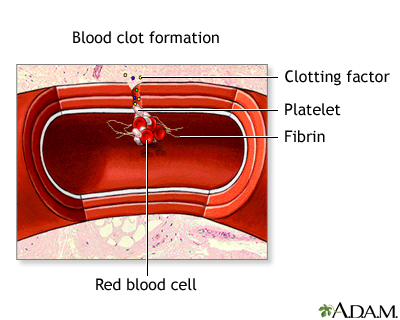
Which of the following tube additives promotes clot formation?
A. Heparin
Heparin is an anticoagulant, not a clot activator. It works by inhibiting thrombin and preventing the conversion of fibrinogen to fibrin, thus preventing clot formation. It is commonly found in green-top tubes and is suitable for collecting plasma samples for tests like electrolyte levels and coagulation studies.
B. Oxalate
Oxalate is also an anticoagulant that prevents clotting by precipitating calcium. It is not used to promote clot formation but rather to maintain a blood sample in a non-coagulated state for various tests.
C. Citrate
Citrate functions similarly to heparin and oxalate as an anticoagulant. It chelates calcium ions in the blood, inhibiting the coagulation process. Citrate is often used in blue-top tubes and is ideal for collecting plasma samples for coagulation studies.
D. Silica
Silica is a clot activator. It is commonly used in serum separator tubes (SSTs) with a gold or red speckled top. The silica particles provide a surface for the rapid formation of the clot, allowing for the separation of serum from the blood cells. This is essential when serum is needed for testing.  
Full Explanation
Choice A reason:
Heparin is an anticoagulant, not a clot activator. It works by inhibiting thrombin and preventing the conversion of fibrinogen to fibrin, thus preventing clot formation. It is commonly found in green-top tubes and is suitable for collecting plasma samples for tests like electrolyte levels and coagulation studies.
Choice B reason:
Oxalate is also an anticoagulant that prevents clotting by precipitating calcium. It is not used to promote clot formation but rather to maintain a blood sample in a non-coagulated state for various tests.
Choice C reason:
Citrate functions similarly to heparin and oxalate as an anticoagulant. It chelates calcium ions in the blood, inhibiting the coagulation process. Citrate is often used in blue-top tubes and is ideal for collecting plasma samples for coagulation studies.
Choice D reason:
Silica is a clot activator. It is commonly used in serum separator tubes (SSTs) with a gold or red speckled top. The silica particles provide a surface for the rapid formation of the clot, allowing for the separation of serum from the blood cells. This is essential when serum is needed for testing.
Which of the following areas will be the focus of the inspection during a laboratory's routine annual inspection, primarily concerning equipment maintenance logs?
A. Mechanical safety
Mechanical safety is a critical aspect of laboratory inspections, especially when focusing on equipment maintenance logs. These logs are essential for ensuring that all mechanical equipment is functioning correctly and safely. Regular maintenance and inspection can prevent mechanical failures that could lead to workplace accidents or compromise the integrity of experiments.
B. Chemical safety
Chemical safety is undoubtedly important in a laboratory setting; however, it is not the primary focus when the inspection is centered on equipment maintenance logs. Chemical safety would involve the proper storage, handling, and disposal of chemicals, which is a separate concern from the mechanical functioning of equipment.
C. Radiation safety
Radiation safety is another vital area in laboratories that work with radioactive materials. However, the maintenance logs for equipment would not typically be the main focus of radiation safety inspections. Instead, radiation safety inspections would concentrate on ensuring proper shielding, monitoring, and training are in place.
D. Electrical safety
Electrical safety is also essential, but similar to chemical and radiation safety, it is not the primary focus when inspecting equipment maintenance logs. Electrical safety would involve checking for proper wiring, grounding, and protection against electrical hazards.
Full Explanation
Choice A reason:
Mechanical safety is a critical aspect of laboratory inspections, especially when focusing on equipment maintenance logs. These logs are essential for ensuring that all mechanical equipment is functioning correctly and safely. Regular maintenance and inspection can prevent mechanical failures that could lead to workplace accidents or compromise the integrity of experiments.
Choice B reason:
Chemical safety is undoubtedly important in a laboratory setting; however, it is not the primary focus when the inspection is centered on equipment maintenance logs. Chemical safety would involve the proper storage, handling, and disposal of chemicals, which is a separate concern from the mechanical functioning of equipment.
Choice C reason:
Radiation safety is another vital area in laboratories that work with radioactive materials. However, the maintenance logs for equipment would not typically be the main focus of radiation safety inspections. Instead, radiation safety inspections would concentrate on ensuring proper shielding, monitoring, and training are in place.
Choice D reason:
Electrical safety is also essential, but similar to chemical and radiation safety, it is not the primary focus when inspecting equipment maintenance logs. Electrical safety would involve checking for proper wiring, grounding, and protection against electrical hazards.