
Nursing practice questions with comprehensive rationales
NurseDive Free Nursing Practice Question
Which of the following waves represents the ventricular depolarization on ECG?
A. QRS wave
QRS wave: The ECG (electrocardiogram) measures the electrical activity of the heart. The QRS complex represents ventricular depolarization, the spread of electrical excitation through the ventricles causing them to contract.
B. P wave
P wave: The P wave represents atrial depolarization, the electrical impulse moving through the atria.
C. T wave
T wave: The T wave represents ventricular repolarization, the ventricles relaxing after contraction.
D. U wave
U wave: The U wave is a small wave of uncertain origin, not related to ventricular depolarization.
This question is an excerpt from Nurse Dive's nursing test bank - Ati Lpn Anatomy And Physiology Proctored Exam. Take the full exam now
Full Explanation
a. QRS wave: The ECG (electrocardiogram) measures the electrical activity of the heart. The QRS complex represents ventricular depolarization, the spread of electrical excitation through the ventricles causing them to contract.
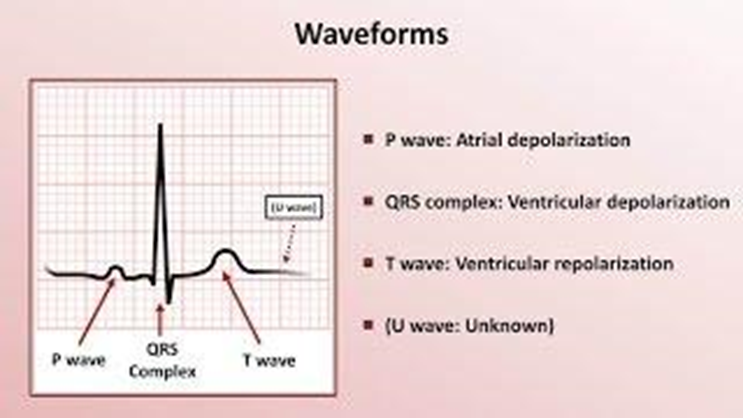
b. P wave: The P wave represents atrial depolarization, the electrical impulse moving through the atria.
c. T wave: The T wave represents ventricular repolarization, the ventricles relaxing after contraction.
d. U wave: The U wave is a small wave of uncertain origin, not related to ventricular depolarization.
Similar Questions
Which of the following glands produces all that lubricates hair follicles?
A. Sebaceous
Sebaceous: Sebaceous glands are located near hair follicles and produce sebum, an oily substance that lubricates the hair and skin, preventing dryness and keeping it supple.
B. Ecorine
Eccrine: Eccrine glands are sweat glands located throughout the skin and help regulate body temperature through sweating.
C. Ceruminous
Ceruminous: Ceruminous glands are located in the ear canal and produce cerumen (earwax) which protects the inner ear from dust, debris, and insects.
D. Apocrine
Apocrine: Apocrine glands are sweat glands located in areas like the armpits and groin. They produce a thicker sweat that takes on an odor when broken down by bacteria.
Full Explanation
a. Sebaceous: Sebaceous glands are located near hair follicles and produce sebum, an oily substance that lubricates the hair and skin, preventing dryness and keeping it supple.
b. Eccrine: Eccrine glands are sweat glands located throughout the skin and help regulate body temperature through sweating.
c. Ceruminous: Ceruminous glands are located in the ear canal and produce cerumen (earwax) which protects the inner ear from dust, debris, and insects.
d. Apocrine: Apocrine glands are sweat glands located in areas like the armpits and groin. They produce a thicker sweat that takes on an odor when broken down by bacteria.
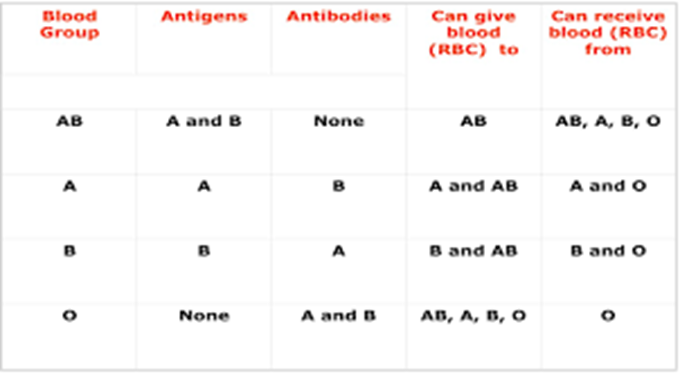
An individual with which of the following blood types can receive all types of blood?
A. AB positive
AB positive: Individuals with AB positive blood are universal recipients. They have A and B antigens on their red blood cells but no antibodies (anti-A or anti-B) in their plasma. Therefore, their body will not reject blood types A, B, AB, or Rh positive or negative.
B. A positive
A positive: Individuals with A positive blood can only receive A positive or O positive blood. Their plasma contains anti-B antibodies, which would attack blood types B and AB.
C. B negative
B negative: Individuals with B negative blood can receive B negative or O negative blood. Their plasma contains anti-A antibodies, which would attack blood types A and AB. The Rh factor is another compatibility consideration, but the question specifies positive.
D. O negative
O negative: Individuals with O negative blood are universal donors but not universal recipients. Their red blood cells lack A and B antigens, so they can be donated to anyone. However, their plasma contains anti-A and anti-B antibodies, so they can only receive O negative blood.
Full Explanation
a. AB positive: Individuals with AB positive blood are universal recipients. They have A and B antigens on their red blood cells but no antibodies (anti-A or anti-B) in their plasma. Therefore, their body will not reject blood types A, B, AB, or Rh positive or negative.
b. A positive: Individuals with A positive blood can only receive A positive or O positive blood. Their plasma contains anti-B antibodies, which would attack blood types B and AB.
c. B negative: Individuals with B negative blood can receive B negative or O negative blood. Their plasma contains anti-A antibodies, which would attack blood types A and AB. The Rh factor is another compatibility consideration, but the question specifies positive.
d. O negative: Individuals with O negative blood are universal donors but not universal recipients. Their red blood cells lack A and B antigens, so they can be donated to anyone. However, their plasma contains anti-A and anti-B antibodies, so they can only receive O negative blood.
Which of the following is the process of voluntary urination?
A. Reabsorption
Reabsorption: Reabsorption is the process by which the kidneys reabsorb water and other needed solutes from the filtrate back into the bloodstream.
B. Incontinence
Incontinence: Incontinence is the involuntary loss of urine.
C. Micturition
Micturition: Micturition is the voluntary process of emptying the urinary bladder. Urine is produced by the kidneys, stored in the bladder, and released through the urethra when the bladder muscles contract and the sphincter relaxes.
D. Filtration
Filtration: Filtration is the process by which the kidneys remove waste products and excess water from the blood to form urine
Full Explanation
a. Reabsorption: Reabsorption is the process by which the kidneys reabsorb water and other needed solutes from the filtrate back into the bloodstream.
b. Incontinence: Incontinence is the involuntary loss of urine.
c. Micturition: Micturition is the voluntary process of emptying the urinary bladder. Urine is produced by the kidneys, stored in the bladder, and released through the urethra when the bladder muscles contract and the sphincter relaxes.
d. Filtration: Filtration is the process by which the kidneys remove waste products and excess water from the blood to form urine