Nursing practice questions with comprehensive rationales
NurseDive Free Nursing Practice Question
Which technique will best communicate to a patient that the registered nurse is interested in listening?
A. Restate a feeling or thought the patient has expressed.
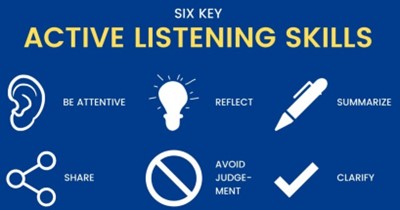
This technique is known as reflective listening or active listening, and it involves paraphrasing what the patient has said to show that the nurse is actively listening and trying to understand the patient's feelings and thoughts. It demonstrates empathy and helps to build trust between the nurse and patient.
B. Giving advice and opinion about the patient's problem.
Option b is not effective because giving advice and opinion can convey a lack of interest in the patient's feelings and thoughts.
C. Ask a direct question, such as, “Did you feel angry?"
Option c is not ideal because it is a closed-ended question that may limit the patient's response.
D. Say "I understand what you're saying now."
Option d may also seem insincere and may not reflect a genuine interest in the patient's concerns.
This question is an excerpt from Nurse Dive's nursing test bank - Mental Health - Proctored Exam 2. Take the full exam now
Full Explanation
This technique is known as reflective listening or active listening, and it involves paraphrasing what the patient has said to show that the nurse is actively listening and trying to understand the patient's feelings and thoughts. It demonstrates empathy and helps to build trust between the nurse and patient.
Option b is not effective because giving advice and opinion can convey a lack of interest in the patient's feelings and thoughts.
Option c is not ideal because it is a closed-ended question that may limit the patient's response.
Option d may also seem insincere and may not reflect a genuine interest in the patient's concerns.
Similar Questions
A client tells the nurse that he wants to kill his boss, the registered nurse tells healthcare provider. The healthcare provider tells his boss. What disciplinary action is needed?
Select one:
A. File an incident report because violation of privacy has been done.
B. Both the nurse and the healthcare provided did violation of confidentiality and privacy
C. Inform the Board of Nursing that violation of patient's privacy.
D. None. The action was appropriate due to duty to warm law.
Full Explanation
In this scenario, the client has expressed a serious threat to harm someone, which triggers a healthcare provider's duty to warn law. The nurse appropriately informed the healthcare provider, who then informed their boss, to protect the potential victim from harm. This action is not a violation of privacy or confidentiality, as it is necessary for the safety and wellbeing of others.
Therefore, no disciplinary action is required for the nurse or the healthcare provider, as they acted in accordance with their professional and legal obligations to protect the safety of others.
A registered nurse is preparing a client who has chronic anxiety for discharge from the psychiatric unit.
Which of the following instructions should the nurse include in the client's discharge plan?
A. Identify anxiety-producing situations.
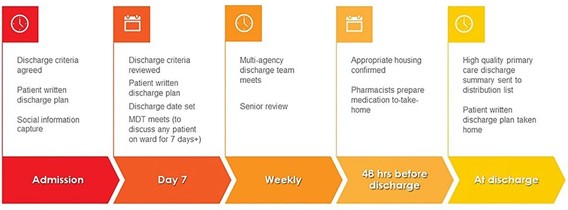
Chronic anxiety is a persistent feeling of unease, worry, or fear that can interfere with daily life. To manage chronic anxiety, the client needs to identify anxiety-producing situations that trigger their symptoms. This can help the client avoid or cope better with these situations. It is important to note that it is not always possible to eliminate stress and anxiety from daily life, so it is better to focus on managing it effectively.
B. Try to repress feelings of anxiety.
Trying to repress feelings of anxiety is not a helpful strategy and can make the client's symptoms worse in the long run. Repressing emotions can lead to feelings of frustration, irritability, and even physical symptoms such as headaches or muscle tension.
C. Eliminate stress and anxiety from daily life.
It is important to note that it is not always possible to eliminate stress and anxiety from daily life, so it is better to focus on managing it effectively.
D. Contact the crisis counselor once a week.
Contacting the crisis counselor once a week may be helpful for some clients, but it is not a standard recommendation for all clients with chronic anxiety. The discharge plan should include personalized recommendations that are tailored to the client's specific needs and circumstances.
Full Explanation
Chronic anxiety is a persistent feeling of unease, worry, or fear that can interfere with daily life. To manage chronic anxiety, the client needs to identify anxiety-producing situations that trigger their symptoms. This can help the client avoid or cope better with these situations. It is important to note that it is not always possible to eliminate stress and anxiety from daily life, so it is better to focus on managing it effectively.
Trying to repress feelings of anxiety is not a helpful strategy and can make the client's symptoms worse in the long run. Repressing emotions can lead to feelings of frustration, irritability, and even physical symptoms such as headaches or muscle tension.
Contacting the crisis counselor once a week may be helpful for some clients, but it is not a standard recommendation for all clients with chronic anxiety. The discharge plan should include personalized recommendations that are tailored to the client's specific needs and circumstances.
A patient experiences an episode of severe anxiety. Of these medications in the patient's medical record. which is most appropriate to administer as an as-needed (PRN) anxiolytic medication?
Select one:
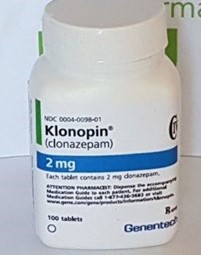
A. clonazepam (Klonopin)
Clonazepam is a benzodiazepine medication that acts quickly to reduce anxiety and promote relaxation. It is commonly used as a PRN medication for acute anxiety episodes.
B. amitriptyline (Elavil)
Amitriptyline (Elavil) is a tricyclic antidepressant that is not typically used as an as-needed anxiolytic medication due to its slow onset of action and potential for side effects.
C. olanzapine (Zyprexa)
Olanzapine (Zyprexa) is an atypical antipsychotic medication that can be used to treat anxiety in certain cases, but it is not typically used as a PRN medication for acute anxiety episodes.
D. escitalopram (Lexapro)
Escitalopram (Lexapro) is a selective serotonin reuptake inhibitor (SSRI) antidepressant that is not typically used as an as-needed anxiolytic medication due to its slow onset of action. It is usually taken on a daily basis to provide ongoing anxiety relief.
Full Explanation
Clonazepam is a benzodiazepine medication that acts quickly to reduce anxiety and promote relaxation. It is commonly used as a PRN medication for acute anxiety episodes.
Amitriptyline (Elavil) is a tricyclic antidepressant that is not typically used as an as-needed anxiolytic medication due to its slow onset of action and potential for side effects.
Olanzapine (Zyprexa) is an atypical antipsychotic medication that can be used to treat anxiety in certain cases, but it is not typically used as a PRN medication for acute anxiety episodes.
Escitalopram (Lexapro) is a selective serotonin reuptake inhibitor (SSRI) antidepressant that is not typically used as an as-needed anxiolytic medication due to its slow onset of action. It is usually taken on a daily basis to provide ongoing anxiety relief.