Nursing practice questions with comprehensive rationales
NurseDive Free Nursing Practice Question
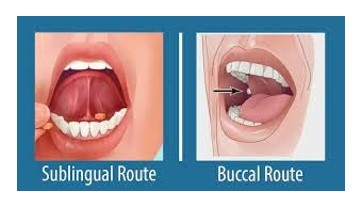
Why are sublingual and buccal medications rapidly absorbed?
A. They are metabolized in the liver.
B. Their action is located in the mouth.
C. These drugs pass directly into systemic circulation.
Sublingual and buccal medications are rapidly absorbed because they are placed under the tongue or between the cheek and gum, where they dissolve and are absorbed directly into the bloodstream through the mucous membranes in the mouth. This allows for rapid absorption and bypasses the liver’s first-pass metabolism.
D. Blood flow is diminished in these sites.
This question is an excerpt from Nurse Dive's nursing test bank - ATI Custom Pharmacology Proctored Exam 2. Take the full exam now
Full Explanation
Sublingual and buccal medications are rapidly absorbed because they are placed under the tongue or between the cheek and gum, where they dissolve and are absorbed directly into the bloodstream through the mucous membranes in the mouth. This allows for rapid absorption and bypasses the liver’s first-pass metabolism.
Similar Questions
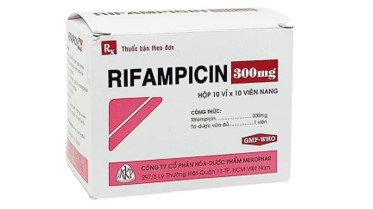
A nurse is caring for a client who has tuberculosis and new prescriptions for rifampin and pyrazinamide. Which of the following laboratory tests should the nurse instruct, the client will be required while on this medication regimen?
A. Gallbladder studies.
B. Liver function tests.
Rifampin and pyrazinamide can cause liver toxicity, so liver function tests should be monitored regularly while on this medication regimen to ensure that the liver is functioning properly and to detect any potential liver damage early.
C. Blood glucose levels.
D. Kidney function studies.
Full Explanation
Rifampin and pyrazinamide can cause liver toxicity, so liver function tests should be monitored regularly while on this medication regimen to ensure that the liver is functioning properly and to detect any potential liver damage early.
A nurse is preparing to admit a client to the PACU who received a competitive neuromuscular blocking agent. Which of the following items should the nurse place at the client’s bedside?
A. Chest tube equipment.
B. Central venous catheter tray.
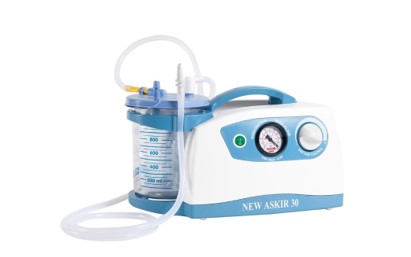
C. Suction device and equipment.
A competitive neuromuscular blocking agent can cause respiratory depression and compromise the client’s ability to clear secretions. Therefore, it is important to have suction equipment readily available at the bedside to assist with airway clearance if needed.
D. Defibrillator machine.
E. Defibrillator machine.
Full Explanation
A competitive neuromuscular blocking agent can cause respiratory depression and compromise the client’s ability to clear secretions. Therefore, it is important to have suction equipment readily available at the bedside to assist with airway clearance if needed.
A nurse is caring for a client who has active pulmonary tuberculosis (TB) and a new prescription for IV rifampin. The nurse should instruct the client that they should expect to experience which of the following manifestations while taking this medication?
A. staining of teeth.
B. Red-coloured urine.
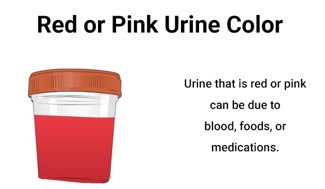
Rifampin can cause body fluids such as urine, sweat, saliva, and tears to turn a reddish-orange color. This is a harmless side effect and is not a cause for concern. The nurse should instruct the client to expect this change in color while taking the medication.
C. Constipation.
D. Black-coloured stools
Full Explanation
Rifampin can cause body fluids such as urine, sweat, saliva, and tears to turn a reddish-orange color. This is a harmless side effect and is not a cause for concern. The nurse should instruct the client to expect this change in color while taking the medication.