
Nursing practice questions with comprehensive rationales
NurseDive Free Nursing Practice Question
A charge nurse at a long-term care facility ensures that the workload is distributed equally among staff when making assignments.
Which of the following ethical principles is the nurse upholding?
A. Veracity.
Choice A is wrong because Veracity is wrong because veracity is the ethical principle of telling the truth to the patient. This principle is not relevant to the scenario of making assignments.
B. Justice.
Justice is the ethical principle of treating the patient fairly and equally among staff when making assignments. The charge nurse is upholding this principle by ensuring that the workload is distributed evenly and that no staff member is overburdened or underutilized.
C. Autonomy.
Choice C is wrong because Autonomy is wrong because autonomy is the ethical principle of respecting the patient’s right to make their own healthcare decisions. This principle is not relevant to the scenario of making assignments.
D. Fidelity.
Choice D is wrong because Fidelity is wrong because fidelity is the ethical principle of keeping promises to the patient. This principle is not relevant to the scenario of making assignments.
This question is an excerpt from Nurse Dive's nursing test bank - ATI PN Capstone Proctored Comprehensive Assessment 2020 B. Take the full exam now
Full Explanation
Justice is the ethical principle of treating the patient fairly and equally among staff when making assignments. The charge nurse is upholding this principle by ensuring that the workload is distributed evenly and that no staff member is overburdened or underutilized.
Choice A is wrong because Veracity is wrong because veracity is the ethical principle of telling the truth to the patient.
This principle is not relevant to the scenario of making assignments.
Choice C is wrong because Autonomy is wrong because autonomy is the ethical principle of respecting the patient’s right to make their own healthcare decisions.
This principle is not relevant to the scenario of making assignments.
Choice D is wrong because Fidelity is wrong because fidelity is the ethical principle of keeping promises to the patient.
This principle is not relevant to the scenario of making assignments.
Similar Questions
A nurse is preparing a client for a pelvic examination. Which of the following actions should the nurse take?
A. Assist the client to a prone position.
Choice A is wrong because the client should be placed in a lithotomy position, not a prone position, for a pelvic examination.
B. Ask the client to empty their bladder.
This is because a full bladder can interfere with the pelvic examination and cause discomfort to the client. The nurse should also instruct the client to avoid douching, using tampons, vaginal medications, sprays, powders, birth control foam, cream, or jelly for at least 24 hours before the exam.
C. Instruct the client to douche.
Choice C is wrong because douching can alter the normal vaginal flora and pH, and increase the risk of infection.
D. Place the client’s arms over their head.
Choice D is wrong because placing the client’s arms over their head can tighten the abdominal muscles and make the examination more difficult. The nurse should ask the client to place their arms at their sides or across their chest.
Full Explanation
Ask the client to empty their bladder.
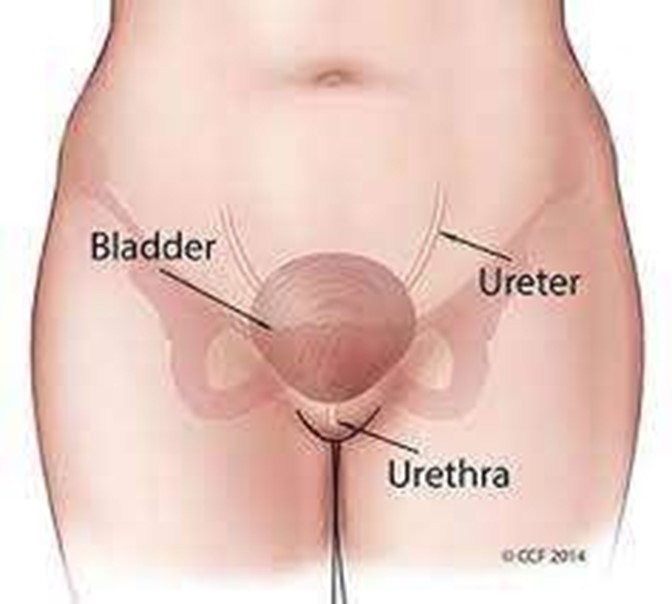
This is because a full bladder can interfere with the pelvic examination and cause discomfort to the client. The nurse should also instruct the client to avoid douching, using tampons, vaginal medications, sprays, powders, birth control foam, cream, or jelly for at least 24 hours before the exam.
Choice A is wrong because the client should be placed in a lithotomy position, not a prone position, for a pelvic examination.
Choice C is wrong because douching can alter the normal vaginal flora and pH, and increase the risk of infection.
Choice D is wrong because placing the client’s arms over their head can tighten the abdominal muscles and make the examination more difficult. The nurse should ask the client to place their arms at their sides or across their chest.
A nurse is reinforcing teaching with a client who requires a bladder-training program for urinary incontinence.
Which of the following instructions should the nurse include in the teaching?
A. “Record your urination times for 24 hours before beginning the program.”
Keeping a voiding diary can help assess patterns, but it is not the primary instruction when reinforcing an active bladder-training schedule.
B. “Drink 4 liters of fluid between 6:00 a.m. and 8:00 p.m.”
Drinking 4 liters of fluid is excessive and can worsen urinary frequency and urgency.
C. “Void every 2 hours while awake.”
Voiding every 2 hours while awake is a standard initial bladder-training strategy. It establishes a scheduled pattern and helps prevent episodes of incontinence, with intervals gradually increased as control improves.
D. “Eliminate caffeine from your diet.”
Eliminating caffeine helps reduce bladder irritation, but it is an adjunct lifestyle modification rather than the core bladder-training technique.
E. None
None
F. None
None
Full Explanation
A. Keeping a voiding diary can help assess patterns, but it is not the primary instruction when reinforcing an active bladder-training schedule.
B. Drinking 4 liters of fluid is excessive and can worsen urinary frequency and urgency.
C. Voiding every 2 hours while awake is a standard initial bladder-training strategy. It establishes a scheduled pattern and helps prevent episodes of incontinence, with intervals gradually increased as control improves.
D. Eliminating caffeine helps reduce bladder irritation, but it is an adjunct lifestyle modification rather than the core bladder-training technique.
A nurse is contributing to the plan of care for a newly admitted client who has bipolar disorder and is experiencing mania.
Which of the following interventions should the nurse recommend?
A. Offer the client fluids high in fiber and protein every hour.
Offer the client fluids high in fiber and protein every hour. This is because clients who have bipolar disorder and are experiencing mania are at risk of dehydration, malnutrition, and weight loss due to increased activity, poor intake, and impaired judgment. Fluids high in fiber and protein can help prevent constipation and promote satiety.
B. Monitor the client’s vital signs twice per day.
Choice B is wrong because monitoring the client’s vital signs twice per day is not enough for a client who has mania. The nurse should monitor the client’s vital signs more frequently, at least every 4 hours, to assess for signs of dehydration, infection, or cardiac complications.
C. Encourage the client to participate in group therapy activities each day.
Choice C is wrong because encouraging the client to participate in group therapy activities each day can increase the client’s stimulation and agitation. The nurse should provide a calming environment with fewer stimuli and solitary activities for a client who has mania.
D. Weigh the client three times per week.
Choice D is wrong because weighing the client three times per week is not sufficient for a client who has mania. The nurse should weigh the client daily to monitor for weight loss and fluid imbalance.
Full Explanation
Offer the client fluids high in fiber and protein every hour. This is because clients who have bipolar disorder and are experiencing mania are at risk of dehydration, malnutrition, and weight loss due to increased activity, poor intake, and impaired judgment. Fluids high in fiber and protein can help prevent constipation and promote satiety.
Choice B is wrong because monitoring the client’s vital signs twice per day is not enough for a client who has mania. The nurse should monitor the client’s vital signs more frequently, at least every 4 hours, to assess for signs of dehydration, infection, or cardiac complications.
Choice C is wrong because encouraging the client to participate in group therapy activities each day can increase the client’s stimulation and agitation. The nurse should provide a calming environment with fewer stimuli and solitary activities for a client who has mania.
Choice D is wrong because weighing the client three times per week is not sufficient for a client who has mania. The nurse should weigh the client daily to monitor for weight loss and fluid imbalance.