
Nursing practice questions with comprehensive rationales
NurseDive Free Nursing Practice Question
A client arrives to the clinic after spending the day at the beach. She reports extreme pain and the nurse observes red skin on her face and upper body. There are no blisters present. What degree of burn has the client suffered?
A. First degree
Reason: This is correct because first degree burns are superficial burns that affect only the outer layer of the skin, called the epidermis. First degree burns cause redness, pain, and mild swelling, but no blisters or scarring. They usually heal within a week.
B. Second degree
Reason: This is incorrect because second degree burns are partial thickness burns that affect both the epidermis and the underlying layer of the skin, called the dermis. Second degree burns cause blisters, severe pain, and possible infection. They may take several weeks to heal and may leave scars.
C. Third degree
Reason: This is incorrect because third degree burns are full thickness burns that destroy all layers of the skin and may damage the underlying tissues, such as muscles, nerves, or bones. Third degree burns cause charred or white skin, numbness, and shock. They require skin grafting and may cause permanent disability or death.
D. This burn cannot be classified
Reason: This is incorrect because this burn can be classified according to the depth and extent of the skin damage. The classification of burns helps to determine the appropriate treatment and prognosis for the client.
This question is an excerpt from Nurse Dive's nursing test bank - ATI Med Surg Proctored Exam 4. Take the full exam now
Full Explanation
Choice A Reason: This is correct because first degree burns are superficial burns that affect only the outer layer of the skin, called the epidermis. First degree burns cause redness, pain, and mild swelling, but no blisters or scarring. They usually heal within a week.
Choice B Reason: This is incorrect because second degree burns are partial thickness burns that affect both the epidermis and the underlying layer of the skin, called the dermis. Second degree burns cause blisters, severe pain, and possible infection. They may take several weeks to heal and may leave scars.
Choice C Reason: This is incorrect because third degree burns are full thickness burns that destroy all layers of the skin and may damage the underlying tissues, such as muscles, nerves, or bones. Third degree burns cause charred or white skin, numbness, and shock. They require skin grafting and may cause permanent disability or death.
Choice D Reason: This is incorrect because this burn can be classified according to the depth and extent of the skin damage. The classification of burns helps to determine the appropriate treatment and prognosis for the client.
Similar Questions
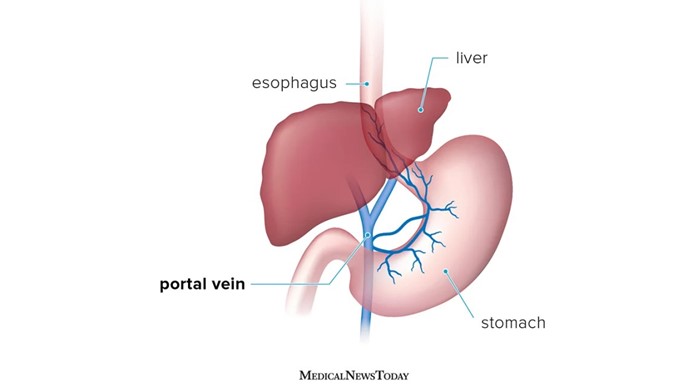
A nurse caring for a client with hepatitis is providing education to the client about portal hypertension. Which of the following will the nurse include in the teaching?
A. "Increased pressure from portal hypertension contributes to the abdominal swelling."
reason: This is the correct answer because portal hypertension means that there is high blood pressure in the portal vein, which carries blood from the digestive organs to the liver. When the liver is damaged by hepatitis, it becomes scarred and obstructs the blood flow, causing increased pressure in the portal vein. This leads to fluid accumulation in the abdomen, called ascites, which causes abdominal swelling.
B. "Portal hypertension is caused by the heart overworking."
reason: This is incorrect because portal hypertension is not caused by the heart overworking but by liver damage. The heart does not pump blood into the portal vein, but into the hepatic artery, which supplies oxygenated blood to the liver.
C. "Portal hypertension develops when the cirrhosis begins to resolve."
reason: This is incorrect because portal hypertension does not develop when cirrhosis begins to resolve, but when it progresses. Cirrhosis is a chronic condition that causes irreversible scarring of the liver tissue, which worsens over time and increases portal hypertension.
D. "Eating high sodium foods and a stressful lifestyle contribute to portal hypertension."
reason: This is incorrect because eating high-sodium foods and a stressful lifestyle do not cause portal hypertension, but they can aggravate it. High-sodium foods can increase fluid retention and worsen ascites, while stress can increase blood pressure and worsen bleeding complications. The nurse should advise the client to limit sodium intake and manage stress levels.
Full Explanation
Choice A reason: This is the correct answer because portal hypertension means that there is high blood pressure in the portal vein, which carries blood from the digestive organs to the liver. When the liver is damaged by hepatitis, it becomes scarred and obstructs the blood flow, causing increased pressure in the portal vein. This leads to fluid accumulation in the abdomen, called ascites, which causes abdominal swelling.
Choice B reason: This is incorrect because portal hypertension is not caused by the heart overworking but by liver damage. The heart does not pump blood into the portal vein, but into the hepatic artery, which supplies oxygenated blood to the liver.
Choice C reason: This is incorrect because portal hypertension does not develop when cirrhosis begins to resolve, but when it progresses. Cirrhosis is a chronic condition that causes irreversible scarring of the liver tissue, which worsens over time and increases portal hypertension.
Choice D reason: This is incorrect because eating high-sodium foods and a stressful lifestyle do not cause portal hypertension, but they can aggravate it. High-sodium foods can increase fluid retention and worsen ascites, while stress can increase blood pressure and worsen bleeding complications. The nurse should advise the client to limit sodium intake and manage stress levels.
A nurse is caring for a client diagnosed with an inner ear infection. Which of the following manifestations will the nurse expect the client to report?
A. Inability to recognize any words
Reason: This is incorrect because inability to recognize any words may indicate a problem with the auditory cortex, which is the part of the brain that processes sound, not the inner ear. The inner ear consists of the cochlea, which converts sound waves into nerve impulses, and the vestibular system, which helps with balance and orientation.
B. Loss of balance
Reason: This is correct because loss of balance is a common symptom of an inner ear infection. An inner ear infection can cause inflammation and fluid buildup in the vestibular system, which can disrupt the sense of equilibrium and cause vertigo, dizziness, or nausea.
C. Twitching of the cheek
Reason: This is incorrect because twitching of the cheek may indicate a problem with the facial nerve, which controls the muscles of facial expression, not the inner ear. The facial nerve runs close to the inner ear, but it is not part of it.
D. Lack of air sound
Reason: This is incorrect because lack of air sound may indicate a problem with the outer or middle ear, which transmit sound waves to the inner ear, not the inner ear itself. The outer ear consists of the pinna and the ear canal, and the middle ear consists of the eardrum and the ossicles.
Full Explanation
Choice A Reason: This is incorrect because inability to recognize any words may indicate a problem with the auditory cortex, which is the part of the brain that processes sound, not the inner ear. The inner ear consists of the cochlea, which converts sound waves into nerve impulses, and the vestibular system, which helps with balance and orientation.
Choice B Reason: This is correct because loss of balance is a common symptom of an inner ear infection. An inner ear infection can cause inflammation and fluid buildup in the vestibular system, which can disrupt the sense of equilibrium and cause vertigo, dizziness, or nausea.
Choice C Reason: This is incorrect because twitching of the cheek may indicate a problem with the facial nerve, which controls the muscles of facial expression, not the inner ear. The facial nerve runs close to the inner ear, but it is not part of it.
Choice D Reason: This is incorrect because lack of air sound may indicate a problem with the outer or middle ear, which transmit sound waves to the inner ear, not the inner ear itself. The outer ear consists of the pinna and the ear canal, and the middle ear consists of the eardrum and the ossicles.
A client diagnosed with cholecystitis reports right upper quadrant pain that radiates to the right shoulder. Which of the following interventions is the priority for the nurse to implement?
A. Administer IV ketorolac.
reason: This is incorrect because administering IV ketorolac is not a priority intervention for a client with cholecystitis. Ketorolac is a nonsteroidal anti-inflammatory drug (NSAID) that can cause gastrointestinal bleeding and kidney damage, which are contraindicated in cholecystitis. The nurse should administer analgesics as prescribed, but only after assessing the pain level and severity.
B. Report findings to healthcare provider.
reason: This is incorrect because reporting findings to healthcare provider is not a priority intervention for a client with cholecystitis. The nurse should communicate with the healthcare provider about the client's condition and treatment plan, but only after assessing the pain level and other vital signs.
C. Offer a high-calorie, high-fat meal.
reason: This is incorrect because offering a high-calorie, high-fat meal is not an intervention for a client with cholecystitis, but a potential trigger. High-fat foods can stimulate the gallbladder to contract and cause more pain and inflammation. The nurse should advise the client to avoid fatty foods and follow a low-fat diet.
D. Assess the pain level.
reason: This is the correct answer because assessing the pain level is a priority intervention for a client with cholecystitis. Pain is the most common symptom of cholecystitis and can indicate the severity and complications of the condition. The nurse should assess the pain level using a numeric or descriptive scale, and monitor for changes in location, intensity, and duration.
Full Explanation
Choice A reason: This is incorrect because administering IV ketorolac is not a priority intervention for a client with cholecystitis. Ketorolac is a nonsteroidal anti-inflammatory drug (NSAID) that can cause gastrointestinal bleeding and kidney damage, which are contraindicated in cholecystitis. The nurse should administer analgesics as prescribed, but only after assessing the pain level and severity.
Choice B reason: This is incorrect because reporting findings to healthcare provider is not a priority intervention for a client with cholecystitis. The nurse should communicate with the healthcare provider about the client's condition and treatment plan, but only after assessing the pain level and other vital signs.
Choice C reason: This is incorrect because offering a high-calorie, high-fat meal is not an intervention for a client with cholecystitis, but a potential trigger. High-fat foods can stimulate the gallbladder to contract and cause more pain and inflammation. The nurse should advise the client to avoid fatty foods and follow a low-fat diet.
Choice D reason: This is the correct answer because assessing the pain level is a priority intervention for a client with cholecystitis. Pain is the most common symptom of cholecystitis and can indicate the severity and complications of the condition. The nurse should assess the pain level using a numeric or descriptive scale, and monitor for changes in location, intensity, and duration.