
Nursing practice questions with comprehensive rationales
NurseDive Free Nursing Practice Question
A client has been prescribed raloxifene. As the nurse, you know that raloxifene is used to treat:.
A. Migraines.
Raloxifene is not used to treat migraines. It is a selective estrogen receptor modulator (SERM) that primarily acts on bone tissues, estrogen receptors, and has anti-estrogenic effects in the breast, which may reduce the risk of breast cancer.
B. Hypertension.
Raloxifene is not used to treat hypertension (high blood pressure) It is primarily indicated for the prevention and treatment of osteoporosis in postmenopausal women.
C. Osteoporosis.
This is the correct choice. Raloxifene is indicated for the treatment and prevention of osteoporosis in postmenopausal women. It helps increase bone density and reduces the risk of fractures associated with osteoporosis.
D. Heart disease.
Raloxifene is not used to treat heart disease. While it may have some cardiovascular benefits due to its effects on cholesterol levels, it is not a primary medication for heart disease management.
This question is an excerpt from Nurse Dive's nursing test bank - ATI Maternal Newborn Proctored Exam. Take the full exam now
Full Explanation
Choice A rationale:
Raloxifene is not used to treat migraines. It is a selective estrogen receptor modulator (SERM) that primarily acts on bone tissues, estrogen receptors, and has anti-estrogenic effects in the breast, which may reduce the risk of breast cancer.
Choice B rationale:
Raloxifene is not used to treat hypertension (high blood pressure) It is primarily indicated for the prevention and treatment of osteoporosis in postmenopausal women.
Choice C rationale:
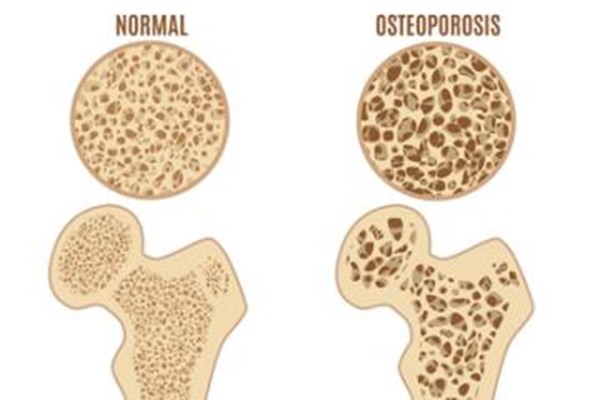
This is the correct choice. Raloxifene is indicated for the treatment and prevention of osteoporosis in postmenopausal women. It helps increase bone density and reduces the risk of fractures associated with osteoporosis.
Choice D rationale:
Raloxifene is not used to treat heart disease. While it may have some cardiovascular benefits due to its effects on cholesterol levels, it is not a primary medication for heart disease management.
Similar Questions
A nurse is assessing a client who is in active labor and notes that the presenting part is at 0 station. Which of the following is the correct interpretation of this clinical finding?
A. The fetal head is in the left occiput posterior position.
The clinical finding of 0 station does not provide information about the fetal head's position in the left occiput posterior position. Station refers to the level of the presenting part in relation to the ischial spines, not the position.
B. The largest fetal diameter has passed through the pelvic outlet.
The clinical finding of 0 station does not indicate that the largest fetal diameter has passed through the pelvic outlet. The station only tells us the level of the presenting part and does not provide information about the diameter passing through the pelvic outlet.
C. The posterior fontanel is palpable.
The clinical finding of 0 station does not directly involve the palpability of the posterior fontanel. Station is determined based on the level of the presenting part in the birth canal.
D. The lowermost portion of the fetus is at the level of the ischial spines.
This is the correct interpretation of the clinical finding. 0 station means that the presenting part (usually the baby's head) is at the level of the ischial spines, which serves as a reference point during labor. As labor progresses and the baby moves further down the birth canal, the station becomes more negative (e.g., -1, -2) until delivery occurs.
Full Explanation
Choice A rationale:
The clinical finding of 0 station does not provide information about the fetal head's position in the left occiput posterior position. Station refers to the level of the presenting part in relation to the ischial spines, not the position.
Choice B rationale:
The clinical finding of 0 station does not indicate that the largest fetal diameter has passed through the pelvic outlet. The station only tells us the level of the presenting part and does not provide information about the diameter passing through the pelvic outlet.
Choice C rationale:
The clinical finding of 0 station does not directly involve the palpability of the posterior fontanel. Station is determined based on the level of the presenting part in the birth canal.
Choice D rationale:
This is the correct interpretation of the clinical finding. 0 station means that the presenting part (usually the baby's head) is at the level of the ischial spines, which serves as a reference point during labor. As labor progresses and the baby moves further down the birth canal, the station becomes more negative (e.g., -1, -2) until delivery occurs.
A nurse is caring for a client who reports unrelieved episiotomy pain 8 hr following a vaginal birth. Which of the following actions should the nurse take?
A. Apply an ice pack to the affected area.
Apply an ice pack to the affected area. Ice packs are recommended during the first 24 hours after birth to decrease swelling and help with pain. Applying an ice pack to the episiotomy site helps reduce swelling and provides pain relief. This is the standard care within the first 24 hours postpartum.
B. Offer a warm sitz bath.
A warm sitz bath is generally recommended after the first 24 hours following birth. It is not the best immediate action for unrelieved pain shortly after delivery.
C. Provide a squeeze bottle of antiseptic solution.
While maintaining cleanliness with a squeeze bottle of antiseptic solution is important for preventing infection, it does not provide the immediate pain relief needed for unrelieved episiotomy pain.
D. Place a hot pack to the perineum.
Heat application, such as placing a hot pack, is not advised within the first 24 hours postpartum because it can increase the risk of swelling and bleeding.
Full Explanation
The correct answer is A. Apply an ice pack to the affected area. Ice packs are recommended during the first 24 hours after birth to decrease swelling and help with pain.
Choice A reason: Applying an ice pack to the episiotomy site helps reduce swelling and provides pain relief. This is the standard care within the first 24 hours postpartum.
Choice B reason: A warm sitz bath is generally recommended after the first 24 hours following birth. It is not the best immediate action for unrelieved pain shortly after delivery.
Choice C reason: While maintaining cleanliness with a squeeze bottle of antiseptic solution is important for preventing infection, it does not provide the immediate pain relief needed for unrelieved episiotomy pain.
Choice D reason: Heat application, such as placing a hot pack, is not advised within the first 24 hours postpartum because it can increase the risk of swelling and bleeding.
Which of the following would increase a client's risk of ovarian cancer?
A. Multiparity.
Multiparity, or having given birth to multiple children, is associated with a decreased risk of ovarian cancer, not an increased risk. The protective effect may be due to the repeated ovulatory cycles that occur during pregnancy.
B. Endometriosis.
Endometriosis is a condition where endometrial tissue grows outside the uterus. It is associated with an increased risk of ovarian cancer. The exact link is not fully understood, but it is believed that the inflammatory and hormonal changes in endometriosis may contribute to cancer development.
C. Under 40 years of age.
Being under 40 years of age does not increase the risk of ovarian cancer. Advanced age is a known risk factor for ovarian cancer, with the highest incidence occurring in women over 60.
D. Use of contraceptive medications.
Use of contraceptive medications, particularly oral contraceptives, has been shown to reduce the risk of ovarian cancer. These medications suppress ovulation and decrease the exposure of the ovaries to potential carcinogens.
Full Explanation
Choice A rationale:
Multiparity, or having given birth to multiple children, is associated with a decreased risk of ovarian cancer, not an increased risk. The protective effect may be due to the repeated ovulatory cycles that occur during pregnancy.
Choice B rationale:
Endometriosis is a condition where endometrial tissue grows outside the uterus. It is associated with an increased risk of ovarian cancer. The exact link is not fully understood, but it is believed that the inflammatory and hormonal changes in endometriosis may contribute to cancer development.
Choice C rationale:
Being under 40 years of age does not increase the risk of ovarian cancer. Advanced age is a known risk factor for ovarian cancer, with the highest incidence occurring in women over 60.
Choice D rationale:
Use of contraceptive medications, particularly oral contraceptives, has been shown to reduce the risk of ovarian cancer. These medications suppress ovulation and decrease the exposure of the ovaries to potential carcinogens.