
Nursing practice questions with comprehensive rationales
NurseDive Free Nursing Practice Question
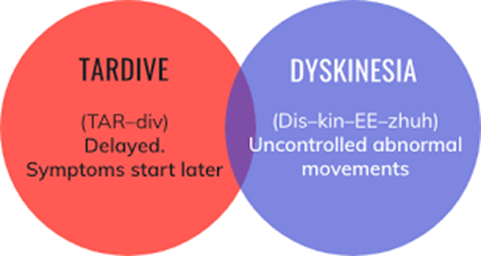
A client has been taking an antipsychotic medication for several years. It is of vital importance for the nurse to observe the client for tardive dyskinesia. Signs and symptoms of tardive dyskinesia include:
A. Absence of physical and mental movement
absence of physical and mental movement refers to catatonia that can occur in severe depression or schizophrenia.
B. Loss of ability to perform voluntary movements
akinesia refers to the absence of voluntary movement and can be seen in individuals with Parkinson’s disease or as a side effect of some antipsychotic medications.
C. Repetitious, involuntary muscle movements in the face and extremities
these are signs and symptoms of tardive dyskinesia which is a serious side effect of antipsychotic therapy resulting from the damage of nerve cells controlling movement and is irreversible especially when detected late.
D. Rigidity in the muscles that control an individual's gait, posture, and eye movements
this refers to dystonia which is a condition characterized by abnormal muscle tone resulting in painful muscle spasms and abnormal postures. This is a side effect of some antipsychotic medications.
This question is an excerpt from Nurse Dive's nursing test bank - ATI ns 130 Exam Psychosocial Proctored Exam. Take the full exam now
Full Explanation
Choice A rationale: absence of physical and mental movement refers to catatonia that can occur in severe depression or schizophrenia.
Choice B rationale: akinesia refers to the absence of voluntary movement and can be seen in individuals with Parkinson’s disease or as a side effect of some antipsychotic medications.
Choice C rationale: these are signs and symptoms of tardive dyskinesia which is a serious side effect of antipsychotic therapy resulting from the damage of nerve cells controlling movement and is irreversible especially when detected late.
Choice D rationale: this refers to dystonia which is a condition characterized by abnormal muscle tone resulting in painful muscle spasms and abnormal postures. This is a side effect of some antipsychotic medications.
Similar Questions
In communicating with the psychiatric patient, which nurse responses could block effective communication with a client? (Select all that apply)
A. "Don't stress over it. Everything will turn out fine.”
this response is dismissive of the patient’s feelings and concerns and does not acknowledge the patient’s reality and perspective. It implies that the patient is overreacting and may make the client feel judged and ignored.
B. "You should talk to your husband and not keep things inside.”
this response is intrusive and prescriptive since the patient’s reasons and preferences are not considered. it assumes that the patient has a husband and that they have a good relationship together which may not be the case.
C. "Why did you do that?"
this response is accusatory and confrontational while implying that the patient’s behavior was wrong and unacceptable. Furthermore, it focuses on the past rather than the present or the future which is relevant in this case. It also makes the patient feel guilty and ashamed which may impair their ability to open up hence ineffective care.
D. "It must be difficult for you to feel that way.
This response is empathic and validating. It reflects the patient's feelings and shows understanding and compassion. It does not judge or minimize the patient's emotions, and it invites the patient to share more if they wish. This response could make the patient feel heard, supported, and respected.
E. “Tell me more about what you are feeling”
this response encourages the patient to open up and express their thoughts and feelings. This makes the patient feel valued and empowered thus allowing them to share their feelings at their own pace.
Full Explanation
Choice A rationale: this response is dismissive of the patient’s feelings and concerns and does not acknowledge the patient’s reality and perspective. It implies that the patient is overreacting and may make the client feel judged and ignored.
Choice B rationale: this response is intrusive and prescriptive since the patient’s reasons and preferences are not considered. it assumes that the patient has a husband and that they have a good relationship together which may not be the case.
Choice C rationale: this response is accusatory and confrontational while implying that the patient’s behavior was wrong and unacceptable. Furthermore, it focuses on the past rather than the present or the future which is relevant in this case. It also makes the patient feel guilty and ashamed which may impair their ability to open up hence ineffective care.
Choice D rationale: This response is empathic and validating. It reflects the patient's feelings and shows understanding and compassion. It does not judge or minimize the patient's emotions, and it invites the patient to share more if they wish. This response could make the patient feel heard, supported, and respected.
Choice E rationale: this response encourages the patient to open up and express their thoughts and feelings. This makes the patient feel valued and empowered thus allowing them to share their feelings at their own pace.
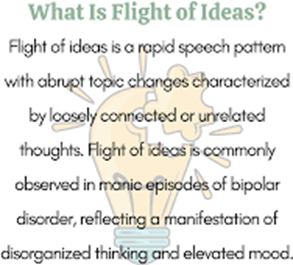
During the mental status examination, the nurse observes that the client rapidly changes from one idea to another related thought. Which disordered thinking process is the client displaying?
A. Ideas of reference
this is a type of delusion involving the misinterpretation of random events as having personal significance or reference.
B. Flight of ideas
flight of ideas refers to a disordered thinking process involving rapid shifts from one topic to another. The client’s speech is often incoherent and difficult to follow.
C. Confabulation
this is a type of memory distortion involving the fabrication of stories or details to fill the gaps in an individual’s memory. Usually occurs in conditions such as dementia, substance abuse, and brain damage.
D. Perseveration
this refers to the repetition of the same word, phrase, or action over and over without being able to stop or switch to something else. Occurs in conditions such as schizophrenia, brain injury, or a stroke.
Full Explanation
Choice A rationale: this is a type of delusion involving the misinterpretation of random events as having personal significance or reference.
Choice B rationale: flight of ideas refers to a disordered thinking process involving rapid shifts from one topic to another. The client’s speech is often incoherent and difficult to follow.
Choice C rationale: this is a type of memory distortion involving the fabrication of stories or details to fill the gaps in an individual’s memory. Usually occurs in conditions such as dementia, substance abuse, and brain damage.
Choice D rationale: this refers to the repetition of the same word, phrase, or action over and over without being able to stop or switch to something else. Occurs in conditions such as schizophrenia, brain injury, or a stroke.
The nurse is talking with the client in an activity room where others are present. The client becomes tearful when talking about his children at home. What is the nurse's best action?
A. Distract the client by encouraging him to join the group activity
This is inappropriate since it does not address the client’s feelings about his/her children and may make the client feel that their feelings are not important and have been disregarded.
B. Ask the client to talk more about his children
this is inappropriate since the client’s family issues will be exposed if they talk about them in a room full of other patients hence this will potentially increase his distress.
C. Take the client into a private area to continue the conversation
taking the client to a private room respects their right to privacy and dignity. Furthermore, it is a form of empathy and would encourage the client to open up with ease to the nurse.
D. Ask the client why he is crying
asking the client why he is crying sounds judgmental and accusatory hence this may prevent the client from opening up to the nurse concerning his children.
Full Explanation
Choice A rationale: This is inappropriate since it does not address the client’s feelings about his/her children and may make the client feel that their feelings are not important and have been disregarded.
Choice B rationale: this is inappropriate since the client’s family issues will be exposed if they talk about them in a room full of other patients hence this will potentially increase his distress.
Choice C rationale: taking the client to a private room respects their right to privacy and dignity. Furthermore, it is a form of empathy and would encourage the client to open up with ease to the nurse.
Choice D rationale: asking the client why he is crying sounds judgmental and accusatory hence this may prevent the client from opening up to the nurse concerning his children.