
Nursing practice questions with comprehensive rationales
NurseDive Free Nursing Practice Question
During the mental status examination, the nurse observes that the client rapidly changes from one idea to another related thought. Which disordered thinking process is the client displaying?
A. Ideas of reference
this is a type of delusion involving the misinterpretation of random events as having personal significance or reference.
B. Flight of ideas
flight of ideas refers to a disordered thinking process involving rapid shifts from one topic to another. The client’s speech is often incoherent and difficult to follow.
C. Confabulation
this is a type of memory distortion involving the fabrication of stories or details to fill the gaps in an individual’s memory. Usually occurs in conditions such as dementia, substance abuse, and brain damage.
D. Perseveration
this refers to the repetition of the same word, phrase, or action over and over without being able to stop or switch to something else. Occurs in conditions such as schizophrenia, brain injury, or a stroke.
This question is an excerpt from Nurse Dive's nursing test bank - ATI ns 130 Exam Psychosocial Proctored Exam. Take the full exam now
Full Explanation
Choice A rationale: this is a type of delusion involving the misinterpretation of random events as having personal significance or reference.
Choice B rationale: flight of ideas refers to a disordered thinking process involving rapid shifts from one topic to another. The client’s speech is often incoherent and difficult to follow.
Choice C rationale: this is a type of memory distortion involving the fabrication of stories or details to fill the gaps in an individual’s memory. Usually occurs in conditions such as dementia, substance abuse, and brain damage.
Choice D rationale: this refers to the repetition of the same word, phrase, or action over and over without being able to stop or switch to something else. Occurs in conditions such as schizophrenia, brain injury, or a stroke.

Similar Questions
The nurse is talking with the client in an activity room where others are present. The client becomes tearful when talking about his children at home. What is the nurse's best action?
A. Distract the client by encouraging him to join the group activity
This is inappropriate since it does not address the client’s feelings about his/her children and may make the client feel that their feelings are not important and have been disregarded.
B. Ask the client to talk more about his children
this is inappropriate since the client’s family issues will be exposed if they talk about them in a room full of other patients hence this will potentially increase his distress.
C. Take the client into a private area to continue the conversation
taking the client to a private room respects their right to privacy and dignity. Furthermore, it is a form of empathy and would encourage the client to open up with ease to the nurse.
D. Ask the client why he is crying
asking the client why he is crying sounds judgmental and accusatory hence this may prevent the client from opening up to the nurse concerning his children.
Full Explanation
Choice A rationale: This is inappropriate since it does not address the client’s feelings about his/her children and may make the client feel that their feelings are not important and have been disregarded.
Choice B rationale: this is inappropriate since the client’s family issues will be exposed if they talk about them in a room full of other patients hence this will potentially increase his distress.
Choice C rationale: taking the client to a private room respects their right to privacy and dignity. Furthermore, it is a form of empathy and would encourage the client to open up with ease to the nurse.
Choice D rationale: asking the client why he is crying sounds judgmental and accusatory hence this may prevent the client from opening up to the nurse concerning his children.
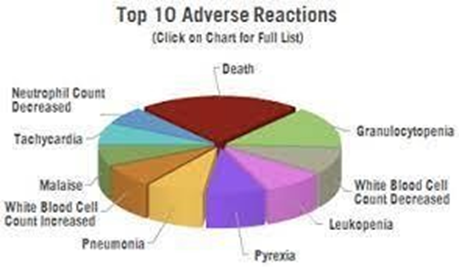
The nurse should monitor which vital signs in the client who is taking Clozaril (Clozapine).
A. Blood Pressure
Clozapine has no effect on a patient’s blood pressure levels. However, blood pressure monitoring for all patients is crucial but the temperature is more relevant for a patient on clozapine.
B. Respirations
Clozapine has no effect on an individual’s respiratory rate hence in this case it is not the priority vital sign to monitor.
C. Pain
Clozapine use does not cause pain. Furthermore, pain is not a vital sign.
D. Temperature
One of the side effects of clozapine is agranulocytosis hence this predisposes the patient to infections which may manifest with fever. Therefore, it is important to monitor the patient’s temperature while on treatment.
Full Explanation
Choice A rationale: Clozapine has no effect on a patient’s blood pressure levels. However, blood pressure monitoring for all patients is crucial but the temperature is more relevant for a patient on clozapine.
Choice B rationale: Clozapine has no effect on an individual’s respiratory rate hence in this case it is not the priority vital sign to monitor.
Choice C rationale: Clozapine use does not cause pain. Furthermore, pain is not a vital sign.
Choice D rationale: One of the side effects of clozapine is agranulocytosis hence this predisposes the patient to infections which may manifest with fever. Therefore, it is important to monitor the patient’s temperature while on treatment.
Which is an accepted criterion for inpatient admission to a mental health facility?
A. The client likes the security and comfort of the mental health facility
this is incorrect since it is not sufficient by itself to warrant an inpatient admission hence the client can be managed as an outpatient.
B. The client feels that he is no longer able to cope with life stressors or maintain control of his behavior
this is one of the criteria for inpatient admission to a mental health facility since with the inability to cope with life stressors or control his behaviors the patient is at risk of harming either themselves or others. Moreover, this criterion reflects the principle of beneficence, meaning that the best is being done for the client's well-being and safety.
C. The client suffers from depression.
this is incorrect since depression is not sufficient by itself to warrant an inpatient admission hence the client can be managed as an outpatient.
D. A client's behavior becomes unusual
this is incorrect since it is not sufficient by itself to warrant an inpatient admission hence the client can be managed as an outpatient.
Full Explanation
Choice A rationale: this is incorrect since it is not sufficient by itself to warrant an inpatient admission hence the client can be managed as an outpatient.
Choice B rationale: this is one of the criteria for inpatient admission to a mental health facility since with the inability to cope with life stressors or control his behaviors the patient is at risk of harming either themselves or others. Moreover, this criterion reflects the principle of beneficence, meaning that the best is being done for the client's well-being and safety.
Choice C rationale: this is incorrect since depression is not sufficient by itself to warrant an inpatient admission hence the client can be managed as an outpatient.
Choice D rationale: this is incorrect since it is not sufficient by itself to warrant an inpatient admission hence the client can be managed as an outpatient.