
Nursing practice questions with comprehensive rationales
NurseDive Free Nursing Practice Question
A client is admitted with bacterial meningitis. Which nursing intervention is the highest priority for this client?
A. Strict monitoring of hourly intake and output
Strict monitoring of hourly intake and output is important for managing fluid balance and detecting potential complications such as dehydration or fluid overload1. However, it is not the highest priority in the acute phase of bacterial meningitis. The primary concern is to monitor for signs of increased intracranial pressure (ICP) and neurological deterioration.
B. Managing pain through drug and non-drug methods
Managing pain through drug and non-drug methods is essential for patient comfort and overall well-being. Pain management can help reduce stress and improve the patient’s ability to rest and recover. However, it is not the highest priority compared to monitoring neurological status, which can provide early indications of complications such as increased ICP or seizures.
C. Assessing neurological status at least every 2 to 4 hours
Assessing neurological status at least every 2 to 4 hours is the highest priority for a client with bacterial meningitis. This frequent assessment helps detect early signs of neurological deterioration, increased ICP, and other complications. Early detection and intervention are crucial in preventing severe outcomes and improving the patient’s prognosis.
D. Decreasing environmental stimuli
Decreasing environmental stimuli is important to reduce stress and prevent exacerbation of symptoms such as headache and photophobia. While this intervention is beneficial, it is not as critical as frequent neurological assessments in the acute management of bacterial meningitis.
This question is an excerpt from Nurse Dive's nursing test bank - Final Med Surg Comprehensive Proctored Exam (Brooklyn University). Take the full exam now
Full Explanation
Choice A reason:
Strict monitoring of hourly intake and output is important for managing fluid balance and detecting potential complications such as dehydration or fluid overload1. However, it is not the highest priority in the acute phase of bacterial meningitis. The primary concern is to monitor for signs of increased intracranial pressure (ICP) and neurological deterioration.
Choice B reason:
Managing pain through drug and non-drug methods is essential for patient comfort and overall well-being. Pain management can help reduce stress and improve the patient’s ability to rest and recover. However, it is not the highest priority compared to monitoring neurological status, which can provide early indications of complications such as increased ICP or seizures.
Choice C reason:
Assessing neurological status at least every 2 to 4 hours is the highest priority for a client with bacterial meningitis. This frequent assessment helps detect early signs of neurological deterioration, increased ICP, and other complications. Early detection and intervention are crucial in preventing severe outcomes and improving the patient’s prognosis.
Choice D reason:
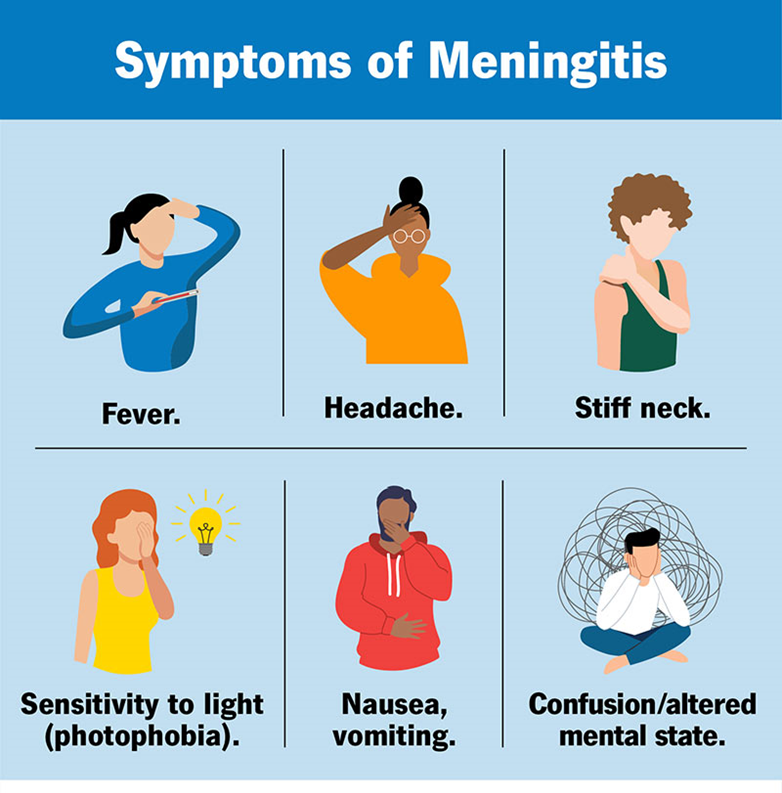
Decreasing environmental stimuli is important to reduce stress and prevent exacerbation of symptoms such as headache and photophobia. While this intervention is beneficial, it is not as critical as frequent neurological assessments in the acute management of bacterial meningitis.
Similar Questions
You are caring for a client in the ED with B/P 254/139 mm Hg. Which of the following actions would you take first?
A. Elevate the head of the client’s bed
Elevating the head of the client’s bed can help reduce blood pressure slightly by promoting venous return and decreasing intracranial pressure. However, this action alone is not sufficient to address the severe hypertension (254/139 mm Hg) the client is experiencing. Immediate medical intervention is required to prevent complications such as stroke, heart attack, or organ damage.
B. Contact the Rapid Response Team
Contacting the Rapid Response Team is the highest priority action. The Rapid Response Team is trained to handle critical situations and can provide immediate interventions to stabilize the client’s condition. Severe hypertension at this level requires urgent medical attention to prevent life-threatening complications. The team can administer medications to lower blood pressure quickly and monitor the client closely.
C. Tell the client to report vision changes
Telling the client to report vision changes is important because vision changes can indicate hypertensive retinopathy or increased intracranial pressure. However, this action is not the immediate priority. The client’s blood pressure needs to be controlled urgently to prevent further complications.
D. Insert a peripheral IV
Inserting a peripheral IV is necessary for administering medications and fluids. While this is an important step, it should follow the immediate action of contacting the Rapid Response Team. The team can then use the IV access to administer antihypertensive medications promptly.
E. Initiate seizure precautions
Initiating seizure precautions is important because severe hypertension can lead to seizures. However, this action is not the first priority. The primary focus should be on stabilizing the client’s blood pressure through immediate medical intervention.
Full Explanation
Choice A reason:
Elevating the head of the client’s bed can help reduce blood pressure slightly by promoting venous return and decreasing intracranial pressure. However, this action alone is not sufficient to address the severe hypertension (254/139 mm Hg) the client is experiencing. Immediate medical intervention is required to prevent complications such as stroke, heart attack, or organ damage.
Choice B reason:
Contacting the Rapid Response Team is the highest priority action. The Rapid Response Team is trained to handle critical situations and can provide immediate interventions to stabilize the client’s condition. Severe hypertension at this level requires urgent medical attention to prevent life-threatening complications. The team can administer medications to lower blood pressure quickly and monitor the client closely.
Choice C reason:
Telling the client to report vision changes is important because vision changes can indicate hypertensive retinopathy or increased intracranial pressure. However, this action is not the immediate priority. The client’s blood pressure needs to be controlled urgently to prevent further complications.
Choice D reason:
Inserting a peripheral IV is necessary for administering medications and fluids. While this is an important step, it should follow the immediate action of contacting the Rapid Response Team. The team can then use the IV access to administer antihypertensive medications promptly.
Choice E reason:
Initiating seizure precautions is important because severe hypertension can lead to seizures. However, this action is not the first priority. The primary focus should be on stabilizing the client’s blood pressure through immediate medical intervention.
A postoperative client following a thyroidectomy suddenly develops difficulty breathing, stridor, and an increase in swelling of the anterior neck area. What should the nurse do first?
A. Activate the hospital’s emergency or rapid response system.
: Activating the hospital’s emergency or rapid response system is the most appropriate first action in this scenario. The client is exhibiting signs of a potentially life-threatening condition, such as airway obstruction or severe swelling that could compromise breathing. Immediate intervention by a rapid response team can provide the necessary advanced airway management and other critical care measures to stabilize the patient. This action prioritizes the client’s airway, breathing, and circulation, which are the fundamental aspects of emergency care.
B. Place a heart monitor on the client and observe for dysrhythmias.
: Placing a heart monitor on the client and observing for dysrhythmias is important but not the immediate priority in this situation. While monitoring the heart is crucial, the client’s airway and breathing issues take precedence. Addressing the airway obstruction and ensuring adequate breathing should be the first step before focusing on cardiac monitoring.
C. Ask the charge nurse to come see the client immediately.
le action, but it may delay the necessary urgent intervention. The charge nurse may not have the advanced skills or equipment required to manage a severe airway obstruction. Activating the rapid response system ensures that a team of healthcare professionals with the appropriate expertise and equipment can respond quickly.
D. Check the client’s blood pressure and heart rate.
: Checking the client’s blood pressure and heart rate is a standard nursing assessment, but it is not the immediate priority in this emergency situation. The client’s difficulty breathing and stridor indicate a potential airway obstruction, which requires immediate attention. Ensuring the airway is clear and the client can breathe is more critical than checking vital signs at this moment.
E. Provide a calm and assuring environment for the client.
: Providing a calm and assuring environment for the client is important for reducing anxiety and stress, but it does not address the immediate life-threatening issue. While maintaining a calm environment is beneficial, the nurse must first ensure that the client’s airway is secure and that they can breathe adequately. This can only be achieved by activating the rapid response system.
Full Explanation
Choice A Reason:
Activating the hospital’s emergency or rapid response system is the most appropriate first action in this scenario. The client is exhibiting signs of a potentially life-threatening condition, such as airway obstruction or severe swelling that could compromise breathing. Immediate intervention by a rapid response team can provide the necessary advanced airway management and other critical care measures to stabilize the patient. This action prioritizes the client’s airway, breathing, and circulation, which are the fundamental aspects of emergency care.
Choice B Reason:
Placing a heart monitor on the client and observing for dysrhythmias is important but not the immediate priority in this situation. While monitoring the heart is crucial, the client’s airway and breathing issues take precedence. Addressing the airway obstruction and ensuring adequate breathing should be the first step before focusing on cardiac monitoring.
Choice C Reason:
Asking the charge nurse to come see the client immediately is a reasonable action, but it may delay the necessary urgent intervention. The charge nurse may not have the advanced skills or equipment required to manage a severe airway obstruction. Activating the rapid response system ensures that a team of healthcare professionals with the appropriate expertise and equipment can respond quickly.
Choice D Reason:
Checking the client’s blood pressure and heart rate is a standard nursing assessment, but it is not the immediate priority in this emergency situation. The client’s difficulty breathing and stridor indicate a potential airway obstruction, which requires immediate attention. Ensuring the airway is clear and the client can breathe is more critical than checking vital signs at this moment.
Choice E Reason:
Providing a calm and assuring environment for the client is important for reducing anxiety and stress, but it does not address the immediate life-threatening issue. While maintaining a calm environment is beneficial, the nurse must first ensure that the client’s airway is secure and that they can breathe adequately. This can only be achieved by activating the rapid response system.
The nurse administers amiodarone to a client with ventricular tachycardia. Which monitoring by the nurse is necessary with this drug? (Select all that apply)
A. QT interval
: Monitoring the QT interval is crucial when administering amiodarone because this drug can prolong the QT interval, increasing the risk of torsades de pointes, a potentially life-threatening type of ventricular tachycardia. Regular monitoring helps in early detection and management of this adverse effect, ensuring patient safety.
B. Heart rate
: Heart rate monitoring is essential as amiodarone can cause bradycardia (slow heart rate). Continuous monitoring allows the nurse to detect any significant changes in heart rate and take appropriate actions, such as adjusting the medication dosage or providing interventions to manage bradycardia. Title:
C. Respiratory rate
: Respiratory rate monitoring is necessary because amiodarone can cause pulmonary toxicity, including interstitial pneumonitis and acute respiratory distress syndrome (ARDS). By keeping track of the respiratory rate, the nurse can identify early signs of respiratory complications and intervene promptly.
D. Heart rhythm
: Heart rhythm monitoring is vital since amiodarone is used to treat arrhythmias. Continuous electrocardiogram (ECG) monitoring helps in assessing the effectiveness of the drug in controlling arrhythmias and detecting any new or worsening arrhythmias that may require immediate attention. Title:
E. Urine output
: Monitoring urine output is important because amiodarone can affect renal function, especially in patients with pre-existing kidney conditions. Keeping track of urine output helps in assessing renal function and ensuring that the drug is not causing nephrotoxicity
Full Explanation
Choice A Reason:
Monitoring the QT interval is crucial when administering amiodarone because this drug can prolong the QT interval, increasing the risk of torsades de pointes, a potentially life-threatening type of ventricular tachycardia. Regular monitoring helps in early detection and management of this adverse effect, ensuring patient safety.
Title: Choice B Reason:
Heart rate monitoring is essential as amiodarone can cause bradycardia (slow heart rate). Continuous monitoring allows the nurse to detect any significant changes in heart rate and take appropriate actions, such as adjusting the medication dosage or providing interventions to manage bradycardia.
Title: Choice C Reason:
Respiratory rate monitoring is necessary because amiodarone can cause pulmonary toxicity, including interstitial pneumonitis and acute respiratory distress syndrome (ARDS). By keeping track of the respiratory rate, the nurse can identify early signs of respiratory complications and intervene promptly
Title: Choice D Reason:
Heart rhythm monitoring is vital since amiodarone is used to treat arrhythmias. Continuous electrocardiogram (ECG) monitoring helps in assessing the effectiveness of the drug in controlling arrhythmias and detecting any new or worsening arrhythmias that may require immediate attention.
Title: Choice E Reason:
Monitoring urine output is important because amiodarone can affect renal function, especially in patients with pre-existing kidney conditions. Keeping track of urine output helps in assessing renal function and ensuring that the drug is not causing nephrotoxicity