
Nursing practice questions with comprehensive rationales
NurseDive Free Nursing Practice Question
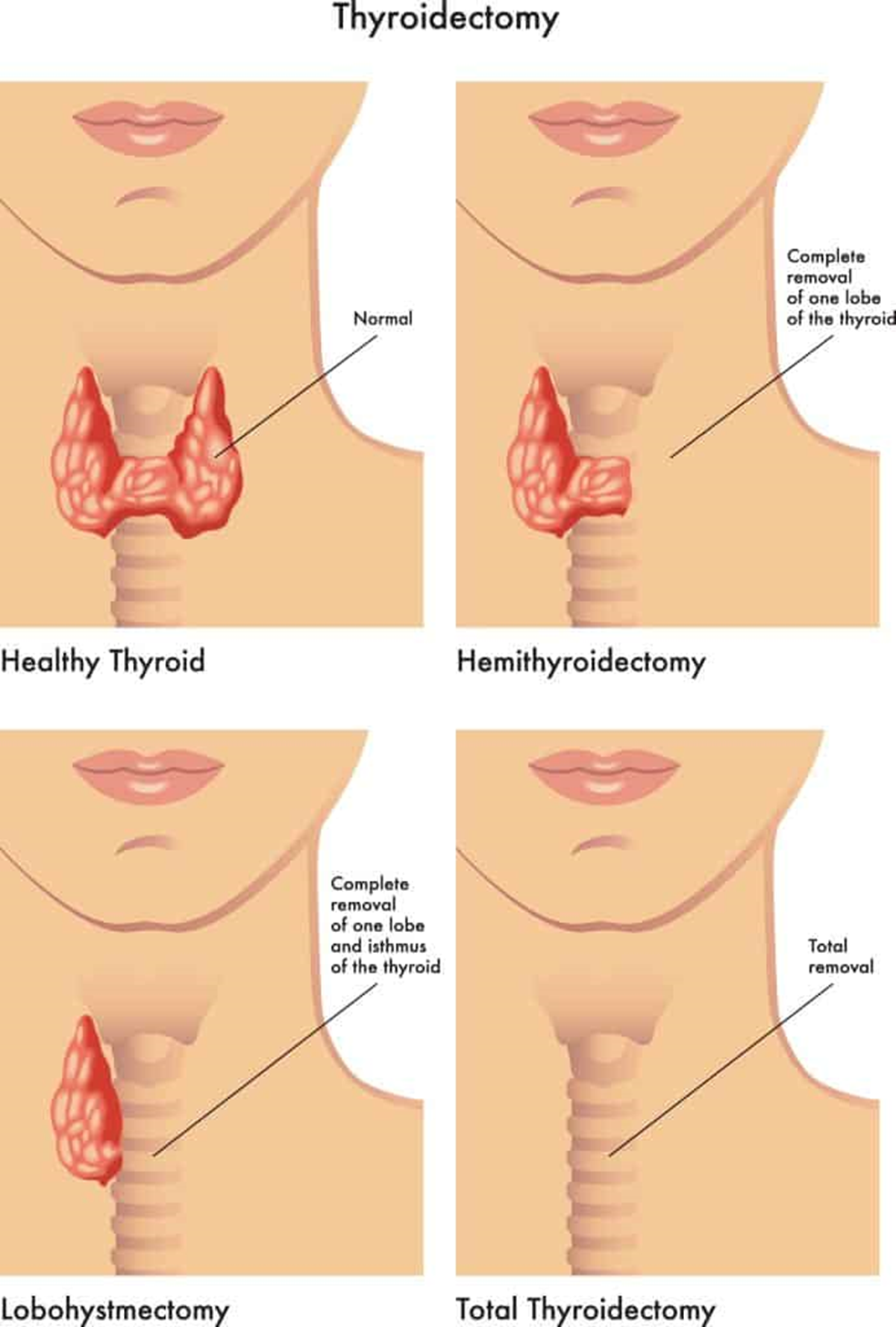
A postoperative client following a thyroidectomy suddenly develops difficulty breathing, stridor, and an increase in swelling of the anterior neck area. What should the nurse do first?
A. Activate the hospital’s emergency or rapid response system.
The first priority in this situation is to ensure the client’s airway is secure. Difficulty breathing and stridor indicate a potential airway obstruction, which can be life-threatening. Activating the hospital’s emergency or rapid response system ensures that the client receives immediate medical attention from a team equipped to handle such emergencies. This step is crucial to prevent respiratory arrest and other complications.
B. Place a heart monitor on the client and observe for dysrhythmias.
While placing a heart monitor on the client and observing for dysrhythmias is important, it is not the immediate priority in this scenario. The client’s airway and breathing take precedence over monitoring heart rhythms. Once the airway is secured and breathing is stabilized, then monitoring for dysrhythmias can be considered.
C. Ask the charge nurse to come see the client immediately.
Asking the charge nurse to come see the client immediately is a reasonable action, but it is not the most effective first step. The charge nurse may not have the necessary equipment or expertise to handle an acute airway obstruction. Activating the emergency or rapid response system ensures that a specialized team responds quickly.
D. Check the client’s blood pressure and heart rate.
Checking the client’s blood pressure and heart rate is important for overall assessment, but it is not the immediate priority when there is a potential airway obstruction. Ensuring the client can breathe is the most critical action. Vital signs can be checked once the airway is secured.
E. Provide a calm and assuring environment for the client.
Providing a calm and assuring environment for the client is beneficial for reducing anxiety, but it does not address the immediate threat to the client’s airway. While maintaining a calm environment is important, the nurse must first ensure the client’s airway is open and breathing is adequate.
F. Place the emergency cart at the bedside.
Placing the emergency cart at the bedside is a preparatory step that can be useful, but it is not the first action to take. The nurse should first activate the emergency or rapid response system to get immediate help. The emergency cart can be brought to the bedside by the responding team.
This question is an excerpt from Nurse Dive's nursing test bank - Final Med Surg Comprehensive Proctored Exam (Brooklyn University). Take the full exam now
Full Explanation
Choice A reason: The first priority in this situation is to ensure the client’s airway is secure. Difficulty breathing and stridor indicate a potential airway obstruction, which can be life-threatening. Activating the hospital’s emergency or rapid response system ensures that the client receives immediate medical attention from a team equipped to handle such emergencies. This step is crucial to prevent respiratory arrest and other complications.
Choice B reason: While placing a heart monitor on the client and observing for dysrhythmias is important, it is not the immediate priority in this scenario. The client’s airway and breathing take precedence over monitoring heart rhythms. Once the airway is secured and breathing is stabilized, then monitoring for dysrhythmias can be considered.
Choice C reason: Asking the charge nurse to come see the client immediately is a reasonable action, but it is not the most effective first step. The charge nurse may not have the necessary equipment or expertise to handle an acute airway obstruction. Activating the emergency or rapid response system ensures that a specialized team responds quickly.
Choice D reason: Checking the client’s blood pressure and heart rate is important for overall assessment, but it is not the immediate priority when there is a potential airway obstruction. Ensuring the client can breathe is the most critical action. Vital signs can be checked once the airway is secured.
Choice E reason: Providing a calm and assuring environment for the client is beneficial for reducing anxiety, but it does not address the immediate threat to the client’s airway. While maintaining a calm environment is important, the nurse must first ensure the client’s airway is open and breathing is adequate.
Choice F reason: Placing the emergency cart at the bedside is a preparatory step that can be useful, but it is not the first action to take. The nurse should first activate the emergency or rapid response system to get immediate help. The emergency cart can be brought to the bedside by the responding team.
Similar Questions
The nurse is caring for a patient on a telemetry unit who has a regular heart rhythm and rate of 60 beats/min; a P wave precedes each QRS complex, and the PR interval is 0.20 seconds. Additional vital signs are: blood pressure 118/68 mm Hg, respiratory rate 16 breaths/min, and temperature 98.8°F (37°C). All of these medications are available on the medication record. What action will the nurse take?
A. Continue to monitor.
: Continuing to monitor is the most appropriate action in this scenario. The patient has a regular heart rhythm and a heart rate of 60 beats per minute, which is within the normal range for sinus bradycardia. The PR interval is 0.20 seconds, which is at the upper limit of normal. The patient’s vital signs are stable, with a blood pressure of 118/68 mm Hg, a respiratory rate of 16 breaths per minute, and a temperature of 98.8°F (37°C). There are no signs of hemodynamic instability or symptoms that would necessitate immediate intervention. Therefore, ongoing monitoring is sufficient to ensure the patient’s condition remains stable.
B. Administer clonidine.
: Administering clonidine is not appropriate in this situation. Clonidine is an antihypertensive medication that can lower blood pressure and heart rate. Given that the patient’s blood pressure and heart rate are within normal ranges, administering clonidine could potentially cause hypotension and bradycardia, leading to adverse effects. Therefore, clonidine is not indicated for this patient.
C. Administer atropine.
: Administering atropine is not necessary for this patient. Atropine is used to treat symptomatic bradycardia, where the heart rate is abnormally slow and causing symptoms such as dizziness, hypotension, or syncope. In this case, the patient’s heart rate is 60 beats per minute, which is within the normal range for sinus bradycardia, and there are no symptoms indicating the need for atropine. Therefore, atropine is not required.
D. Administer digoxin.
: Administering digoxin is also not appropriate. Digoxin is a cardiac glycoside used to treat heart failure and certain types of arrhythmias, such as atrial fibrillation. It can slow the heart rate and increase the force of cardiac contractions. In this scenario, the patient does not have any indications for digoxin therapy, such as heart failure or atrial fibrillation, and their heart rate is already within the normal range. Therefore, digoxin is not indicated.
Full Explanation
Choice A Reason:
Continuing to monitor is the most appropriate action in this scenario. The patient has a regular heart rhythm and a heart rate of 60 beats per minute, which is within the normal range for sinus bradycardia. The PR interval is 0.20 seconds, which is at the upper limit of normal. The patient’s vital signs are stable, with a blood pressure of 118/68 mm Hg, a respiratory rate of 16 breaths per minute, and a temperature of 98.8°F (37°C). There are no signs of hemodynamic instability or symptoms that would necessitate immediate intervention. Therefore, ongoing monitoring is sufficient to ensure the patient’s condition remains stable.
Choice B Reason:
Administering clonidine is not appropriate in this situation. Clonidine is an antihypertensive medication that can lower blood pressure and heart rate. Given that the patient’s blood pressure and heart rate are within normal ranges, administering clonidine could potentially cause hypotension and bradycardia, leading to adverse effects. Therefore, clonidine is not indicated for this patient.
Choice C Reason:
Administering atropine is not necessary for this patient. Atropine is used to treat symptomatic bradycardia, where the heart rate is abnormally slow and causing symptoms such as dizziness, hypotension, or syncope. In this case, the patient’s heart rate is 60 beats per minute, which is within the normal range for sinus bradycardia, and there are no symptoms indicating the need for atropine. Therefore, atropine is not required.
Choice D Reason:
Administering digoxin is also not appropriate. Digoxin is a cardiac glycoside used to treat heart failure and certain types of arrhythmias, such as atrial fibrillation. It can slow the heart rate and increase the force of cardiac contractions. In this scenario, the patient does not have any indications for digoxin therapy, such as heart failure or atrial fibrillation, and their heart rate is already within the normal range. Therefore, digoxin is not indicated.
An adult client who has been experiencing a seizure for approximately 15 minutes is brought to the emergency department by private vehicle. Which intervention should the nurse implement first?
A. Administer levetiracetam intravenously.
: Administering levetiracetam intravenously is not the first intervention. While levetiracetam is an antiepileptic drug used to control seizures, it is not the first-line treatment for an ongoing seizure, especially one lasting as long as 15 minutes. The priority in this situation is to stop the seizure activity immediately to prevent further complications, such as neuronal damage or status epilepticus. Levetiracetam may be used later for maintenance therapy, but it is not the initial emergency intervention.
B. Obtain a STAT electroencephalogram.
: Obtaining a STAT electroencephalogram (EEG) is important for diagnosing and understanding the type of seizure activity, but it is not the first intervention. The immediate priority is to stop the seizure. An EEG can be performed after the seizure has been controlled to assess brain activity and guide further treatment. Delaying the administration of an anticonvulsant to perform an EEG could result in prolonged seizure activity and increased risk of complications.
C. Administer lorazepam intravenously.
: Administering lorazepam intravenously is the most appropriate first intervention. Lorazepam is a benzodiazepine that acts quickly to stop seizure activity. It is the drug of choice for treating status epilepticus and prolonged seizures because of its rapid onset and effectiveness. Administering lorazepam helps to quickly terminate the seizure, reducing the risk of complications and stabilizing the patient for further evaluation and treatment.
D. Obtain a STAT 12-lead electrocardiogram.
: Obtaining a STAT 12-lead electrocardiogram (ECG) is not the first intervention. While an ECG can provide valuable information about the patient’s cardiac status, it does not address the immediate need to stop the seizure. The priority is to administer an anticonvulsant to terminate the seizure. Once the seizure is controlled, an ECG can be performed to assess any potential cardiac issues, especially if the patient has a history of cardiac problems or if the seizure was triggered by a cardiac event.
Full Explanation
Choice A Reason:
Administering levetiracetam intravenously is not the first intervention. While levetiracetam is an antiepileptic drug used to control seizures, it is not the first-line treatment for an ongoing seizure, especially one lasting as long as 15 minutes. The priority in this situation is to stop the seizure activity immediately to prevent further complications, such as neuronal damage or status epilepticus. Levetiracetam may be used later for maintenance therapy, but it is not the initial emergency intervention.
Choice B Reason:
Obtaining a STAT electroencephalogram (EEG) is important for diagnosing and understanding the type of seizure activity, but it is not the first intervention. The immediate priority is to stop the seizure. An EEG can be performed after the seizure has been controlled to assess brain activity and guide further treatment. Delaying the administration of an anticonvulsant to perform an EEG could result in prolonged seizure activity and increased risk of complications.
Choice C Reason:
Administering lorazepam intravenously is the most appropriate first intervention. Lorazepam is a benzodiazepine that acts quickly to stop seizure activity. It is the drug of choice for treating status epilepticus and prolonged seizures because of its rapid onset and effectiveness. Administering lorazepam helps to quickly terminate the seizure, reducing the risk of complications and stabilizing the patient for further evaluation and treatment.
Choice D Reason:
Obtaining a STAT 12-lead electrocardiogram (ECG) is not the first intervention. While an ECG can provide valuable information about the patient’s cardiac status, it does not address the immediate need to stop the seizure. The priority is to administer an anticonvulsant to terminate the seizure. Once the seizure is controlled, an ECG can be performed to assess any potential cardiac issues, especially if the patient has a history of cardiac problems or if the seizure was triggered by a cardiac event.
A client with chronic lung disease is prescribed 40% oxygen via face mask. Which finding indicates to the nurse that the client is experiencing oxygen toxicity? Select all that apply.
A. Pink frothy sputum
Pink frothy sputum is a classic sign of pulmonary edema, which can occur as a result of oxygen toxicity. When the alveoli in the lungs fill with fluid, it can lead to this type of sputum. This is a critical indicator that the client is experiencing severe respiratory distress and requires immediate medical attention.
B. Substernal discomfort
Substernal discomfort or chest pain is another symptom of oxygen toxicity. This discomfort arises due to the irritation and inflammation of the lung tissues caused by high levels of oxygen. It is essential to monitor and address this symptom promptly to prevent further complications.
C. Nail clubbing
Nail clubbing is typically associated with chronic hypoxia and long-term lung diseases, but it is not an acute indicator of oxygen toxicity. Therefore, it is not relevant in this context.
D. Restlessness
Restlessness is a common early sign of hypoxia and can also indicate oxygen toxicity. When the brain does not receive adequate oxygen, it can lead to symptoms such as restlessness, confusion, and agitation. This symptom should be taken seriously and addressed immediately.
E. Cyanosis at nail beds
Cyanosis at the nail beds indicates a lack of oxygen in the blood, but it is not specific to oxygen toxicity. It can occur in various conditions where there is inadequate oxygenation, such as chronic obstructive pulmonary disease (COPD) or heart failure.
Full Explanation
Choice A reason: Pink frothy sputum is a classic sign of pulmonary edema, which can occur as a result of oxygen toxicity. When the alveoli in the lungs fill with fluid, it can lead to this type of sputum. This is a critical indicator that the client is experiencing severe respiratory distress and requires immediate medical attention.
Choice B reason: Substernal discomfort or chest pain is another symptom of oxygen toxicity. This discomfort arises due to the irritation and inflammation of the lung tissues caused by high levels of oxygen. It is essential to monitor and address this symptom promptly to prevent further complications.
Choice C reason: Nail clubbing is typically associated with chronic hypoxia and long-term lung diseases, but it is not an acute indicator of oxygen toxicity. Therefore, it is not relevant in this context.
Choice D reason: Restlessness is a common early sign of hypoxia and can also indicate oxygen toxicity. When the brain does not receive adequate oxygen, it can lead to symptoms such as restlessness, confusion, and agitation. This symptom should be taken seriously and addressed immediately.
Choice E reason: Cyanosis at the nail beds indicates a lack of oxygen in the blood, but it is not specific to oxygen toxicity. It can occur in various conditions where there is inadequate oxygenation, such as chronic obstructive pulmonary disease (COPD) or heart failure.