
Nursing practice questions with comprehensive rationales
NurseDive Free Nursing Practice Question
A client is diagnosed with gestational hypertension and is receiving magnesium sulfate. Which finding would the nurse interpret as indicating a therapeutic level of medication?
A. Difficulty in arousing
Reason: This is incorrect because difficulty in arousing is a sign of magnesium toxicity, which is a serious complication of magnesium sulfate therapy. Magnesium toxicity can cause central nervous system depression, muscle weakness, and cardiac arrest. The nurse should monitor the client's level of consciousness and stop the infusion if the client becomes lethargic or unresponsive.
B. Deep tendon reflexes 2+
Reason: This is correct because deep tendon reflexes 2+ indicate a normal and expected response to magnesium sulfate therapy. Magnesium sulfate is a muscle relaxant that can reduce the risk of seizures in gestational hypertension. The nurse should assess the client's deep tendon reflexes regularly and maintain them at 2+ or slightly diminished.
C. Urinary output of 30 mL per hour
Reason: This is incorrect because urinary output of 30 mL per hour is below the normal range of 40 to 80 mL per hour and may indicate renal impairment or dehydration. Magnesium sulfate can cause renal toxicity or fluid retention, which can affect the urinary output. The nurse should monitor the client's urinary output and fluid balance and report any abnormalities to the doctor.
D. Respiratory rate of 10 breaths/minute
Reason: This is incorrect because respiratory rate of 10 breaths/minute is below the normal range of 12 to 20 breaths/minute and may indicate respiratory depression. Magnesium sulfate can cause respiratory depression or failure, which can be life-threatening. The nurse should monitor the client's respiratory rate and oxygen saturation and administer oxygen or antidote if needed.
This question is an excerpt from Nurse Dive's nursing test bank - Ati Maternal Newborn 4 Proctored Exam. Take the full exam now
Full Explanation
Choice A Reason: This is incorrect because difficulty in arousing is a sign of magnesium toxicity, which is a serious complication of magnesium sulfate therapy. Magnesium toxicity can cause central nervous system depression, muscle weakness, and cardiac arrest. The nurse should monitor the client's level of consciousness and stop the infusion if the client becomes lethargic or unresponsive.
Choice B Reason: This is correct because deep tendon reflexes 2+ indicate a normal and expected response to magnesium sulfate therapy. Magnesium sulfate is a muscle relaxant that can reduce the risk of seizures in gestational hypertension. The nurse should assess the client's deep tendon reflexes regularly and maintain them at 2+ or slightly diminished.
Choice C Reason: This is incorrect because urinary output of 30 mL per hour is below the normal range of 40 to 80 mL per hour and may indicate renal impairment or dehydration. Magnesium sulfate can cause renal toxicity or fluid retention, which can affect the urinary output. The nurse should monitor the client's urinary output and fluid balance and report any abnormalities to the doctor.
Choice D Reason: This is incorrect because respiratory rate of 10 breaths/minute is below the normal range of 12 to 20 breaths/minute and may indicate respiratory depression. Magnesium sulfate can cause respiratory depression or failure, which can be life-threatening. The nurse should monitor the client's respiratory rate and oxygen saturation and administer oxygen or antidote if needed.
Similar Questions
A pregnant woman in the 36th week of gestation reports that her feet are quite swollen at the end of the day. After careful assessment, the nurse determines that this is an expected finding at this stage of pregnancy. Which intervention is appropriate for the nurse to suggest?
A. Wear spandex-type full-length pants
Reason: This is incorrect because wearing spandex-type full-length pants can constrict the blood flow and increase the swelling in the feet. The nurse should advise the woman to wear loose-fitting clothes and comfortable shoes that do not squeeze or rub her feet.
B. Try elevating your legs when you sit
Reason: This is correct because elevating the legs when sitting can improve the venous return and reduce the swelling in the feet. The nurse should encourage the woman to elevate her legs above her heart level whenever possible and avoid crossing her legs or standing for long periods.
C. Limit your intake of fluids
Reason: This is incorrect because limiting the intake of fluids can cause dehydration and worsen the swelling in the feet. The nurse should recommend the woman to drink plenty of water and other healthy fluids to maintain hydration and flush out excess sodium and waste products from her body.
D. Eliminate salt from your diet
Reason: This is incorrect because eliminating salt from the diet can cause electrolyte imbalance and affect the fluid balance in the body. The nurse should advise the woman to consume salt in moderation and avoid processed foods that are high in sodium.
Full Explanation
Choice A Reason: This is incorrect because wearing spandex-type full-length pants can constrict the blood flow and increase the swelling in the feet. The nurse should advise the woman to wear loose-fitting clothes and comfortable shoes that do not squeeze or rub her feet.
Choice B Reason: This is correct because elevating the legs when sitting can improve venous return and reduce the swelling in the feet. The nurse should encourage the woman to elevate her legs above her heart level whenever possible and avoid crossing her legs or standing for long periods.
Choice C Reason: This is incorrect because limiting the intake of fluids can cause dehydration and worsen the swelling in the feet. The nurse should recommend the woman drink plenty of water and other healthy fluids to maintain hydration and flush out excess sodium and waste products from her body.
Choice D Reason: This is incorrect because eliminating salt from the diet can cause electrolyte imbalance and affect the fluid balance in the body. The nurse should advise the woman to consume salt in moderation and avoid processed foods that are high in sodium.
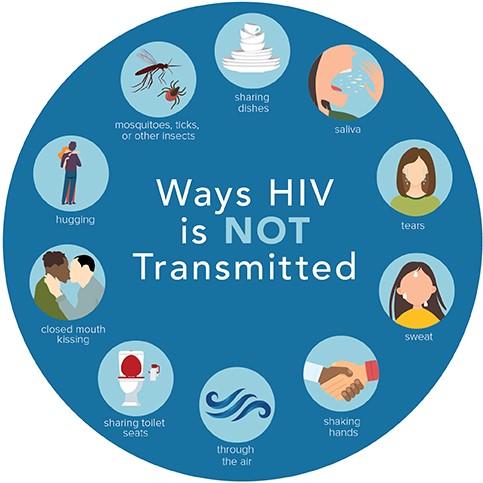
A nurse is planning a presentation about HIV for a church-based group. Which of the following information about HIV transmission should the nurse include?
A. It is primarily transmitted through mosquitoes.
Reason: This is incorrect because mosquitoes do not transmit HIV. HIV is a virus that infects human cells and cannot survive in insects. Mosquitoes do not inject blood from one person to another when they bite, but only saliva that contains anticoagulants and enzymes.
B. It is primarily transmitted through accidental puncture wounds.
Reason: This is incorrect because accidental puncture wounds are not a common mode of HIV transmission. HIV can be transmitted through exposure to infected blood or body fluids, such as through needle sharing, blood transfusion, or occupational injury. However, these cases are rare and can be prevented by using sterile equipment, screening blood products, and following universal precautions.
C. It is primarily transmitted through sexual contact.
Reason: This is correct because sexual contact is the most common mode of HIV transmission. HIV can be transmitted through unprotected vaginal, anal, or oral sex with an infected person, as these activities can involve contact with infected blood, semen, vaginal fluid, or pre-ejaculate.
D. It is primarily transmitted through respiratory droplets.
Reason: This is incorrect because respiratory droplets do not transmit HIV. HIV is not an airborne virus and cannot be spread by coughing, sneezing, or breathing. HIV cannot be transmitted by casual contact, such as hugging, kissing, or sharing utensils.
Full Explanation
Choice A Reason: This is incorrect because mosquitoes do not transmit HIV. HIV is a virus that infects human cells and cannot survive in insects. Mosquitoes do not inject blood from one person to another when they bite, but only saliva that contains anticoagulants and enzymes.
Choice B Reason: This is incorrect because accidental puncture wounds are not a common mode of HIV transmission. HIV can be transmitted through exposure to infected blood or body fluids, such as through needle sharing, blood transfusion, or occupational injury. However, these cases are rare and can be prevented by using sterile equipment, screening blood products, and following universal precautions.
Choice C Reason: This is correct because sexual contact is the most common mode of HIV transmission. HIV can be transmitted through unprotected vaginal, anal, or oral sex with an infected person, as these activities can involve contact with infected blood, semen, vaginal fluid, or pre-ejaculate.
Choice D Reason: This is incorrect because respiratory droplets do not transmit HIV. HIV is not an airborne virus and cannot be spread by coughing, sneezing, or breathing. HIV cannot be transmitted by casual contact, such as hugging, kissing, or sharing utensils.
A nurse is conducting an in-service program for a group of nurses working at the women's health facility about the causes of spontaneous abortion. The nurse determines that the teaching was successful when the group identifies which condition as the most common cause of first trimester abortions?
A. Cervical insufficiency
Reason: This is incorrect because cervical insufficiency is a condition where the cervix dilates prematurely and painlessly during pregnancy, leading to preterm delivery or second trimester abortion. It is not a common cause of first trimester abortion, which occurs before 12 weeks of gestation.
B. Uterine fibroids
Reason: This is incorrect because uterine fibroids are benign tumors that grow in or on the uterus. They may cause heavy bleeding, pain, or infertility, but they are not a common cause of first trimester abortion. They may increase the risk of miscarriage in later stages of pregnancy.
C. Fetal genetic abnormalities
Reason: This is correct because fetal genetic abnormalities are the most common cause of first trimester abortion, accounting for up to 70% of cases. Fetal genetic abnormalities are errors in the number or structure of chromosomes that occur during fertilization or cell division. They can cause developmental defects or fetal demise that result in spontaneous abortion.
D. Maternal disease
Reason: This is incorrect because maternal disease is not a common cause of first trimester abortion. Maternal disease refers to any medical condition that affects the mother's health or pregnancy outcome, such as diabetes, hypertension, thyroid disorders, or infections. Maternal disease may increase the risk of miscarriage in later stages of pregnancy or cause other complications such as preterm labor or preeclampsia.
Full Explanation
Choice A Reason: This is incorrect because cervical insufficiency is a condition where the cervix dilates prematurely and painlessly during pregnancy, leading to preterm delivery or second trimester abortion. It is not a common cause of first trimester abortion, which occurs before 12 weeks of gestation.
Choice B Reason: This is incorrect because uterine fibroids are benign tumors that grow in or on the uterus. They may cause heavy bleeding, pain, or infertility, but they are not a common cause of first trimester abortion. They may increase the risk of miscarriage in later stages of pregnancy.
Choice C Reason: This is correct because fetal genetic abnormalities are the most common cause of first trimester abortion, accounting for up to 70% of cases. Fetal genetic abnormalities are errors in the number or structure of chromosomes that occur during fertilization or cell division. They can cause developmental defects or fetal demise that result in spontaneous abortion.
Choice D Reason: This is incorrect because maternal disease is not a common cause of first trimester abortion. Maternal disease refers to any medical condition that affects the mother's health or pregnancy outcome, such as diabetes, hypertension, thyroid disorders, or infections. Maternal disease may increase the risk of miscarriage in later stages of pregnancy or cause other complications such as preterm labor or preeclampsia.