
Nursing practice questions with comprehensive rationales
NurseDive Free Nursing Practice Question
A nurse is conducting an in-service program for a group of nurses working at the women's health facility about the causes of spontaneous abortion. The nurse determines that the teaching was successful when the group identifies which condition as the most common cause of first trimester abortions?
A. Cervical insufficiency
Reason: This is incorrect because cervical insufficiency is a condition where the cervix dilates prematurely and painlessly during pregnancy, leading to preterm delivery or second trimester abortion. It is not a common cause of first trimester abortion, which occurs before 12 weeks of gestation.
B. Uterine fibroids
Reason: This is incorrect because uterine fibroids are benign tumors that grow in or on the uterus. They may cause heavy bleeding, pain, or infertility, but they are not a common cause of first trimester abortion. They may increase the risk of miscarriage in later stages of pregnancy.
C. Fetal genetic abnormalities
Reason: This is correct because fetal genetic abnormalities are the most common cause of first trimester abortion, accounting for up to 70% of cases. Fetal genetic abnormalities are errors in the number or structure of chromosomes that occur during fertilization or cell division. They can cause developmental defects or fetal demise that result in spontaneous abortion.
D. Maternal disease
Reason: This is incorrect because maternal disease is not a common cause of first trimester abortion. Maternal disease refers to any medical condition that affects the mother's health or pregnancy outcome, such as diabetes, hypertension, thyroid disorders, or infections. Maternal disease may increase the risk of miscarriage in later stages of pregnancy or cause other complications such as preterm labor or preeclampsia.
This question is an excerpt from Nurse Dive's nursing test bank - Ati Maternal Newborn 4 Proctored Exam. Take the full exam now
Full Explanation
Choice A Reason: This is incorrect because cervical insufficiency is a condition where the cervix dilates prematurely and painlessly during pregnancy, leading to preterm delivery or second trimester abortion. It is not a common cause of first trimester abortion, which occurs before 12 weeks of gestation.
Choice B Reason: This is incorrect because uterine fibroids are benign tumors that grow in or on the uterus. They may cause heavy bleeding, pain, or infertility, but they are not a common cause of first trimester abortion. They may increase the risk of miscarriage in later stages of pregnancy.
Choice C Reason: This is correct because fetal genetic abnormalities are the most common cause of first trimester abortion, accounting for up to 70% of cases. Fetal genetic abnormalities are errors in the number or structure of chromosomes that occur during fertilization or cell division. They can cause developmental defects or fetal demise that result in spontaneous abortion.
Choice D Reason: This is incorrect because maternal disease is not a common cause of first trimester abortion. Maternal disease refers to any medical condition that affects the mother's health or pregnancy outcome, such as diabetes, hypertension, thyroid disorders, or infections. Maternal disease may increase the risk of miscarriage in later stages of pregnancy or cause other complications such as preterm labor or preeclampsia.
Similar Questions
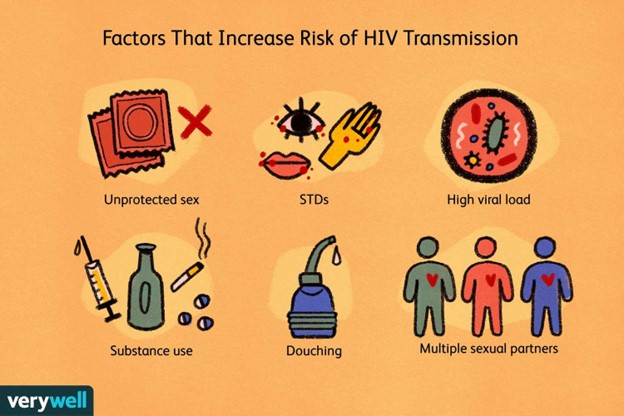
A nurse is planning a presentation about HIV for a church-based group. Which of the following information about HIV transmission should the nurse include?
A. It is primarily transmitted through mosquitoes.
Reason: This is incorrect because mosquitoes do not transmit HIV. HIV is a virus that infects human cells and cannot survive in insects. Mosquitoes do not inject blood from one person to another when they bite, but only saliva that contains anticoagulants and enzymes.
B. It is primarily transmitted through accidental puncture wounds.
Reason: This is incorrect because accidental puncture wounds are not a common mode of HIV transmission. HIV can be transmitted through exposure to infected blood or body fluids, such as through needle sharing, blood transfusion, or occupational injury. However, these cases are rare and can be prevented by using sterile equipment, screening blood products, and following universal precautions.
C. It is primarily transmitted through casual contact.
Reason: This is incorrect because casual contact is not a mode of HIV transmission. HIV is not an airborne virus and cannot be spread by coughing, sneezing, or breathing. HIV cannot be transmitted by hugging, kissing, or sharing utensils.
D. It is primarily transmitted through direct contact with infected body fluids.
Reason: This is correct because direct contact with infected body fluids is the most common mode of HIV transmission. HIV can be transmitted through unprotected vaginal, anal, or oral sex with an infected person, as these activities can involve contact with infected blood, semen, vaginal fluid, or pre-ejaculate. HIV can also be transmitted through sharing needles or syringes with an infected person, or from mother to child during pregnancy, childbirth, or breastfeeding.
Full Explanation
Choice A Reason: This is incorrect because mosquitoes do not transmit HIV. HIV is a virus that infects human cells and cannot survive in insects. Mosquitoes do not inject blood from one person to another when they bite, but only saliva that contains anticoagulants and enzymes.
Choice B Reason: This is incorrect because accidental puncture wounds are not a common mode of HIV transmission. HIV can be transmitted through exposure to infected blood or body fluids, such as through needle sharing, blood transfusion, or occupational injury. However, these cases are rare and can be prevented by using sterile equipment, screening blood products, and following universal precautions.
Choice C Reason: This is incorrect because casual contact is not a mode of HIV transmission. HIV is not an airborne virus and cannot be spread by coughing, sneezing, or breathing. HIV cannot be transmitted by hugging, kissing, or sharing utensils.
Choice D Reason: This is correct because direct contact with infected body fluids is the most common mode of HIV transmission. HIV can be transmitted through unprotected vaginal, anal, or oral sex with an infected person, as these activities can involve contact with infected blood, semen, vaginal fluid, or pre-ejaculate. HIV can also be transmitted through sharing needles or syringes with an infected person, or from mother to child during pregnancy, childbirth, or breastfeeding.
When assessing a woman in her first trimester, which emotional response would the nurse most likely expect to find?
A. Ambivalence
Reason: This is incorrect because ambivalence is a mixed or contradictory feeling towards something or someone. It may occur in some women during pregnancy, especially if the pregnancy was unplanned or unwanted. However, it is not the most likely emotional response in the first trimester.
B. Emotional lability
Reason: This is correct because emotional lability is a rapid and exaggerated change in mood or affect. It may occur in many women during pregnancy due to hormonal fluctuations, physical changes, and psychological stressors. Emotional lability may manifest as increased irritability, anxiety, sadness, or crying spells.
C. Introversion
Reason: This is incorrect because introversion is a personality trait that indicates a preference for solitude and inward focus. It may be present in some women before or during pregnancy, but it is not an emotional response that is specific to the first trimester.
D. Acceptance
Reason: This is incorrect because acceptance is a positive attitude that indicates a willingness to embrace the reality of something or someone. It may develop in some women during pregnancy as they adjust to their new role and identity as mothers. However, it is not the most likely emotional response in the first trimester.
Full Explanation
Choice A Reason: This is incorrect because ambivalence is a mixed or contradictory feeling towards something or someone. It may occur in some women during pregnancy, especially if the pregnancy was unplanned or unwanted. However, it is not the most likely emotional response in the first trimester.
Choice B Reason: This is correct because emotional lability is a rapid and exaggerated change in mood or affect. It may occur in many women during pregnancy due to hormonal fluctuations, physical changes, and psychological stressors. Emotional lability may manifest as increased irritability, anxiety, sadness, or crying spells.
Choice C Reason: This is incorrect because introversion is a personality trait that indicates a preference for solitude and inward focus. It may be present in some women before or during pregnancy, but it is not an emotional response that is specific to the first trimester.
Choice D Reason: This is incorrect because acceptance is a positive attitude that indicates a willingness to embrace the reality of something or someone. It may develop in some women during pregnancy as they adjust to their new role and identity as mothers. However, it is not the most likely emotional response in the first trimester.
When assessing a woman in her first trimester, which emotional response would the nurse most likely expect to find?
A. Ambivalence
Reason: This is incorrect because ambivalence is a mixed or contradictory feeling towards something or someone. It may occur in some women during pregnancy, especially if the pregnancy was unplanned or unwanted. However, it is not the most likely emotional response in the first trimester.
B. Emotional lability
Reason: This is correct because emotional lability is a rapid and exaggerated change in mood or affect. It may occur in many women during pregnancy due to hormonal fluctuations, physical changes, and psychological stressors. Emotional lability may manifest as increased irritability, anxiety, sadness, or crying spells.
C. Introversion
Reason: This is incorrect because introversion is a personality trait that indicates a preference for solitude and inward focus. It may be present in some women before or during pregnancy, but it is not an emotional response that is specific to the first trimester.
D. Acceptance
Reason: This is incorrect because acceptance is a positive attitude that indicates a willingness to embrace the reality of something or someone. It may develop in some women during pregnancy as they adjust to their new role and identity as mothers. However, it is not the most likely emotional response in the first trimester.
Full Explanation
Choice A Reason: This is incorrect because ambivalence is a mixed or contradictory feeling towards something or someone. It may occur in some women during pregnancy, especially if the pregnancy was unplanned or unwanted. However, it is not the most likely emotional response in the first trimester.
Choice B Reason: This is correct because emotional lability is a rapid and exaggerated change in mood or affect. It may occur in many women during pregnancy due to hormonal fluctuations, physical changes, and psychological stressors. Emotional lability may manifest as increased irritability, anxiety, sadness, or crying spells.
Choice C Reason: This is incorrect because introversion is a personality trait that indicates a preference for solitude and inward focus. It may be present in some women before or during pregnancy, but it is not an emotional response that is specific to the first trimester.
Choice D Reason: This is incorrect because acceptance is a positive attitude that indicates a willingness to embrace the reality of something or someone. It may develop in some women during pregnancy as they adjust to their new role and identity as mothers. However, it is not the most likely emotional response in the first trimester.