
Nursing practice questions with comprehensive rationales
NurseDive Free Nursing Practice Question
A client is on Clozaril (Clozapine). The nurse is aware that frequent blood work is essential during the first 6 months of treatment to monitor for the presence of what?
A. A decrease in white blood cells
Clozapine is an antipsychotic medication associated with agranulocytosis which is a condition where the bone marrow does not provide enough white blood cells. This increases an individual’s risk of infections. Therefore, frequent blood tests should be performed on an individual taking this medication to monitor the WBC count and stop the medication if need be.
B. A low hemoglobin levels
clozapine is not associated with a low hemoglobin level. Anemia may be caused by conditions such as iron deficiency, chronic conditions such as chronic kidney disease, and vitamin B12 deficiency.
C. An increase in white blood cells
An increase in white blood cell count is not a side effect of clozapine but can be caused by infections. Clozapine causes low white blood cell count.
D. Blood in the urine
blood in urine is not a side effect of clozapine but can be caused by the use of medications such as cyclophosphamide.
This question is an excerpt from Nurse Dive's nursing test bank - ATI ns 130 Exam Psychosocial Proctored Exam. Take the full exam now
Full Explanation
Choice A rationale: Clozapine is an antipsychotic medication associated with agranulocytosis which is a condition where the bone marrow does not provide enough white blood cells. This increases an individual’s risk of infections. Therefore, frequent blood tests should be performed on an individual taking this medication to monitor the WBC count and stop the medication if need be.
Choice B rationale: clozapine is not associated with a low hemoglobin level. Anemia may be caused by conditions such as iron deficiency, chronic conditions such as chronic kidney disease, and vitamin B12 deficiency.
Choice C rationale: An increase in white blood cell count is not a side effect of clozapine but can be caused by infections. Clozapine causes low white blood cell count.
Choice D rationale: blood in urine is not a side effect of clozapine but can be caused by the use of medications such as cyclophosphamide.
Similar Questions
In the Working phase of the nurse-client relationship, the client and nurse work toward the goals that are agreed upon. (True or False)
A. True
B. False
Full Explanation
The working phase of the nurse-client relationship entails the implementation of interventions and evaluation of outcomes while modifying the plan of care with need. The nurse supports and educates the client while helping them to cope with their situation. This process requires constant communication, trust, and collaboration between the nurse and the client.
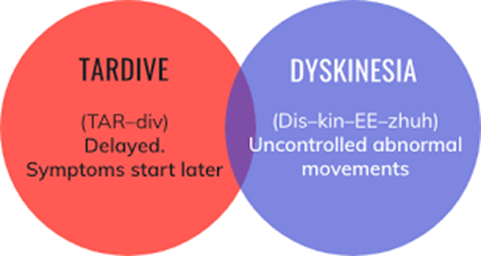
A client has been taking an antipsychotic medication for several years. It is of vital importance for the nurse to observe the client for tardive dyskinesia. Signs and symptoms of tardive dyskinesia include:
A. Absence of physical and mental movement
absence of physical and mental movement refers to catatonia that can occur in severe depression or schizophrenia.
B. Loss of ability to perform voluntary movements
akinesia refers to the absence of voluntary movement and can be seen in individuals with Parkinson’s disease or as a side effect of some antipsychotic medications.
C. Repetitious, involuntary muscle movements in the face and extremities
these are signs and symptoms of tardive dyskinesia which is a serious side effect of antipsychotic therapy resulting from the damage of nerve cells controlling movement and is irreversible especially when detected late.
D. Rigidity in the muscles that control an individual's gait, posture, and eye movements
this refers to dystonia which is a condition characterized by abnormal muscle tone resulting in painful muscle spasms and abnormal postures. This is a side effect of some antipsychotic medications.
Full Explanation
Choice A rationale: absence of physical and mental movement refers to catatonia that can occur in severe depression or schizophrenia.
Choice B rationale: akinesia refers to the absence of voluntary movement and can be seen in individuals with Parkinson’s disease or as a side effect of some antipsychotic medications.
Choice C rationale: these are signs and symptoms of tardive dyskinesia which is a serious side effect of antipsychotic therapy resulting from the damage of nerve cells controlling movement and is irreversible especially when detected late.
Choice D rationale: this refers to dystonia which is a condition characterized by abnormal muscle tone resulting in painful muscle spasms and abnormal postures. This is a side effect of some antipsychotic medications.
In communicating with the psychiatric patient, which nurse responses could block effective communication with a client? (Select all that apply)
A. "Don't stress over it. Everything will turn out fine.”
this response is dismissive of the patient’s feelings and concerns and does not acknowledge the patient’s reality and perspective. It implies that the patient is overreacting and may make the client feel judged and ignored.
B. "You should talk to your husband and not keep things inside.”
this response is intrusive and prescriptive since the patient’s reasons and preferences are not considered. it assumes that the patient has a husband and that they have a good relationship together which may not be the case.
C. "Why did you do that?"
this response is accusatory and confrontational while implying that the patient’s behavior was wrong and unacceptable. Furthermore, it focuses on the past rather than the present or the future which is relevant in this case. It also makes the patient feel guilty and ashamed which may impair their ability to open up hence ineffective care.
D. "It must be difficult for you to feel that way.
This response is empathic and validating. It reflects the patient's feelings and shows understanding and compassion. It does not judge or minimize the patient's emotions, and it invites the patient to share more if they wish. This response could make the patient feel heard, supported, and respected.
E. “Tell me more about what you are feeling”
this response encourages the patient to open up and express their thoughts and feelings. This makes the patient feel valued and empowered thus allowing them to share their feelings at their own pace.
Full Explanation
Choice A rationale: this response is dismissive of the patient’s feelings and concerns and does not acknowledge the patient’s reality and perspective. It implies that the patient is overreacting and may make the client feel judged and ignored.
Choice B rationale: this response is intrusive and prescriptive since the patient’s reasons and preferences are not considered. it assumes that the patient has a husband and that they have a good relationship together which may not be the case.
Choice C rationale: this response is accusatory and confrontational while implying that the patient’s behavior was wrong and unacceptable. Furthermore, it focuses on the past rather than the present or the future which is relevant in this case. It also makes the patient feel guilty and ashamed which may impair their ability to open up hence ineffective care.
Choice D rationale: This response is empathic and validating. It reflects the patient's feelings and shows understanding and compassion. It does not judge or minimize the patient's emotions, and it invites the patient to share more if they wish. This response could make the patient feel heard, supported, and respected.
Choice E rationale: this response encourages the patient to open up and express their thoughts and feelings. This makes the patient feel valued and empowered thus allowing them to share their feelings at their own pace.