
Nursing practice questions with comprehensive rationales
NurseDive Free Nursing Practice Question
Reference Range
Serum Albumin [Reference Range: 3.5 to 5.5 g/dL (35 to 55 g/L)]
A. Recommend the use of support stockings to enhance venous return.
A: Recommending the use of support stockings to enhance venous return is not a priority intervention for the nurse, as this does not address the underlying cause of the peripheral edema, which is fluid overload due to inadequate dialysis. This is a distractor choice.
B. Ensure the client receives frequent small meals containing complete proteins.
B: Ensuring the client receives frequent small meals containing complete proteins is a priority intervention for the nurse, as this can help improve the client's nutritional status and increase their serum albumin level, which can reduce fluid leakage into the interstitial spaces and decrease edema. Therefore, this is the correct choice.
C. Evaluate patency of the AV graft for resumption of hemodialysis.
C: Evaluating patency of the AV graft for resumption of hemodialysis is not a priority intervention for the nurse, as this is not feasible at this point since the AV graft is no longer available to use. This is another distractor choice.
D. Instruct the client to continue to follow the prescribed rigid fluid restriction amounts.
D: Instructing the client to continue to follow the prescribed rigid fluid restriction amounts is not a priority intervention for the nurse, as this does not address the root problem of inadequate dialysis and low serum albumin level, which are contributing to fluid overload and edema. This is another distractor choice.
This question is an excerpt from Nurse Dive's nursing test bank - HESI Exit II Proctored Exam. Take the full exam now
Full Explanation
Choice A: Recommending the use of support stockings to enhance venous return is not a priority intervention for the nurse, as this does not address the underlying cause of the peripheral edema, which is fluid overload due to inadequate dialysis. This is a distractor choice.
Choice B: Ensuring the client receives frequent small meals containing complete proteins is a priority intervention for the nurse, as this can help improve the client's nutritional status and increase their serum albumin level, which can reduce fluid leakage into the interstitial spaces and decrease edema. Therefore, this is the correct choice.
Choice C: Evaluating patency of the AV graft for resumption of hemodialysis is not a priority intervention for the nurse, as this is not feasible at this point since the AV graft is no longer available to use. This is another distractor choice.
Choice D: Instructing the client to continue to follow the prescribed rigid fluid restriction amounts is not a priority intervention for the nurse, as this does not address the root problem of inadequate dialysis and low serum albumin level, which are contributing to fluid overload and edema. This is another distractor choice.
Similar Questions
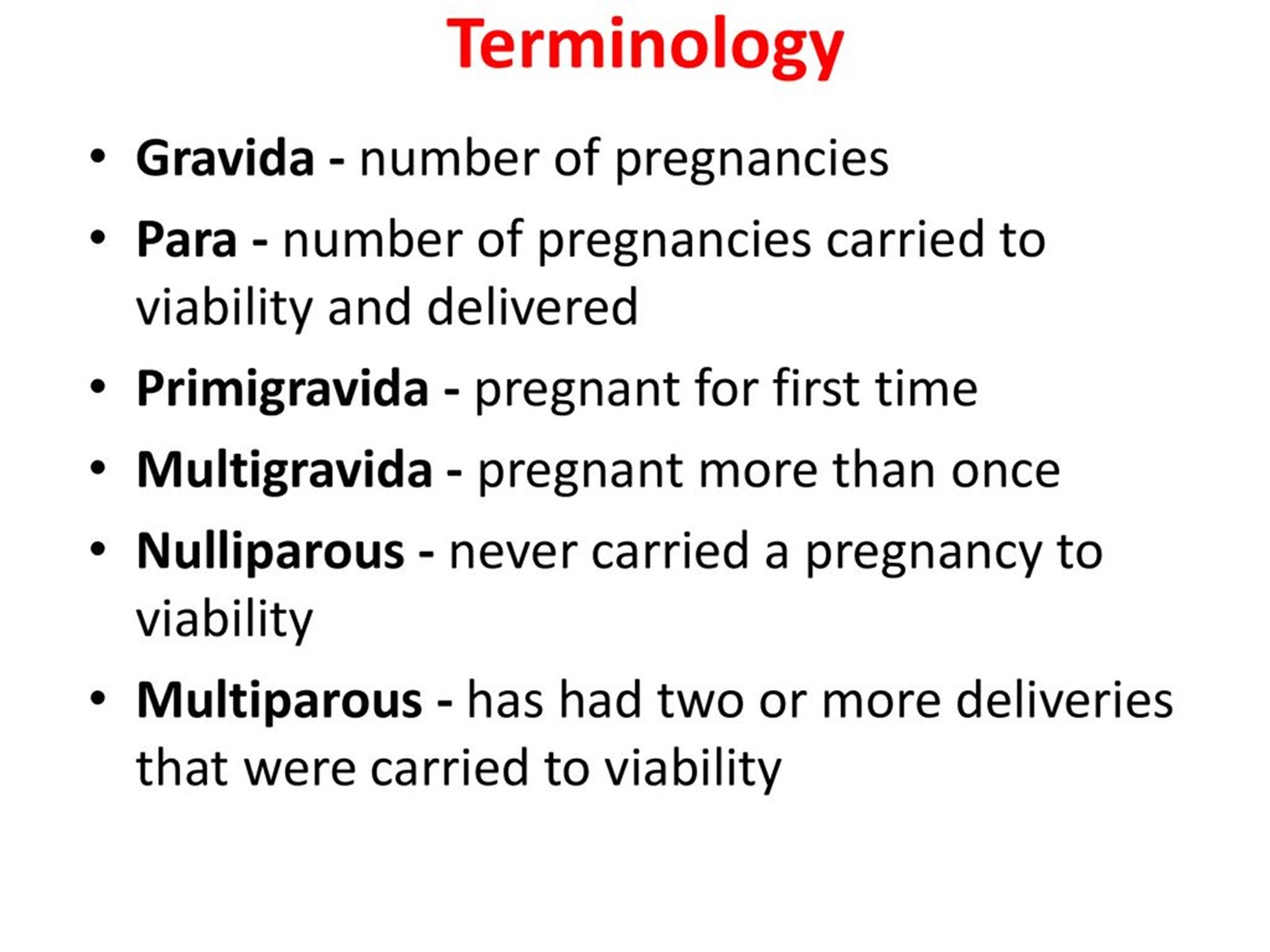
When assessing a multigravida on the first postpartum day, the nurse finds a moderate amount of lochia rubra, with the uterus firm and three fingerbreadths above the umbilicus. What action should the nurse implement first?
A. Check for a distended bladder.
This is the correct answer because a distended bladder can cause uterine displacement and interfere with uterine contraction, leading to increased bleeding and risk of infection. The nurse should check for bladder fullness and encourage the client to void or catheterize if necessary.
B. Review the hemoglobin to determine hemorrhage.
Reviewing the hemoglobin to determine hemorrhage is an important action, but not the first one. The nurse should first identify and correct the cause of bleeding, such as bladder distension or uterine atony, before checking for blood loss and anemia.
C. Massage the uterus to decrease atony.
Massaging the uterus to decrease atony is not indicated in this case, because the uterus is already firm. Massaging a firm uterus can cause overstimulation and pain.
D. Increase intravenous infusion.
Increasing intravenous infusion is not the first action, because it may worsen bleeding by increasing blood pressure and diluting clotting factors. The nurse should first assess and manage bleeding before administering fluids or blood products as prescribed.
Full Explanation
Choice B reason: Reviewing the hemoglobin to determine hemorrhage is an important action, but not the first one. The nurse should first identify and correct the cause of bleeding, such as bladder distension or uterine atony, before checking for blood loss and anemia.
Choice C reason: Massaging the uterus to decrease atony is not indicated in this case, because the uterus is already firm. Massaging a firm uterus can cause overstimulation and pain.
Choice D reason: Increasing intravenous infusion is not the first action, because it may worsen bleeding by increasing blood pressure and diluting clotting factors. The nurse should first assess and manage bleeding before administering fluids or blood products as prescribed.
The psychiatric nurse is caring for clients on an adolescent unit. Which client requires the nurse’s immediate attention?
A. A 15-year-old client with anorexia nervosa who is refusing to eat the evening snack.
A is incorrect because the client with anorexia nervosa who is refusing to eat the evening snack is not in immediate danger. The nurse should monitor the client's nutritional status and weight, but this can be done later.
B. An 18-year-old client with antisocial behavior who is being yelled at by other clients.
The client with antisocial behavior is at risk of being harmed by other clients or harming others. The nurse should intervene immediately to prevent violence and ensure safety.
C. A 17-year-old client diagnosed with bipolar disorder who is pacing around the lobby.
The client with bipolar disorder who is pacing around the lobby is not in immediate danger. The nurse should assess the client's mood and energy level, but this can be done later.
D. A 16-year-old client diagnosed with major depression who refuses to participate in group.
D is incorrect because the client with major depression who refuses to participate in group is not in immediate danger. The nurse should encourage the client to join the group, but this can be done later.
E. None
None
F. None
None
Full Explanation
Choice B The client with antisocial behavior is at risk of being harmed by other clients or harming others. The nurse should intervene immediately to prevent violence and ensure safety.
Choice A is incorrect because the client with anorexia nervosa who is refusing to eat the evening snack is not in immediate danger. The nurse should monitor the client's nutritional status and weight, but this can be done later.
Choice C iThe client with bipolar disorder who is pacing may be exhibiting signs of agitation, restlessness, or escalating mania, which can quickly lead to aggression, impulsivity, or loss of control. This behavior requires immediate attention to ensure safety for both the client and others on the unit. Manic or agitated patients may become unpredictable, making early intervention crucial.
Choice D is incorrect because the client with major depression who refuses to participate in group is not in immediate danger. The nurse should encourage the client to join the group, but this can be done later.
A male client reports to the on-call nurse that he took tadalafil 10 mg by mouth two hours ago and his skin now feels flushed. He reports a history of stable angina, but denies experiencing any current or recent chest pain. Which action should the nurse take?
A. Instruct the client to increase his intake of oral fluids until the skin flushing is relieved.
A: Instructing the client to increase his intake of oral fluids until the skin flushing is relieved is not an appropriate action for the nurse, as this does not address the cause of the flushing, which is vasodilation due to tadalafil. This is a distractor choice.
B. Advise the client to place one nitroglycerin tablet under his tongue as a precaution.
B: Advising the client to place one nitroglycerin tablet under his tongue as a precaution is a dangerous action for the nurse, as this can cause severe hypotension and cardiovascular collapse due to the interaction between tadalafil and nitroglycerin. This is a contraindicated choice.
C. Tell the client to have someone bring him to an emergency department immediately.
C: Telling the client to have someone bring him to an emergency department immediately is an unnecessary action for the nurse, as there is no evidence of any serious adverse reaction or complication from tadalafil. This is an overreaction choice.
D. Reassure the client that skin flushing is a common side effect of the medication.
D: Reassuring the client that skin flushing is a common side effect of the medication is an appropriate action for the nurse, as this can calm the client and educate him about the expected effects of tadalafil. Therefore, this is the correct choice.
Full Explanation
Choice A: Instructing the client to increase his intake of oral fluids until the skin flushing is relieved is not an appropriate action for the nurse, as this does not address the cause of the flushing, which is vasodilation due to tadalafil. This is a distractor choice.
Choice B: Advising the client to place one nitroglycerin tablet under his tongue as a precaution is a dangerous action for the nurse, as this can cause severe hypotension and cardiovascular collapse due to the interaction between tadalafil and nitroglycerin. This is a contraindicated choice.
Choice C: Telling the client to have someone bring him to an emergency department immediately is an unnecessary action for the nurse, as there is no evidence of any serious adverse reaction or complication from tadalafil. This is an overreaction choice.
Choice D: Reassuring the client that skin flushing is a common side effect of the medication is an appropriate action for the nurse, as this can calm the client and educate him about the expected effects of tadalafil. Therefore, this is the correct choice.