
Nursing practice questions with comprehensive rationales
NurseDive Free Nursing Practice Question
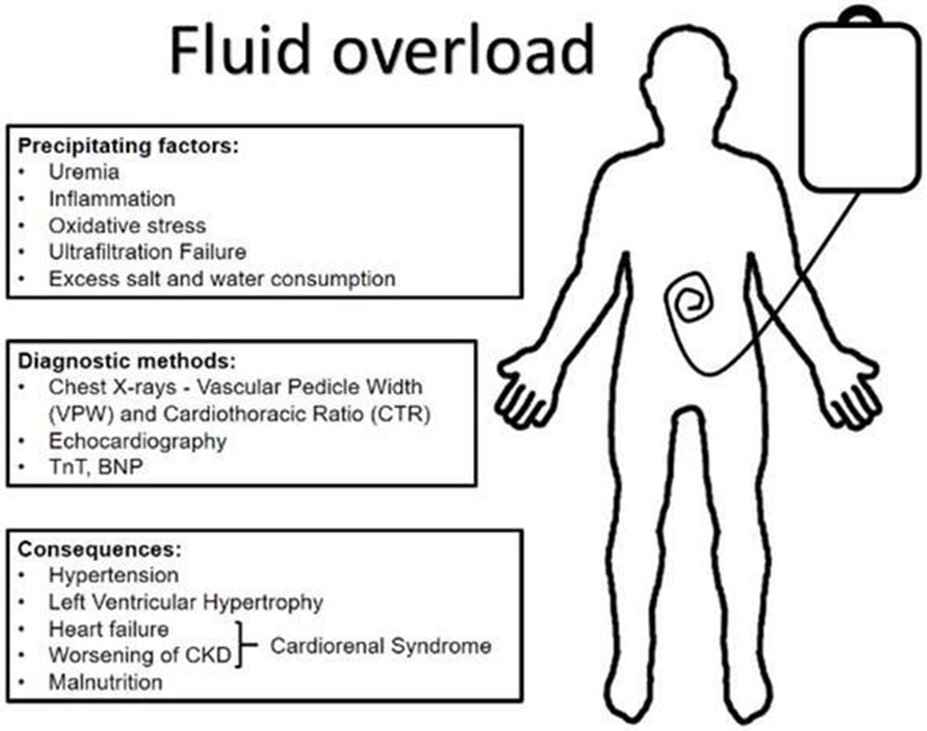
A client is receiving IV fluids at 150 mL/hr. Which of the following findings indicates that the client is experiencing fluid overload?
A. Oliguria
This is incorrect because oliguria, or decreased urine output, is a sign of fluid volume deficit, not fluid volume overload.
B. Bradycardia
This is incorrect because bradycardia, or slow heart rate, is not a typical sign of fluid volume overload, unless the client has a cardiac condition that affects the heart's response to fluid overload.
C. Dyspnea
This is correct because dyspnea, or difficulty breathing, is a common sign of fluid volume overload, as excess fluid accumulates in the lungs and impairs gas exchange.
D. Poor skin turgor
This is incorrect because poor skin turgor, or decreased elasticity of the skin, is a sign of dehydration, not fluid volume overload.
This question is an excerpt from Nurse Dive's nursing test bank - RN Comprehensive Online Practice 2019 B with NGN Proctored Exam. Take the full exam now
Full Explanation
- A. Oliguria. This is incorrect because oliguria, or decreased urine output, is a sign of fluid volume deficit, not fluid volume overload.
- B. Bradycardia. This is incorrect because bradycardia, or slow heart rate, is not a typical sign of fluid volume overload, unless the client has a cardiac condition that affects the heart's response to fluid overload.
- C. Dyspnea. This is correct because dyspnea, or difficulty breathing, is a common sign of fluid volume overload, as excess fluid accumulates in the lungs and impairs gas exchange.
- D. Poor skin turgor. This is incorrect because poor skin turgor, or decreased elasticity of the skin, is a sign of dehydration, not fluid volume overload.
Similar Questions
A nurse manager in a long-term care facility is having difficulty with staffing for weekend shifts and is planning to implement some changes to the scheduling procedure.
Which of the following actions should the nurse manager take first?
A. Form a committee of staff members to investigate current staffing issues.
Forming a committee of staff members to investigate current staffing issues is the first step the nurse manager should take. This is because it is important to understand the root cause of the problem before implementing any changes. The committee can gather data, identify patterns, and provide insights into why staffing for weekend shifts is a challenge. This could involve surveying staff members, reviewing shift patterns, and analyzing workload and patient acuity data. By involving staff members in the process, the nurse manager can ensure that the perspectives and experiences of those directly affected by the staffing issues are taken into account. This approach aligns with the principles of shared governance and participatory management, which have been shown to improve staff satisfaction and retention.
B. Provide support to staff members who are resistant to staffing changes
While providing support to staff members who are resistant to staffing changes is an important part of change management, it is not the first step that should be taken. Resistance to change is often a symptom of deeper issues, such as lack of trust, poor communication, or perceived lack of fairness or respect. By first forming a committee to investigate the staffing issues (Choice A), the nurse manager can gain a better understanding of these underlying issues and address them directly. This can help to reduce resistance when changes are implemented.
C. Schedule a staff meeting to present the different options to staff members
Scheduling a staff meeting to present different options to staff members is a key part of the change process, but it should not be the first step. Before presenting options, it is important to fully understand the problem and consider various possible solutions. This involves investigating the current staffing issues (Choice A) and potentially developing and evaluating different scheduling options. Once this has been done, the options can be presented to staff members for feedback and discussion.
D. Give the staff members advance written notice of staffing changes
Giving staff members advance written notice of staffing changes is a crucial part of transparent and respectful communication. However, it is not the first step in addressing staffing issues. Before any changes can be announced, the nurse manager needs to understand the problem (Choice A), consider possible solutions, and involve staff members in the decision-making process (Choice C). Once a decision has been made, it should be communicated clearly and promptly to all staff members.
Full Explanation
The correct answer is Choice A.
Choice A rationale:
Forming a committee of staff members to investigate current staffing issues is the first step the nurse manager should take. This is because it is important to understand the root cause of the problem before implementing any changes. The committee can gather data, identify patterns, and provide insights into why staffing for weekend shifts is a challenge. This could involve surveying staff members, reviewing shift patterns, and analyzing workload and patient acuity data. By involving staff members in the process, the nurse manager can ensure that the perspectives and experiences of those directly affected by the staffing issues are taken into account. This approach aligns with the principles of shared governance and participatory management, which have been shown to improve staff satisfaction and retention.
Choice B rationale:
While providing support to staff members who are resistant to staffing changes is an important part of change management, it is not the first step that should be taken. Resistance to change is often a symptom of deeper issues, such as lack of trust, poor communication, or perceived lack of fairness or respect. By first forming a committee to investigate the staffing issues (Choice A), the nurse manager can gain a better understanding of these underlying issues and address them directly. This can help to reduce resistance when changes are implemented.
Choice C rationale:
Scheduling a staff meeting to present different options to staff members is a key part of the change process, but it should not be the first step. Before presenting options, it is important to fully understand the problem and consider various possible solutions. This involves investigating the current staffing issues (Choice A) and potentially developing and evaluating different scheduling options. Once this has been done, the options can be presented to staff members for feedback and discussion.
Choice D rationale:
Giving staff members advance written notice of staffing changes is a crucial part of transparent and respectful communication. However, it is not the first step in addressing staffing issues. Before any changes can be announced, the nurse manager needs to understand the problem (Choice A), consider possible solutions, and involve staff members in the decision-making process (Choice C). Once a decision has been made, it should be communicated clearly and promptly to all staff members.
A nurse is caring for four clients. Which of the following tasks should the nurse delegate to an assistive personnel (AP)?
A. Evaluate dietary intake for a client who has anorexia.
Evaluating dietary intake requires nursing judgment and knowledge of nutrition and eating disorders. This task should not be delegated to an AP.
B. Measure the vital signs of a client who just returned from the PACU
Measuring vital signs of a postoperative client requires nursing assessment and monitoring for complications. This task should not be delegated to an AP.
C. Arrange the lunch tray for a client who has a hip fracture.
Arranging the lunch tray for a client who has a hip fracture is a routine task that does not require nursing skills or judgment. This task can be delegated to an AP.
D. Assess I&O for a client who is receiving dialysis.
Assessing I&O for a client who is receiving dialysis requires nursing knowledge of fluid and electrolyte balance and renal function. This task should not be delegated to an AP.
Full Explanation
- A. Incorrect. Evaluating dietary intake requires nursing judgment and knowledge of nutrition and eating disorders. This task should not be delegated to an AP.
- B. Incorrect. Measuring vital signs of a postoperative client requires nursing assessment and monitoring for complications. This task should not be delegated to an AP.
- C. Correct. Arranging the lunch tray for a client who has a hip fracture is a routine task that does not require nursing skills or judgment. This task can be delegated to an AP.
- D. Incorrect. Assessing I&O for a client who is receiving dialysis requires nursing knowledge of fluid and electrolyte balance and renal function. This task should not be delegated to an AP.
A nurse is providing teaching to a client who has a new diagnosis of type 1 diabetes mellitus. The nurse should instruct the client to monitor for which of the following findings as a manifestation of hypoglycemia?
A. Irritability
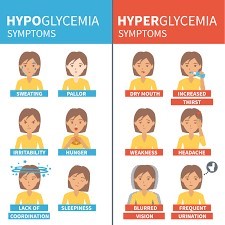
Irritability is one of the signs of hypoglycemia, which occurs when blood glucose levels fall below 70 mg/dL (3.9 mmol/L). Other signs include shakiness, sweating, hunger, headache, confusion, and blurred vision.
B. Increased urination
Increased urination is one of the signs of hyperglycemia, which occurs when blood glucose levels rise above 180 mg/dL (10 mmol/L). Other signs include thirst, dry mouth, fatigue, nausea, and fruity breath odor.
C. Vomiting
Vomiting is not a specific sign of hypoglycemia or hyperglycemia, but it can occur as a complication of either condition if left untreated or poorly managed.
D. Facial flushing
Facial flushing is not a sign of hypoglycemia or hyperglycemia, but it can occur as a side effect of some medications used to treat diabetes, such as niacin or rosiglitazone.
Full Explanation
Irritability.
The rationale for each choice is as follows:
- A. Irritability: Correct. Irritability is one of the signs of hypoglycemia, which occurs when blood glucose levels fall below 70 mg/dL (3.9 mmol/L). Other signs include shakiness, sweating, hunger, headache, confusion, and blurred vision.
- B. Increased urination: Incorrect. Increased urination is one of the signs of hyperglycemia, which occurs when blood glucose levels rise above 180 mg/dL (10 mmol/L). Other signs include thirst, dry mouth, fatigue, nausea, and fruity breath odor.
- C. Vomiting: Incorrect. Vomiting is not a specific sign of hypoglycemia or hyperglycemia, but it can occur as a complication of either condition if left untreated or poorly managed.
- D.Facial flushing: Incorrect. Facial flushing is not a sign of hypoglycemia or hyperglycemia, but it can occur as a side effect of some medications used to treat diabetes, such as niacin or rosiglitazone.