Nursing practice questions with comprehensive rationales
NurseDive Free Nursing Practice Question
A client is scheduled for a spiral computed topography (CT) scan with contrast to evaluate for pulmonary embolism. Which information in the client’s history requires follow-up by the nurse?
A. CT scan that was performed 6 months earlier.
B. Takes metformin hydrochloride for type 2 diabetes.
Metformin is a medication that can affect kidney function. Since contrast dye used in CT scans is processed through the kidneys, it is important for the nurse to follow up on the client’s use of metformin before the CT scan with contrast. The client may need to temporarily stop taking metformin before and after the procedure to prevent any potential harm to their kidneys.
C. Metal hip prosthesis was placed two years ago.
D. Report on client’s sobriety for the last five years.
This question is an excerpt from Nurse Dive's nursing test bank - HESI Pharmacology Proctored Exam. Take the full exam now
Full Explanation
Metformin is a medication that can affect kidney function. Since contrast dye used in CT scans is processed through the kidneys, it is important for the nurse to follow up on the client’s use of metformin before the CT scan with contrast. The client may need to temporarily stop taking metformin before and after the procedure to prevent any potential harm to their kidneys.
Similar Questions
A client with psychosis who is receiving an antipsychotic medication is continuously rubbing the back of the neck. Which nursing intervention is best for the nurse to implement?
A. Obtain an extra pillow for the client to use at night.
B. Provide the client with a heating pad to place around the neck.
C. Give PRN prescription for benztropine.
Continuous rubbing of the back of the neck can be a side effect of antipsychotic medication, known as acute dystonia. Benztropine is an anticholinergic medication that can effectively treat acute dystonia. Therefore, the nurse should give a PRN prescription for benztropine to relieve the client's discomfort. Options a, b, and d do not address the underlying issue of acute dystonia and are not the best interventions for this particular situation.
D. Obtain a prescription for physical therapy services.
Full Explanation
Continuous rubbing of the back of the neck can be a side effect of antipsychotic medication, known as acute dystonia. Benztropine is an anticholinergic medication that can effectively treat acute dystonia. Therefore, the nurse should give a PRN prescription for benztropine to relieve the client's discomfort. Options a, b, and d do not address the underlying issue of acute dystonia and are not the best interventions for this particular situation.
An older adult with iron deficiency anemia is being discharged with a prescription for ferrous sulfate enteric-coated tablets. To promote the best absorption of the medication, which information should the nurse include in the discharge instructions?
A. Take a tablet with a daily multivitamin.
B. Crush the tablets and mix with pudding.
C. Bedtime is the best time to take the tablet.
D. Wait for 2 hours after meals to take the tablet.
Ferrous sulfate is best absorbed on an empty stomach. The nurse should instruct the client to wait for 2 hours after meals before taking the tablet to promote the best absorption of the medication. The client should also be advised not to crush the enteric-coated tablets as this can affect the medication’s effectiveness.
Full Explanation
Ferrous sulfate is best absorbed on an empty stomach. The nurse should instruct the client to wait for 2 hours after meals before taking the tablet to promote the best absorption of the medication. The client should also be advised not to crush the enteric-coated tablets as this can affect the medication’s effectiveness.

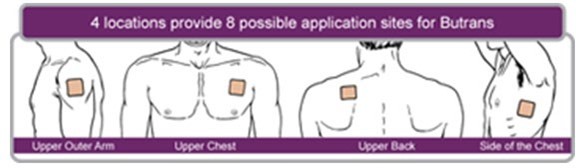
The nurse admits a client with a diagnosis of stage 4 cancer. The client has a prescription to wear a subcutaneous morphine sulfate patch for pain. The client is short of breath and difficult to arouse.
While performing a head-to-toe assessment, the nurse discovers four patches on the client’s body. Which action should the nurse take first?
A. Remove the morphine patches.
The client’s symptoms of being short of breath and difficult to arouse may indicate an overdose of morphine. The nurse should immediately remove the patches to prevent further absorption of the drug. After removing the patches, the nurse should continue to assess the client’s condition and take further actions as needed, such as administering a narcotic reversal drug or providing oxygen.
B. Monitor blood pressure.
C. Apply oxygen face mask.
D. Administer a narcotic reversal drug.
Full Explanation
The client’s symptoms of being short of breath and difficult to arouse may indicate an overdose of morphine. The nurse should immediately remove the patches to prevent further absorption of the drug. After removing the patches, the nurse should continue to assess the client’s condition and take further actions as needed, such as administering a narcotic reversal drug or providing oxygen.