Nursing practice questions with comprehensive rationales
NurseDive Free Nursing Practice Question
A client receives a prescription for acetaminophen 1,000 mg by mouth every 8 hours as needed for pain. The bottle is labeled "Acetaminophen for Oral Suspension, USP 500 mg per 15 mL." How many tablespoons should the nurse instruct the client to take with each dose? (Enter numerical value only.)
This question is an excerpt from Nurse Dive's nursing test bank - HESI Exit LPN Proctored Exam 1. Take the full exam now
Full Explanation
Rationale: The nurse should calculate the dose based on the concentration of the medication. Since the suspension contains 500 mg of acetaminophen per 15 mL, a 1,000 mg dose requires 30 mL (2 tablespoons) of the suspension.
Similar Questions
Patient Data
Which are the nurse's best responses? Select all that apply.
A. "Hyperglycemia often results in weight loss."
Incorrect - Hyperglycemia typically does not lead to weight loss. In fact, it can result in weight gain due to the body's inability to properly use glucose for energy.
B. "Hyperglycemia causes an increased sensation of being hungry."
Correct - Hyperglycemia can lead to an increased sensation of hunger as the body's cells are not effectively receiving the glucose they need for energy, causing the person to feel hungry.
C. "Hyperglycemia causes cool and clammy skin."
Incorrect - Cool and clammy skin are not typical symptoms of hyperglycemia. Hyperglycemia can lead to dry skin, but it does not cause cool and clammy skin.
D. "Hyperglycemia often presents as increased thirst and urination."
Correct - Hyperglycemia often leads to increased thirst and urination. Excess glucose in the blood can cause the kidneys to work harder to filter and eliminate the glucose, leading to increased fluid intake and subsequently increased urination.
E. "Hyperglycemia causes a headache and flushed, dry skin."
Hyperglycemia can cause dehydration, leading to dry, flushed skin and sometimes headaches due to electrolyte imbalances and reduced blood flow to the brain.
Full Explanation
A) Incorrect - Hyperglycemia typically does not lead to weight loss. In fact, it can result in weight gain due to the body's inability to properly use glucose for energy.
B) Correct - Hyperglycemia can lead to an increased sensation of hunger as the body's cells are not effectively receiving the glucose they need for energy, causing the person to feel hungry.
C) Incorrect - Cool and clammy skin are not typical symptoms of hyperglycemia. Hyperglycemia can lead to dry skin, but it does not cause cool and clammy skin.
D) Correct - Hyperglycemia often leads to increased thirst and urination. Excess glucose in the blood can cause the kidneys to work harder to filter and eliminate the glucose, leading to increased fluid intake and subsequently increased urination.
E) Hyperglycemia can cause dehydration, leading to dry, flushed skin and sometimes headaches due to electrolyte imbalances and reduced blood flow to the brain.
Patient Data
Which 3 responses should the diabetic nurse educator provide?
A. Drink between 8 to 10 cups (1.9 to 2.4 liters) of fluids daily.
Incorrect- While hydration is important, this response doesn't directly address the client's question about the content and timing of meals.
B. Choose complex carbohydrates that are high in fiber content.
Correct- Complex carbohydrates high in fiber content have a slower impact on blood glucose levels, promoting better glycemic control.
C. Eliminate the bedtime snack if heartburn develops after eating.
Correct- Bedtime snacks can be helpful to prevent nighttime hypoglycemia, but if heartburn develops, it may be necessary to modify the timing or content of the snack.
D. Increase the percentage of protein in the diet if anemia develops.
Incorrect- This response is not directly related to managing blood glucose levels or gestational diabetes.
E. Avoid foods high in refined sugars.
Correct- Refined sugars can cause rapid spikes in blood glucose levels, so avoiding them helps maintain stable glycemic control.
Full Explanation
A) Incorrect- While hydration is important, this response doesn't directly address the client's question about the content and timing of meals.
B) Correct- Complex carbohydrates high in fiber content have a slower impact on blood glucose levels, promoting better glycemic control.
C) Correct- Bedtime snacks can be helpful to prevent nighttime hypoglycemia, but if heartburn develops, it may be necessary to modify the timing or content of the snack.
D) Incorrect- This response is not directly related to managing blood glucose levels or gestational diabetes.
E) Correct- Refined sugars can cause rapid spikes in blood glucose levels, so avoiding them helps maintain stable glycemic control.
The client is a 32-year-old multigravida at 28 weeks' gestation, who presents to the obstetrician's office for a routine has given burn three times; once at 35 weeks (twins), once at 38 weeks (singleton) and once at 41 weeks (singleton). All of these children are alive and well. She had one spontaneous abortion at 10 weeks' gestation. Her fourth child weighed 9 pounds (4.08 kg) at 41 weeks gestation.
The client is at 28 weeks. She has been receiving prenatal care since 8 weeks gestation. Her fasting 1-hour glucose screening level, which was done 1 week prior, is 164 mg/dL (9.1 mmol/L). Her 3-hour oral glucose tolerance test results reveal a fasting blood sugar of 168 mg/dL (9.3 mmol and a two-hour postprandial of 220 mg/dL (12...mol/L).
Scheduled the client to meet with the obstetrician, Diabetic Nurse Educator, and a Registered Dietician for the next day. After a discussion about gestational diabetes and seeking the client's input, a suggested plan of care is outlined, which includes dietary control and glucose self-monitoring.
The registered dietician (RD) discusses the need to
Choose the most likely options for the information missing from the statement(s) by selecting from the lists of options provided.
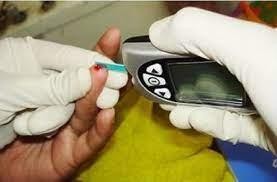
The diabetic nurse educator instructs the client to perform fingerstick blood glucose (FSBG) monitoring Select Response
A. of the night at bedtime and in the middle
Incorrect- While bedtime monitoring is important, the frequency described in this choice is not consistent with FSBG monitoring before meals.
B. prior to each meal
Correct- Performing FSBG monitoring before each meal helps the client track her blood glucose levels before consuming food, allowing her to adjust her diet or insulin regimen if necessary.
C. every two hours throughout the day
Incorrect- Monitoring every two hours may be excessive and not necessary for managing gestational diabetes.
D. during the middle of the night
Incorrect- Monitoring during the night is important for glycemic control, but it doesn't specifically address the need to monitor before meals.
Full Explanation
A) Incorrect- While bedtime monitoring is important, the frequency described in this choice is not consistent with FSBG monitoring before meals.
B) Correct- Performing FSBG monitoring before each meal helps the client track her blood glucose levels before consuming food, allowing her to adjust her diet or insulin regimen if necessary.
C) Incorrect- Monitoring every two hours may be excessive and not necessary for managing gestational diabetes.
D) Incorrect- Monitoring during the night is important for glycemic control, but it doesn't specifically address the need to monitor before meals.