
Nursing practice questions with comprehensive rationales
NurseDive Free Nursing Practice Question
A client reports experiencing chronic headaches after a recent upper respiratory tract infection. On physical examination, the nurse notes tenderness when palpating over the sinuses. Which condition is likely?
A. Rhinitis medicamentosa
Rhinitis medicamentosa, also known as rebound congestion, is a condition of nasal congestion without other cold or allergy symptoms, typically caused by the overuse of nasal decongestant sprays. It does not usually present with chronic headaches or tenderness over the sinuses, which are more indicative of sinusitis.
B. Acute bacterial sinusitis
Acute bacterial sinusitis is likely the correct diagnosis in this scenario. It often follows a viral upper respiratory infection and presents with symptoms such as thick, discolored nasal mucus, decreased sense of smell, and facial pain or tenderness over the affected sinuses. The chronic headache and noted tenderness upon palpation over the sinuses in the client are consistent with this condition.
C. Epistaxis
Epistaxis, or nosebleed, is bleeding from the nose that can be caused by various factors, including trauma, medication, or environmental conditions. While it can be a symptom of other nasal conditions, it is not typically associated with chronic headaches or sinus tenderness following an upper respiratory infection.
D. Allergic rhinitis
Allergic rhinitis is an allergic reaction to allergens such as pollen, dust, or pet dander, causing symptoms like sneezing, runny nose, itchy eyes, and sometimes headaches. However, the chronic headache and sinus tenderness described by the client after an infection are more suggestive of sinusitis rather than allergic rhinitis.
This question is an excerpt from Nurse Dive's nursing test bank - Ati Fundamentals Assessment Proctored Exam Midterm. Take the full exam now
Full Explanation
Choice A Reason:
Rhinitis medicamentosa, also known as rebound congestion, is a condition of nasal congestion without other cold or allergy symptoms, typically caused by the overuse of nasal decongestant sprays. It does not usually present with chronic headaches or tenderness over the sinuses, which are more indicative of sinusitis.
Choice B Reason:
Acute bacterial sinusitis is likely the correct diagnosis in this scenario. It often follows a viral upper respiratory infection and presents with symptoms such as thick, discolored nasal mucus, decreased sense of smell, and facial pain or tenderness over the affected sinuses. The chronic headache and noted tenderness upon palpation over the sinuses in the client are consistent with this condition.
Choice C Reason:
Epistaxis, or nosebleed, is bleeding from the nose that can be caused by various factors, including trauma, medication, or environmental conditions. While it can be a symptom of other nasal conditions, it is not typically associated with chronic headaches or sinus tenderness following an upper respiratory infection.
Choice D Reason:
Allergic rhinitis is an allergic reaction to allergens such as pollen, dust, or pet dander, causing symptoms like sneezing, runny nose, itchy eyes, and sometimes headaches. However, the chronic headache and sinus tenderness described by the client after an infection are more suggestive of sinusitis rather than allergic rhinitis.
Similar Questions
A nurse is assessing a client who has hypothyroidism. The nurse should expect which of the following findings?
A. Palpitations
Palpitations are typically associated with hyperthyroidism, not hypothyroidism. They occur due to an excess of thyroid hormones, which can overstimulate the heart, leading to increased heart rate and palpitations. In hypothyroidism, the heart rate is usually slower, and palpitations are less common.
B. Diaphoresis
Diaphoresis, or excessive sweating, is also more commonly associated with hyperthyroidism. In hypothyroidism, the metabolism is slowed down, which reduces the tendency for increased sweating. Patients with hypothyroidism may actually have less sweating than normal.
C. Weight gain
Weight gain is a common symptom of hypothyroidism. Due to the decreased metabolic rate caused by low levels of thyroid hormones, the body burns fewer calories, which can lead to weight gain. This is one of the hallmark signs of hypothyroidism and is often one of the first symptoms patients notice.
D. Exophthalmos
Exophthalmos, the protrusion of the eyes, is a symptom associated with Graves' disease, a form of hyperthyroidism. It is not a symptom of hypothyroidism. In hypothyroidism, any eye changes are usually related to puffiness or edema around the eyes, not the bulging of the eyes themselves.
Full Explanation
Choice A Reason:
Palpitations are typically associated with hyperthyroidism, not hypothyroidism. They occur due to an excess of thyroid hormones, which can overstimulate the heart, leading to increased heart rate and palpitations. In hypothyroidism, the heart rate is usually slower, and palpitations are less common.
Choice B Reason:
Diaphoresis, or excessive sweating, is also more commonly associated with hyperthyroidism. In hypothyroidism, the metabolism is slowed down, which reduces the tendency for increased sweating. Patients with hypothyroidism may actually have less sweating than normal.
Choice C Reason:
Weight gain is a common symptom of hypothyroidism. Due to the decreased metabolic rate caused by low levels of thyroid hormones, the body burns fewer calories, which can lead to weight gain. This is one of the hallmark signs of hypothyroidism and is often one of the first symptoms patients notice.
Choice D Reason:
Exophthalmos, the protrusion of the eyes, is a symptom associated with Graves' disease, a form of hyperthyroidism. It is not a symptom of hypothyroidism. In hypothyroidism, any eye changes are usually related to puffiness or edema around the eyes, not the bulging of the eyes themselves.
A client has arrived at the clinic for a routine physical examination. Prior to assessing the client's blood pressure, what should the nurse do?
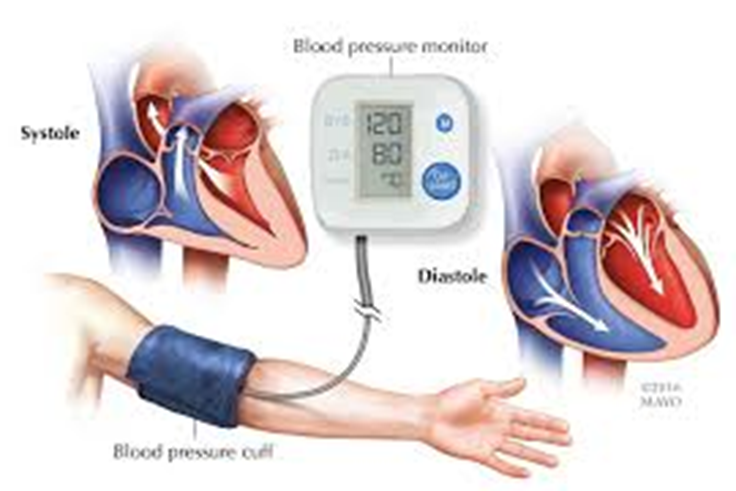
A. Position the arm so that it is below waist level.
Positioning the arm below waist level is not recommended when measuring blood pressure. It can result in an inaccurate reading, typically showing a higher blood pressure due to the effects of gravity on the blood column. The arm should be positioned at heart level for an accurate measurement.
B. Palpate the radial artery to confirm a pulse is present.
While palpating the radial artery to confirm a pulse is present is part of the overall assessment of circulation, it is not a necessary step immediately before measuring blood pressure. The focus should be on ensuring the client is in the correct position and is relaxed to avoid any factors that might artificially alter the blood pressure reading.
C. Ask the client to sit quietly in a chair for 5 minutes.
Asking the client to sit quietly in a chair for 5 minutes is the correct procedure before measuring blood pressure. This allows the client's heart rate and blood pressure to stabilize, providing a more accurate measurement. Any activity or stress can temporarily raise blood pressure, so this quiet time is crucial.
D. Make sure the arm selected is covered with clothing.
The arm selected for blood pressure measurement should not be covered with clothing. Clothing can constrict the blood pressure cuff and interfere with the accuracy of the reading. The cuff should be placed on bare skin to ensure it inflates and deflates correctly and that the stethoscope can accurately detect the sounds of the blood flow.
Full Explanation
Choice A Reason:
Positioning the arm below waist level is not recommended when measuring blood pressure. It can result in an inaccurate reading, typically showing a higher blood pressure due to the effects of gravity on the blood column. The arm should be positioned at heart level for an accurate measurement.
Choice B Reason:
While palpating the radial artery to confirm a pulse is present is part of the overall assessment of circulation, it is not a necessary step immediately before measuring blood pressure. The focus should be on ensuring the client is in the correct position and is relaxed to avoid any factors that might artificially alter the blood pressure reading.
Choice C Reason:
Asking the client to sit quietly in a chair for 5 minutes is the correct procedure before measuring blood pressure. This allows the client's heart rate and blood pressure to stabilize, providing a more accurate measurement. Any activity or stress can temporarily raise blood pressure, so this quiet time is crucial.
Choice D Reason:
The arm selected for blood pressure measurement should not be covered with clothing. Clothing can constrict the blood pressure cuff and interfere with the accuracy of the reading. The cuff should be placed on bare skin to ensure it inflates and deflates correctly and that the stethoscope can accurately detect the sounds of the blood flow.
What cranial nerve is responsible for the taste sensation of the posterior third of the tongue?
A. Facial
The facial nerve, or cranial nerve VII, is responsible for the taste sensation in the anterior two-thirds of the tongue, not the posterior third. It carries taste sensations from the front part of the tongue via the chorda tympani branch.
B. Abducens
The abducens nerve, or cranial nerve VI, has no role in taste sensation. It is primarily involved in controlling the lateral rectus muscle of the eye, which abducts the eye.
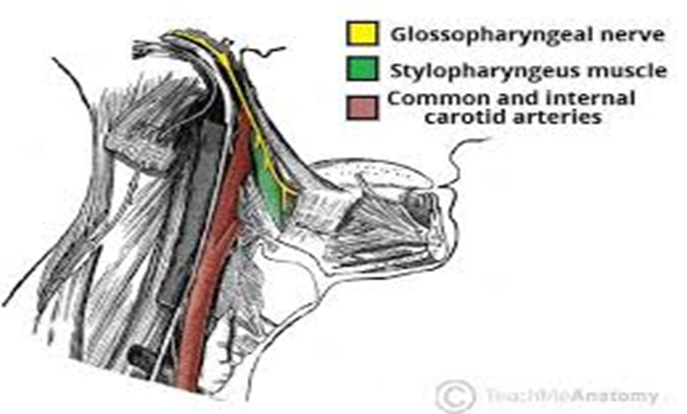
C. Glossopharyngeal
The glossopharyngeal nerve, or cranial nerve IX, provides special sensory innervation for taste to the posterior third of the tongue. This enables the sensation of various tastes like salty, sweet, sour, and bitter in this region.
D. Hypoglossal
The hypoglossal nerve, or cranial nerve XII, is responsible for motor control of the tongue muscles but does not provide sensory innervation for taste.
Full Explanation
Choice A Reason:
The facial nerve, or cranial nerve VII, is responsible for the taste sensation in the anterior two-thirds of the tongue, not the posterior third. It carries taste sensations from the front part of the tongue via the chorda tympani branch.
Choice B Reason:
The abducens nerve, or cranial nerve VI, has no role in taste sensation. It is primarily involved in controlling the lateral rectus muscle of the eye, which abducts the eye.
Choice C Reason:
The glossopharyngeal nerve, or cranial nerve IX, provides special sensory innervation for taste to the posterior third of the tongue. This enables the sensation of various tastes like salty, sweet, sour, and bitter in this region.
Choice D Reason:
The hypoglossal nerve, or cranial nerve XII, is responsible for motor control of the tongue muscles but does not provide sensory innervation for taste.