Nursing practice questions with comprehensive rationales
NurseDive Free Nursing Practice Question
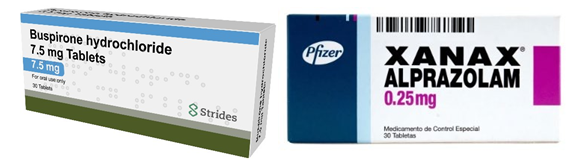
A client tells the nurse. "l wanted my health care provider to prescribe alprazolam (Xanax) for my anxiety disorder but buspirone (Buspar) was prescribed instead. Why?" The registered nurse's reply should be based on that buspirone:
Select one:
A. has faster Start of acting than diazepam.
B. does not produce blood dyscrasias or low WBC count.
C. does not cause dependence and benzodiazepines cause dependence.
Buspirone and benzodiazepines are both medications used to treat anxiety disorders, but they work in different ways. Benzodiazepines like Xanax work by enhancing the effects of a neurotransmitter called GABA, which can produce a sense of relaxation and calmness. However, benzodiazepines can also cause dependence, tolerance, and withdrawal symptoms when used for a prolonged period. On the other hand, buspirone works by binding to serotonin and dopamine receptors in the brain, which can reduce anxiety. Unlike benzodiazepines, buspirone does not cause dependence, tolerance, or withdrawal symptoms, which makes it a safer option for long-term treatment of anxiety disorders. Therefore, the healthcare provider may have prescribed buspirone instead of alprazolam because it is a safer alternative for long-term use, especially for individuals who have a history of substance abuse or dependence. The nurse should explain the benefits of buspirone and address any concerns the client may have about the medication.
D. can be administered as needed (PRN) only when you feel very anxious
This question is an excerpt from Nurse Dive's nursing test bank - Mental Health - Proctored Exam 2. Take the full exam now
Full Explanation
Buspirone and benzodiazepines are both medications used to treat anxiety disorders, but they work in different ways. Benzodiazepines like Xanax work by enhancing the effects of a neurotransmitter called GABA, which can produce a sense of relaxation and calmness. However, benzodiazepines can also cause dependence, tolerance, and withdrawal symptoms when used for a prolonged period.
On the other hand, buspirone works by binding to serotonin and dopamine receptors in the brain, which can reduce anxiety. Unlike benzodiazepines, buspirone does not cause dependence, tolerance, or withdrawal symptoms, which makes it a safer option for long-term treatment of anxiety disorders.
Therefore, the healthcare provider may have prescribed buspirone instead of alprazolam because it is a safer alternative for long-term use, especially for individuals who have a history of substance abuse or dependence. The nurse should explain the benefits of buspirone and address any concerns the client may have about the medication.
Similar Questions
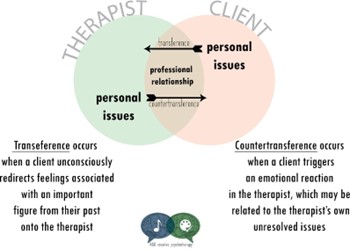
A registered nurse assesses a confused older adult, The nurse experiences sadness and reflects. "The patient is like one of my grandparents, so helpless." What feelings does the nurse describe?
Select one:
A. Sublimation
B. Transference
C. Counter transference
Countertransference refers to the feelings and emotions that a healthcare provider may have towards a patient. In this case, the nurse is experiencing sadness and reflecting on their own personal experiences with their grandparents while assessing the confused older adult. This can lead to the nurse projecting their own feelings and emotions onto the patient.
D. Repression
Full Explanation
Countertransference refers to the feelings and emotions that a healthcare provider may have towards a patient. In this case, the nurse is experiencing sadness and reflecting on their own personal experiences with their grandparents while assessing the confused older adult. This can lead to the nurse projecting their own feelings and emotions onto the patient.
Group therapy is encouraged but not mandatory. on an inpatient psychiatric unit, the unit manager's policy is that clients can make a choice about whether or not to attend group therapy.
Which ethical principle does the unit manager preserve?
A. Non-maleficence
B. Beneficence
C. Justice
D. Autonomy
Autonomy is the ethical principle that upholds an individual's right to self-determination and decision- making regarding their own life and treatment. In this case, the unit manager's policy of allowing clients to make their own choice about whether or not to attend group therapy preserves the principle of autonomy. By not mandating group therapy, the unit manager respects the clients' right to make decisions about their own treatment and encourages them to participate in a way that feels comfortable and aligned with their own goals and values. This promotes a sense of empowerment and self-efficacy in clients, which is important for their overall recovery and well-being. While beneficence, non-maleficence, and justice are also important ethical principles in healthcare, they are not directly applicable to this particular situation.
Full Explanation
Autonomy is the ethical principle that upholds an individual's right to self-determination and decision- making regarding their own life and treatment. In this case, the unit manager's policy of allowing clients to make their own choice about whether or not to attend group therapy preserves the principle of autonomy.
By not mandating group therapy, the unit manager respects the clients' right to make decisions about their own treatment and encourages them to participate in a way that feels comfortable and aligned with their own goals and values. This promotes a sense of empowerment and self-efficacy in clients, which is important for their overall recovery and well-being.
While beneficence, non-maleficence, and justice are also important ethical principles in healthcare, they are not directly applicable to this particular situation.
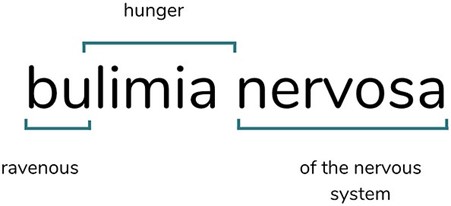
Which best describes a characteristic of bulimia nervosa?
A. Always avoiding social gatherings and family meals
Avoiding social gatherings and family meals is a characteristic of social anxiety disorder, not bulimia nervosa.
B. Bingeing on unhealthy food and purging after, to induce vomiting.
Bulimia nervosa is an eating disorder characterized by recurrent episodes of binge eating followed by inappropriate compensatory behaviors such as self-induced vomiting, misuse of laxatives or diuretics, fasting, or excessive exercise. Binge eating refers to the consumption of an abnormally large amount of food within a short period, accompanied by a feeling of loss of control overeating. After bingeing, individuals with bulimia nervosa feel guilty, ashamed, and anxious about their behavior, and try to compensate by purging. Options a, c, and d are incorrect as they do not accurately describe the characteristic features of bulimia nervosa.
C. Restricting caloric intake all the time
Restricting caloric intake all the time is a characteristic of anorexia nervosa, a different type of eating disorder.
D. Following a very strict diet and exercise program
Following a strict diet and exercise program is not necessarily a characteristic of bulimia nervosa, although some individuals with bulimia nervosa may engage in excessive exercise as a compensatory behavior.
Full Explanation
Bulimia nervosa is an eating disorder characterized by recurrent episodes of binge eating followed by inappropriate compensatory behaviors such as self-induced vomiting, misuse of laxatives or diuretics, fasting, or excessive exercise. Binge eating refers to the consumption of an abnormally large amount of food within a short period, accompanied by a feeling of loss of control overeating. After bingeing, individuals with bulimia nervosa feel guilty, ashamed, and anxious about their behavior, and try to compensate by purging.
Options a, c, and d are incorrect as they do not accurately describe the characteristic features of bulimia nervosa.
Avoiding social gatherings and family meals is a characteristic of social anxiety disorder, not bulimia nervosa. Restricting caloric intake all the time is a characteristic of anorexia nervosa, a different type of eating disorder. Following a strict diet and exercise program is not necessarily a characteristic of bulimia nervosa, although some individuals with bulimia nervosa may engage in excessive exercise as a compensatory behavior.