
Nursing practice questions with comprehensive rationales
NurseDive Free Nursing Practice Question
A client who has had long standing hypertension has been prescribed a clonidine patch. Which discharge instruction should the nurse provide?
A. Place the patch on the anterior chest.
Placing the patch on the anterior chest is not the best discharge instruction for this client. Clonidine is a drug that lowers blood pressure by stimulating alpha-2 receptors in the brain. ¹ The patch delivers the drug through the skin and into the bloodstream. ² The patch should be applied to a hairless area on the upper arm or torso, not the chest, to ensure proper absorption and avoid irritation. ³
B. Remove the patch if a headache develops.
Removing the patch if a headache develops is not a good discharge instruction for this client. Headache is a common side effect of clonidine, especially when starting or changing the dose. ² Removing the patch abruptly may cause a rebound increase in blood pressure, which can be dangerous. ³ The client should keep the patch on for 7 days, unless instructed otherwise by the provider, and report any severe or persistent headaches.
C. Rotate the application sites and inspect the skin.
Rotating the application sites and inspecting the skin is the best discharge instruction for this client. Rotating the sites helps prevent skin irritation and allergic reactions from the patch. ³ Inspecting the skin helps detect any signs of infection, inflammation, or rash that may require medical attention. The client should also wash the old site with soap and water after removing the patch. ²
D. Monitor weight on a daily basis.
Monitoring weight on a daily basis is not a necessary discharge instruction for this client. Weight is not a sensitive indicator of the effectiveness or safety of clonidine therapy. Weight may be monitored periodically to assess the client's fluid status and possible signs of heart failure, which clonidine can help prevent. ¹ However, this is not a priority action for the client using the patch.
This question is an excerpt from Nurse Dive's nursing test bank - Ati Med Surg Nursing 200 Proctored Exam. Take the full exam now
Full Explanation
Choice A reason: Placing the patch on the anterior chest is not the best discharge instruction for this client. Clonidine is a drug that lowers blood pressure by stimulating alpha-2 receptors in the brain. ¹ The patch delivers the drug through the skin and into the bloodstream. ² The patch should be applied to a hairless area on the upper arm or torso, not the chest, to ensure proper absorption and avoid irritation. ³
Choice B reason: Removing the patch if a headache develops is not a good discharge instruction for this client. Headache is a common side effect of clonidine, especially when starting or changing the dose. ² Removing the patch abruptly may cause a rebound increase in blood pressure, which can be dangerous. ³ The client should keep the patch on for 7 days, unless instructed otherwise by the provider, and report any severe or persistent headaches.
Choice C reason: Rotating the application sites and inspecting the skin is the best discharge instruction for this client. Rotating the sites helps prevent skin irritation and allergic reactions from the patch. ³ Inspecting the skin helps detect any signs of infection, inflammation, or rash that may require medical attention. The client should also wash the old site with soap and water after removing the patch. ²
Choice D reason: Monitoring weight on a daily basis is not a necessary discharge instruction for this client. Weight is not a sensitive indicator of the effectiveness or safety of clonidine therapy. Weight may be monitored periodically to assess the client's fluid status and possible signs of heart failure, which clonidine can help prevent. ¹ However, this is not a priority action for the client using the patch.
Similar Questions
The nurse is reviewing the past medical history of a group of clients. Which client would the nurse suspect as having folic acid deficiency? The:
A. 68-year-old male who smokes one pack of cigarettes per day.
The 68-year-old male who smokes one pack of cigarettes per day is not likely to have folic acid deficiency. Smoking can increase the risk of many health problems, such as lung cancer, heart disease, and stroke, but it does not affect the absorption or metabolism of folic acid. ¹ Folic acid is a type of vitamin B that is essential for the production of red blood cells and DNA. ²
B. 47-year-old male construction foreman who takes atenolol.
The 47-year-old male construction foreman who takes atenolol is not likely to have folic acid deficiency. Atenolol is a drug that lowers blood pressure and heart rate by blocking the effects of adrenaline. ³ It does not interfere with the absorption or metabolism of folic acid.
C. 35-year-old female who drinks a glass of wine with dinner.
The 35-year-old female who drinks a glass of wine with dinner is not likely to have folic acid deficiency. Moderate alcohol consumption, defined as one drink per day for women and two drinks per day for men, does not affect the absorption or metabolism of folic acid. However, excessive alcohol intake can impair the absorption of folic acid from the intestine and increase its excretion from the urine, leading to folic acid deficiency.
D. 43-year-old female with Crohn's disease.
The 43-year-old female with Crohn's disease is the most likely to have folic acid deficiency. Crohn's disease is a chronic inflammatory condition that affects the digestive tract, causing symptoms such as diarrhea, abdominal pain, and weight loss. Crohn's disease can impair the absorption of folic acid from the intestine, especially if the disease affects the small intestine, where most of the folic acid is absorbed. Crohn's disease can also increase the demand for folic acid, as inflammation and tissue damage require more folic acid for repair and regeneration.
Full Explanation
Choice A reason: The 68-year-old male who smokes one pack of cigarettes per day is not likely to have folic acid deficiency. Smoking can increase the risk of many health problems, such as lung cancer, heart disease, and stroke, but it does not affect the absorption or metabolism of folic acid. ¹ Folic acid is a type of vitamin B that is essential for the production of red blood cells and DNA. ²
Choice B reason: The 47-year-old male construction foreman who takes atenolol is not likely to have folic acid deficiency. Atenolol is a drug that lowers blood pressure and heart rate by blocking the effects of adrenaline. ³ It does not interfere with the absorption or metabolism of folic acid.
Choice C reason: The 35-year-old female who drinks a glass of wine with dinner is not likely to have folic acid deficiency. Moderate alcohol consumption, defined as one drink per day for women and two drinks per day for men, does not affect the absorption or metabolism of folic acid. However, excessive alcohol intake can impair the absorption of folic acid from the intestine and increase its excretion from the urine, leading to folic acid deficiency.
Choice D reason: The 43-year-old female with Crohn's disease is the most likely to have folic acid deficiency. Crohn's disease is a chronic inflammatory condition that affects the digestive tract, causing symptoms such as diarrhea, abdominal pain, and weight loss. Crohn's disease can impair the absorption of folic acid from the intestine, especially if the disease affects the small intestine, where most of the folic acid is absorbed. Crohn's disease can also increase the demand for folic acid, as inflammation and tissue damage require more folic acid for repair and regeneration.
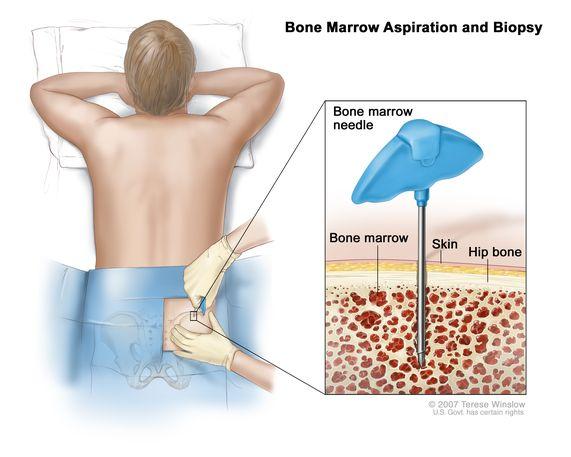
The nurse understands that a client who has had a bone marrow aspiration to assist in the diagnosis of aplastic anemia requires additional teaching when they state:
A. I can have aspirin 650 mg for pain when the procedure is over.
The client requires additional teaching if they state that they can have aspirin for pain after the bone marrow aspiration. Aspirin is a drug that inhibits platelet aggregation and increases the risk of bleeding. ¹ The client should avoid aspirin and other nonsteroidal anti-inflammatory drugs (NSAIDs) for at least 48 hours after the procedure. ² The client should use acetaminophen or another pain reliever that does not affect blood clotting.
B. The nurse will check the puncture site at least every 4 hours after the procedure.
The client does not require additional teaching if they state that the nurse will check the puncture site at least every 4 hours after the procedure. This is a correct statement, as the nurse should monitor the site for signs of bleeding, infection, or hematoma. ² The nurse should also apply pressure and a sterile dressing to the site and instruct the client to keep it dry and clean for 24 hours.
C. I will have some pain that is similar to a toothache.
The client does not require additional teaching if they state that they will have some pain that is similar to a toothache. This is a correct statement, as the client may experience mild to moderate pain at the site of the aspiration, which may radiate to the hip or back. ² The pain usually subsides within a few hours or days.
D. I understand that this is a sterile procedure.
The client does not require additional teaching if they state that they understand that this is a sterile procedure. This is a correct statement, as the bone marrow aspiration is performed under sterile conditions to prevent infection. ² The nurse should wear gloves, gown, mask, and eye protection and use a sterile needle, syringe, and antiseptic solution.
Full Explanation
Choice A reason: The client requires additional teaching if they state that they can have aspirin for pain after the bone marrow aspiration. Aspirin is a drug that inhibits platelet aggregation and increases the risk of bleeding. ¹ The client should avoid aspirin and other nonsteroidal anti-inflammatory drugs (NSAIDs) for at least 48 hours after the procedure. ² The client should use acetaminophen or another pain reliever that does not affect blood clotting.
Choice B reason: The client does not require additional teaching if they state that the nurse will check the puncture site at least every 4 hours after the procedure. This is a correct statement, as the nurse should monitor the site for signs of bleeding, infection, or hematoma. ² The nurse should also apply pressure and a sterile dressing to the site and instruct the client to keep it dry and clean for 24 hours.
Choice C reason: The client does not require additional teaching if they state that they will have some pain that is similar to a toothache. This is a correct statement, as the client may experience mild to moderate pain at the site of the aspiration, which may radiate to the hip or back. ² The pain usually subsides within a few hours or days.
Choice D reason: The client does not require additional teaching if they state that they understand that this is a sterile procedure. This is a correct statement, as the bone marrow aspiration is performed under sterile conditions to prevent infection. ² The nurse should wear gloves, gown, mask, and eye protection and use a sterile needle, syringe, and antiseptic solution.
A client has little use of the left side due to a stroke. To assist with ambulation for the first time, the nurse should walk:
A. directly in front of the client.
This is incorrect. Walking directly in front of the client may block their view and increase their risk of falling. The nurse should walk to the side and slightly behind the client to provide support and guidance³.
B. along the affected left side.
This is correct. Walking along the affected left side allows the nurse to assist the client with balance, weight shifting, and foot clearance. The nurse should also encourage the client to use the handrail on their strong side³.
C. directly behind the client.
This is incorrect. Walking directly behind the client may not allow the nurse to see the client's gait pattern or intervene quickly if the client loses balance. The nurse should walk to the side and slightly behind the client to monitor and assist them³.
D. along the unaffected right side.
This is incorrect. Walking along the unaffected right side may not provide adequate support or protection for the client's affected side. The nurse should walk along the affected left side to help the client with their hemiplegic gait³.
Full Explanation
Choice A reason: This is incorrect. Walking directly in front of the client may block their view and increase their risk of falling. The nurse should walk to the side and slightly behind the client to provide support and guidance³.
Choice B reason: This is correct. Walking along the affected left side allows the nurse to assist the client with balance, weight shifting, and foot clearance. The nurse should also encourage the client to use the handrail on their strong side³.
Choice C reason: This is incorrect. Walking directly behind the client may not allow the nurse to see the client's gait pattern or intervene quickly if the client loses balance. The nurse should walk to the side and slightly behind the client to monitor and assist them³.
Choice D reason: This is incorrect. Walking along the unaffected right side may not provide adequate support or protection for the client's affected side. The nurse should walk along the affected left side to help the client with their hemiplegic gait³.