
Nursing practice questions with comprehensive rationales
NurseDive Free Nursing Practice Question
A client who recently received a prescription for ramelteon to treat sleep deprivation reports experiencing severe side effects since taking the drug. Which side effect should the nurse report to the healthcare provider?
A. Dizziness reported after initial dose.
Incorrect- Dizziness is a common side effect of ramelteon and may occur initially as the body adjusts to the medication. While it's important to monitor and address dizziness, it may not require immediate reporting unless it's severe or persistent.
B. A change in the sleep-wake cycle.
Incorrect- A change in the sleep-wake cycle is expected when using medications to treat sleep disorders. Ramelteon is designed to help regulate sleep patterns, so a change in the sleep-wake cycle is an anticipated effect.
C. Mild sedation.
Incorrect- Mild sedation is a common side effect of ramelteon and is usually well-tolerated.It's important to educate the client about potential sedation effects and advise them not to engage in activities that require full alertness until they know how the medication affects them.
D. Somnambulism.
Correct- Somnambulism, also known as sleepwalking, is a potentially dangerous side effect that needs immediate attention from the healthcare provider. The client's safety is at risk due to the potential for injury during sleepwalking episodes.
This question is an excerpt from Nurse Dive's nursing test bank - RN Hesi Exit Proctored Exam. Take the full exam now
Full Explanation
A) Incorrect- Dizziness is a common side effect of ramelteon and may occur initially as the body adjusts to the medication. While it's important to monitor and address dizziness, it may not require immediate reporting unless it's severe or persistent.
B) Incorrect- A change in the sleep-wake cycle is expected when using medications to treat sleep disorders. Ramelteon is designed to help regulate sleep patterns, so a change in the sleep-wake cycle is an anticipated effect.
C) Incorrect- Mild sedation is a common side effect of ramelteon and is usually well-tolerated.
It's important to educate the client about potential sedation effects and advise them not to engage in activities that require full alertness until they know how the medication affects them.
D) Correct- Somnambulism, also known as sleepwalking, is a potentially dangerous side effect that needs immediate attention from the healthcare provider. The client's safety is at risk due to the potential for injury during sleepwalking episodes.
Similar Questions
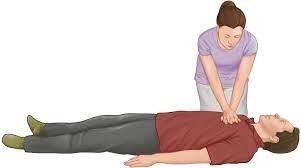
When the nurse enters the room of a male client who was admitted for a fractured femur, his cardiac monitor displays a normal sinus rhythm (NSR), but he has no spontaneous respirations and his carotid pulse is not palpable. Which intervention should the nurse implement?
A. Observe for swelling at the fracture site.
Incorrect- Observing for swelling at the fracture site is important for assessing the client's musculoskeletal condition, but it is not the priority intervention in this situation. The absence of spontaneous respirations and palpable carotid pulse indicates cardiac arrest, and immediate intervention is needed.
B. Analyze the cardiac rhythm in another lead.
Incorrect- Analyzing the cardiac rhythm in another lead is not the first priority when the client is in cardiac arrest. Cardiopulmonary resuscitation (CPR) should be initiated immediately to restore circulation.
C. Obtain a 12-lead electrocardiogram.
Incorrect- Obtaining a 12-lead electrocardiogram is not the initial intervention in a client in cardiac arrest. CPR and defibrillation (if indicated) are the immediate actions to provide circulation and oxygenation to the vital organs.
D. Begin chest compressions at 100/minute.
Correct- The absence of spontaneous respirations and palpable carotid pulse indicates cardiac arrest. In this situation, immediate initiation of cardiopulmonary resuscitation (CPR) is critical to provide circulation and oxygenation to the vital organs. Chest compressions are the initial step to address cardiac arrest and ensure blood flow to the body.
Full Explanation
A) Incorrect- Observing for swelling at the fracture site is important for assessing the client's musculoskeletal condition, but it is not the priority intervention in this situation. The absence of spontaneous respirations and palpable carotid pulse indicates cardiac arrest, and immediate intervention is needed.
B) Incorrect- Analyzing the cardiac rhythm in another lead is not the first priority when the client is in cardiac arrest. Cardiopulmonary resuscitation (CPR) should be initiated immediately to restore circulation.
C) Incorrect- Obtaining a 12-lead electrocardiogram is not the initial intervention in a client in cardiac arrest. CPR and defibrillation (if indicated) are the immediate actions to provide circulation and oxygenation to the vital organs.
D) Correct- The absence of spontaneous respirations and palpable carotid pulse indicates cardiac arrest. In this situation, immediate initiation of cardiopulmonary resuscitation (CPR) is critical to provide circulation and oxygenation to the vital organs. Chest compressions are the initial step to address cardiac arrest and ensure blood flow to the body.
When assessing a newborn girl with salt-wasting congenital adrenal hyperplasia due to 21 hydroxylase deficiency, the nurse notes that the infant has an enlarged clitoris. Which intervention should the nurse implement?
A. Review transcutaneous bilirubin levels with a bilirubinometer.
Incorrect- Reviewing transcutaneous bilirubin levels is unrelated to the presence of an enlarged clitoris. Bilirubin levels are typically assessed to monitor jaundice in newborns.
B. Observe and palpate newborn's breast tissue for enlargement.
Incorrect- Observing and palpating breast tissue for enlargement is not relevant to the condition of salt-wasting congenital adrenal hyperplasia. Breast tissue enlargement would not be associated with this hormonal disorder.
C. Assess for signs of fluid retention and bilateral pedal edema.
Incorrect- Assessing for signs of fluid retention and bilateral pedal edema is important for monitoring for other conditions, but it is not relevant to the enlarged clitoris seen in this specific scenario.
D. Explain to the mother that the finding is due to increased androgen.
Correct- Salt-wasting congenital adrenal hyperplasia is a genetic disorder that results in a deficiency of certain enzymes required for cortisol and aldosterone production. This deficiency leads to an overproduction of androgens, which can cause virilization of female external genitalia. The enlarged clitoris is a result of increased androgen levels. Explaining this finding to the mother provides her with accurate information about the condition and its effects on the infant's anatomy.
Full Explanation
A) Incorrect- Reviewing transcutaneous bilirubin levels is unrelated to the presence of an enlarged clitoris. Bilirubin levels are typically assessed to monitor jaundice in newborns.
B) Incorrect- Observing and palpating breast tissue for enlargement is not relevant to the condition of salt-wasting congenital adrenal hyperplasia. Breast tissue enlargement would not be associated with this hormonal disorder.
C) Incorrect- Assessing for signs of fluid retention and bilateral pedal edema is important for monitoring for other conditions, but it is not relevant to the enlarged clitoris seen in this specific scenario.
D) Correct- Salt-wasting congenital adrenal hyperplasia is a genetic disorder that results in a deficiency of certain enzymes required for cortisol and aldosterone production. This deficiency leads to an overproduction of androgens, which can cause virilization of female external genitalia. The enlarged clitoris is a result of increased androgen levels. Explaining this finding to the mother provides her with accurate information about the condition and its effects on the infant's anatomy.
The nurse is managing the care of a client with Cushing's syndrome. Which intervention(s) should the nurse delegate to the unlicensed assistive personnel (UAP)? (Select all that apply.)
A. Weigh the client and report any weight gain.
Correct- Weighing the client and reporting any weight gain is a routine measurement that can be safely performed by the UAP. Weight gain can be an important indicator of fluid retention, a common issue in Cushing's syndrome.
B. Reporting any client complaints of pain or discomfort.
Correct- Reporting any client complaints of pain or discomfort is important for monitoring the client's well-being and promptly addressing any potential issues.
C. Evaluate the client for sleep disturbances.
Incorrect- Evaluating the client for sleep disturbances involves assessing the client's sleep patterns, quality, and potential disruptions. This requires nursing judgment and a deeper understanding of the client's condition and potential contributing factors, so it's not appropriate to delegate this task to the UAP.
D. Note and report the client's food and liquid intake during meals and snacks.
Correct- Noting and reporting the client's food and liquid intake during meals and snacks is part of monitoring the client's nutritional status, which is an appropriate task for the UAP.
E. Assess the client for weakness and fatigue.
Incorrect- Assessing the client for weakness and fatigue involves a more comprehensive evaluation of the client's physical and physiological status, which requires nursing expertise. The nurse should directly assess and interpret these symptoms in the context of Cushing's syndrome to provide appropriate interventions.
Full Explanation
A) Correct- Weighing the client and reporting any weight gain is a routine measurement that can be safely performed by the UAP. Weight gain can be an important indicator of fluid retention, a common issue in Cushing's syndrome.
B) Correct- Reporting any client complaints of pain or discomfort is important for monitoring the client's well-being and promptly addressing any potential issues.
C) Incorrect- Evaluating the client for sleep disturbances involves assessing the client's sleep patterns, quality, and potential disruptions. This requires nursing judgment and a deeper understanding of the client's condition and potential contributing factors, so it's not appropriate to delegate this task to the UAP.
D) Correct- Noting and reporting the client's food and liquid intake during meals and snacks is part of monitoring the client's nutritional status, which is an appropriate task for the UAP.
E) Incorrect- Assessing the client for weakness and fatigue involves a more comprehensive evaluation of the client's physical and physiological status, which requires nursing expertise. The nurse should directly assess and interpret these symptoms in the context of Cushing's syndrome to provide appropriate interventions.