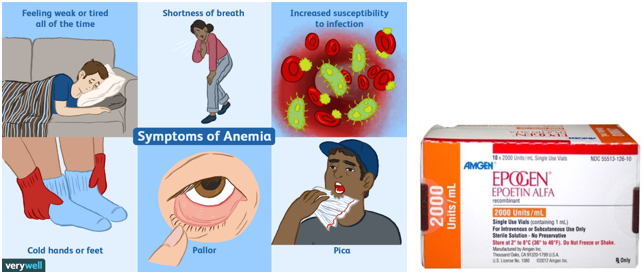
Nursing practice questions with comprehensive rationales
NurseDive Free Nursing Practice Question
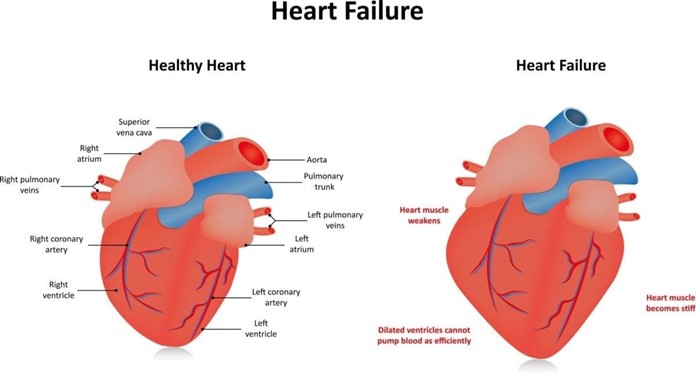
A client with heart failure (HF) develops hyperaldosteronism and spironolactone is prescribed. Which instruction should the nurse include in this patient’s plan of care?
A. Replace salt with a salt substitute.
Option a (Replace salt with a salt substitute) is incorrect because salt substitutes often contain potassium, which can further increase the risk of hyperkalemia.
B. Limits intake of high-potassium foods.
Spironolactone is a potassium-sparing diuretic that works by blocking the actions of aldosterone, a hormone that can lead to potassium loss in the urine. However, in some cases, spironolactone can cause hyperkalemia (high levels of potassium in the blood), which can be dangerous for patients with heart failure. Therefore, it is important to instruct the patient to limit their intake of high-potassium foods such as bananas, oranges, tomatoes, spinach, and salt substitutes containing potassium.
C. Cover your skin before going outside.
Option c (Cover your skin before going outside) is unrelated to the use of spironolactone and hyperkalemia.
D. Monitor skin for excessive bruising.
Option d (Monitor skin for excessive bruising) is not directly related to the use of spironolactone and hyperkalemia, although it is a potential side effect of other medications used to treat heart failure.
This question is an excerpt from Nurse Dive's nursing test bank - HESI Pharmacology Proctored Exam. Take the full exam now
Full Explanation
Spironolactone is a potassium-sparing diuretic that works by blocking the actions of aldosterone, a hormone that can lead to potassium loss in the urine. However, in some cases, spironolactone can cause hyperkalemia (high levels of potassium in the blood), which can be dangerous for patients with heart failure. Therefore, it is important to instruct the patient to limit their intake of high-potassium foods such as bananas, oranges, tomatoes, spinach, and salt substitutes containing potassium.
Option a (Replace salt with a salt substitute) is incorrect because salt substitutes often contain potassium, which can further increase the risk of hyperkalemia.
Option c (Cover your skin before going outside) is unrelated to the use of spironolactone and hyperkalemia.
Option d (Monitor skin for excessive bruising) is not directly related to the use of spironolactone and hyperkalemia, although it is a potential side effect of other medications used to treat heart failure.
Similar Questions
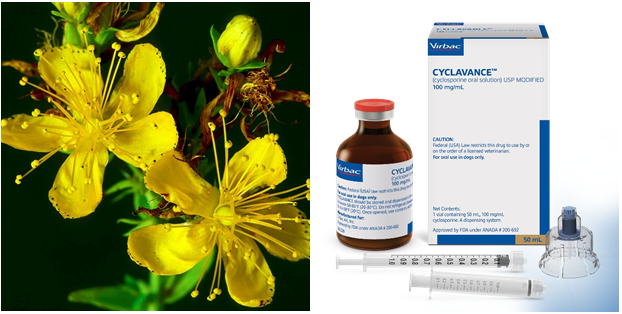
A client who received a renal transplant three months ago is readmitted to the acute care unit with signs of graft rejection. While taking the client’s history, the nurse determines that the client has been self-administering St. John's Wort, an herbal preparation on the advice of a friend.
Which information is most significant about this finding?
A. The client probably used this herb to treat depression.
B. Wort can decrease plasma concentrations of the cyclosporine.
Cyclosporine is an immunosuppressive medication commonly used to prevent graft rejection after organ transplantation. St. John's Wort is known to induce cytochrome P450 enzymes, which can increase the metabolism and decrease the effectiveness of many medications, including cyclosporine. This interaction can lead to decreased plasma concentrations of cyclosporine, which can increase the risk of graft rejection. Therefore, it is important to advise the client to discontinue the use of St. John's Wort and inform their healthcare provider about any herbal or supplement use to prevent potential interactions with prescribed medications. Options a, c, and d are not directly related to the client's current condition and are not as significant as option b.
C. Ingestion of wort can reduce the client’s intake of sodium.
D. Adding the herb can decrease the need for corticosteroids.
E. Adding the herb can decrease the need for corticosteroids.
Full Explanation
Cyclosporine is an immunosuppressive medication commonly used to prevent graft rejection after organ transplantation. St. John's Wort is known to induce cytochrome P450 enzymes, which can increase the metabolism and decrease the effectiveness of many medications, including cyclosporine. This interaction can lead to decreased plasma concentrations of cyclosporine, which can increase the risk of graft rejection. Therefore, it is important to advise the client to discontinue the use of St. John's Wort and inform their healthcare provider about any herbal or supplement use to prevent potential interactions with prescribed medications. Options a, c, and d are not directly related to the client's current condition and are not as significant as option b.
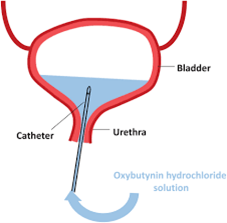
A female client starts a new prescription, oxybutynin, for symptoms of an overactive bladder. The client tells the nurse that she is training to run in a marathon. Which instruction should the nurse emphasize?
A. Avoid crowds to help prevent acquiring infections.
B. Wear protective padding to protect from bruising if a fall occurs.
C. Take measures to avoid dehydration and over-heating.
Oxybutynin is a medicine used to treat symptoms of an overactive bladder. One of the side effects of oxybutynin is that it can cause dry mouth, constipation, and dry skin21. These side effects can increase the risk of dehydration. Additionally, oxybutynin can cause flushing and heat stroke. Therefore, it is important for the client to take measures to avoid dehydration and over-heating while training for a marathon.
D. Keep skin and eyes covered to protect from sun injury.
Full Explanation
Oxybutynin is a medicine used to treat symptoms of an overactive bladder. One of the side effects of oxybutynin is that it can cause dry mouth, constipation, and dry skin21. These side effects can increase the risk of dehydration. Additionally, oxybutynin can cause flushing and heat stroke. Therefore, it is important for the client to take measures to avoid dehydration and over-heating while training for a marathon.
A client with anemia secondary to chronic kidney disease started a prescription for epoetin alfa two months ago. Which client finding best indicates that the medication is effective?
A. Reports on increased energy levels and decreased fatigue.
Reports of increased energy levels and decreased fatigue can be subjective and influenced by many factors.
B. Takes concurrent iron therapy without adverse effects.
Taking concurrent iron therapy without adverse effects is important to support the production of red blood cells but does not confirm the effectiveness of epoetin alfa.
C. The hemoglobin level increased to 12 grams/dL (120mmol/L).
Epoetin alfa is a medication that stimulates the production of red blood cells and is commonly used to treat anemia in patients with chronic kidney disease. Hemoglobin level is the most important parameter to monitor the effectiveness of epoetin alfa therapy. An increase in hemoglobin level indicates an improvement in the patient's anemia and suggests that the medication is effective. While options a, b, and d are also important considerations in the management of anemia, they do not provide a definitive indication of the effectiveness of epoetin alfa therapy.
D. Food diary shows increased consumption of iron rich foods.
Increased consumption of iron-rich foods can be helpful in managing anemia, but it does not provide a direct indication of the effectiveness of epoetin alfa therapy.
Full Explanation
Epoetin alfa is a medication that stimulates the production of red blood cells and is commonly used to treat anemia in patients with chronic kidney disease. Hemoglobin level is the most important parameter to monitor the effectiveness of epoetin alfa therapy. An increase in hemoglobin level indicates an improvement in the patient's anemia and suggests that the medication is effective.
While options a, b, and d are also important considerations in the management of anemia, they do not provide a definitive indication of the effectiveness of epoetin alfa therapy. Reports of increased energy levels and decreased fatigue can be subjective and influenced by many factors. Taking concurrent iron therapy without adverse effects is important to support the production of red blood cells but does not confirm the effectiveness of epoetin alfa. Increased consumption of iron-rich foods can be helpful in managing anemia, but it does not provide a direct indication of the effectiveness of epoetin alfa therapy.