Nursing practice questions with comprehensive rationales
NurseDive Free Nursing Practice Question
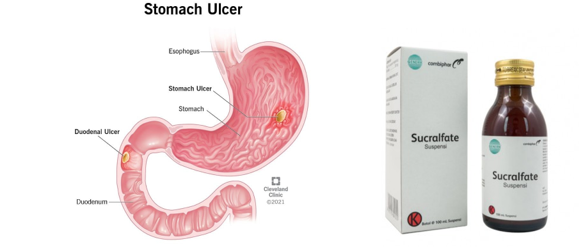
A female client starts a new prescription, oxybutynin, for symptoms of an overactive bladder. The client tells the nurse that she is training to run in a marathon. Which instruction should the nurse emphasize?
A. Avoid crowds to help prevent acquiring infections.
B. Wear protective padding to protect from bruising if a fall occurs.
C. Take measures to avoid dehydration and over-heating.
Oxybutynin is a medicine used to treat symptoms of an overactive bladder. One of the side effects of oxybutynin is that it can cause dry mouth, constipation, and dry skin21. These side effects can increase the risk of dehydration. Additionally, oxybutynin can cause flushing and heat stroke. Therefore, it is important for the client to take measures to avoid dehydration and over-heating while training for a marathon.
D. Keep skin and eyes covered to protect from sun injury.
This question is an excerpt from Nurse Dive's nursing test bank - HESI Pharmacology Proctored Exam. Take the full exam now
Full Explanation
Oxybutynin is a medicine used to treat symptoms of an overactive bladder. One of the side effects of oxybutynin is that it can cause dry mouth, constipation, and dry skin21. These side effects can increase the risk of dehydration. Additionally, oxybutynin can cause flushing and heat stroke. Therefore, it is important for the client to take measures to avoid dehydration and over-heating while training for a marathon.
Similar Questions
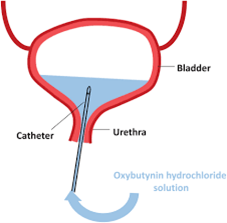
A client with anemia secondary to chronic kidney disease started a prescription for epoetin alfa two months ago. Which client finding best indicates that the medication is effective?
A. Reports on increased energy levels and decreased fatigue.
Reports of increased energy levels and decreased fatigue can be subjective and influenced by many factors.
B. Takes concurrent iron therapy without adverse effects.
Taking concurrent iron therapy without adverse effects is important to support the production of red blood cells but does not confirm the effectiveness of epoetin alfa.
C. The hemoglobin level increased to 12 grams/dL (120mmol/L).
Epoetin alfa is a medication that stimulates the production of red blood cells and is commonly used to treat anemia in patients with chronic kidney disease. Hemoglobin level is the most important parameter to monitor the effectiveness of epoetin alfa therapy. An increase in hemoglobin level indicates an improvement in the patient's anemia and suggests that the medication is effective. While options a, b, and d are also important considerations in the management of anemia, they do not provide a definitive indication of the effectiveness of epoetin alfa therapy.
D. Food diary shows increased consumption of iron rich foods.
Increased consumption of iron-rich foods can be helpful in managing anemia, but it does not provide a direct indication of the effectiveness of epoetin alfa therapy.
Full Explanation
Epoetin alfa is a medication that stimulates the production of red blood cells and is commonly used to treat anemia in patients with chronic kidney disease. Hemoglobin level is the most important parameter to monitor the effectiveness of epoetin alfa therapy. An increase in hemoglobin level indicates an improvement in the patient's anemia and suggests that the medication is effective.
While options a, b, and d are also important considerations in the management of anemia, they do not provide a definitive indication of the effectiveness of epoetin alfa therapy. Reports of increased energy levels and decreased fatigue can be subjective and influenced by many factors. Taking concurrent iron therapy without adverse effects is important to support the production of red blood cells but does not confirm the effectiveness of epoetin alfa. Increased consumption of iron-rich foods can be helpful in managing anemia, but it does not provide a direct indication of the effectiveness of epoetin alfa therapy.
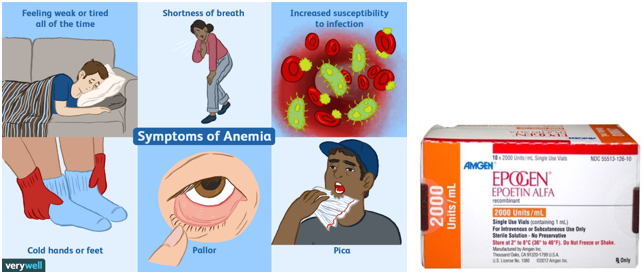
When caring for a client with diabetes insipidus who is receiving antidiuretic hormone intranasally, which serum lab test is most important for the nurse to monitor?
A. Platelets
B. Glucose
C. Osmolality
Diabetes insipidus is a condition in which the kidneys are unable to conserve water, leading to excessive thirst and urination. It is treated with antidiuretic hormone (ADH), which helps the kidneys retain water and reduce urine output. When caring for a client with diabetes insipidus who is receiving ADH intranasally, it is important for the nurse to monitor the client’s serum osmolality. Osmolality is a measure of the concentration of particles in a solution and can provide information about the client’s hydration status. Monitoring serum osmolality can help determine if the ADH therapy is effective in managing the client’s diabetes insipidus.
D. Calcium
Full Explanation
Diabetes insipidus is a condition in which the kidneys are unable to conserve water, leading to excessive thirst and urination. It is treated with antidiuretic hormone (ADH), which helps the kidneys retain water and reduce urine output. When caring for a client with diabetes insipidus who is receiving ADH intranasally, it is important for the nurse to monitor the client’s serum osmolality.
Osmolality is a measure of the concentration of particles in a solution and can provide information about the client’s hydration status.
Monitoring serum osmolality can help determine if the ADH therapy is effective in managing the client’s diabetes insipidus.
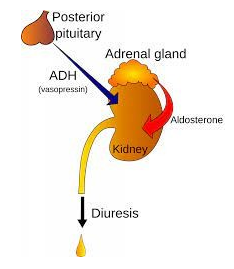
The nurse is planning to administer the antiulcer GI agent sucralfate to a client with a peptic ulcer disease. Which action should the nurse include in this client’s plan of care?
A. Administer sucralfate once a day, preferably at bedtime.
B. Asses for secondary candida infection.
C. Monitor for electrolyte imbalance.
D. Give sucralfate on an empty stomach.
Sucralfate is a medication used to treat and prevent the return of duodenal ulcers. It is important to take sucralfate on an empty stomach, either 1 hour before meals or 2 hours after meals. This allows the medication to work effectively by sticking to damaged ulcer tissue and protecting against acid and enzymes so healing can occur.
Full Explanation
Sucralfate is a medication used to treat and prevent the return of duodenal ulcers. It is important to take sucralfate on an empty stomach, either 1 hour before meals or 2 hours after meals. This allows the medication to work effectively by sticking to damaged ulcer tissue and protecting against acid and enzymes so healing can occur.