Nursing practice questions with comprehensive rationales
NurseDive Free Nursing Practice Question
A client with obstructive sleep apnea (OSA) ambulates in the hallway with the nurse prior to bedtime and then returns to bed. Which intervention is most important for the nurse to implement before leaving the client?
A. Apply the client's positive airway pressure device.
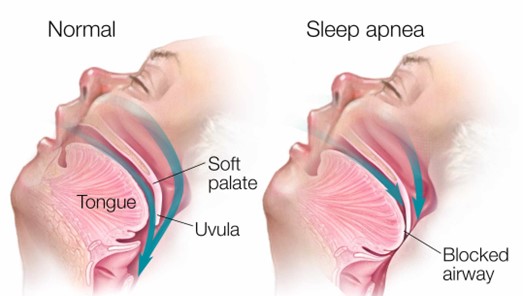
This is the correct answer because applying the client's positive airway pressure device is the most important intervention for the nurse to implement before leaving the client. A positive airway pressure device is a treatment that delivers pressurized air through a mask or nasal prongs to keep the upper airway open and prevent apnea episodes during sleep. Obstructive sleep apnea is a condition that causes repeated interruptions in breathing due to partial or complete collapse of the upper airway during sleep. The nurse should ensure that the device is fitted properly and functioning well.
B. Elevate the head of the bed to a 45 degree angle.
Elevating the head of the bed to a 45 degree angle is not a sufficient intervention for the nurse to implement before leaving the client. Elevating the head of the bed can help reduce snoring and improve breathing by preventing the tongue and soft palate from falling back and obstructing the airway. However, it may not be enough to prevent apnea episodes in clients with obstructive sleep apnea, especially if they have other risk factors such as obesity, enlarged tonsils, or nasal congestion. The nurse should also use other interventions such as positive airway pressure device, weight loss, or surgery.
C. Remove dentures or other oral appliances.
Removing dentures or other oral appliances is not a relevant intervention for the nurse to implement before leaving the client. Dentures or other oral appliances are devices that replace missing teeth or improve dental alignment. They may help improve speech, chewing, and appearance, but they do not have a direct impact on obstructive sleep apnea. The nurse should instruct the client to remove dentures or other oral appliances before going to bed to prevent discomfort, infection, or damage.
D. Lift and lock the side rails in place.
Lifting and locking the side rails in place is not a necessary intervention for the nurse to implement before leaving the client. Side rails are bars that attach to the sides of the bed frame to prevent falls or injuries. They may provide safety and security for some clients, but they may also pose risks such as entrapment, strangulation, or agitation. The nurse should assess the need for side rails on an individual basis and consider alternative measures such as bed alarms, low beds, or floor mats.
This question is an excerpt from Nurse Dive's nursing test bank - HESI Exit II Proctored Exam. Take the full exam now
Full Explanation
Choice B reason: Elevating the head of the bed to a 45-degree angle is not a sufficient intervention for the nurse to implement before leaving the client. Elevating the head of the bed can help reduce snoring and improve breathing by preventing the tongue and soft palate from falling back and obstructing the airway. However, it may not be enough to prevent apnea episodes in clients with obstructive sleep apnea, especially if they have other risk factors such as obesity, enlarged tonsils, or nasal congestion. The nurse should also use other interventions such as a positive airway pressure device, weight loss, or surgery.
Choice C reason: Removing dentures or other oral appliances is not a relevant intervention for the nurse to implement before leaving the client. Dentures or other oral appliances are devices that replace missing teeth or improve dental alignment. They may help improve speech, chewing, and appearance, but they do not have a direct impact on obstructive sleep apnea. The nurse should instruct the client to remove dentures or other oral appliances before going to bed to prevent discomfort, infection, or damage.
Choice D reason: Lifting and locking the side rails in place is not a necessary intervention for the nurse to implement before leaving the client. Side rails are bars that attach to the sides of the bed frame to prevent falls or injuries. They may provide safety and security for some clients, but they may also pose risks such as entrapment, strangulation, or agitation. The nurse should assess the need for side rails on an individual basis and consider alternative measures such as bed alarms, low beds, or floor mats.
Similar Questions
A client with influenza needs help in transferring to the bedside commode. The nurse observes the unlicensed assistive personnel (UAP) donning
gloves and a gown to assist the client. Which action should the nurse take?
A. Remind the UAP to apply a fitted respirator mask before entering the client's room.
Reminding the UAP to apply a fitted respirator mask before entering the client's room is not a necessary action for the nurse to take. A respirator mask is a type of personal protective equipment (PPE. that filters out airborne particles and droplets that may contain infectious agents. A respirator mask is required for clients who have or are suspected of having airborne diseases, such as tuberculosis, measles, or chickenpox. Influenza is a respiratory disease that is transmitted by droplet contact, not by airborne contact.
B. Instruct the UAP to notify the nurse of any changes in the client's respiratory status.
Instructing the UAP to notify the nurse of any changes in the client's respiratory status is not a specific action for the nurse to take. Respiratory status is an assessment of the client's breathing pattern, rate, depth, effort, and oxygen saturation. Respiratory status can be affected by various factors, such as infection, inflammation, obstruction, or injury. The nurse should monitor the client's respiratory status regularly and teach the UAP to report any signs or symptoms of respiratory distress, such as dyspnea, cyanosis, wheezes, or cough.
C. Review the need for the UAP to wear a face mask while in close contact with the client.
D. Assign the UAP to provide care for another client and assume full care of the client.
Assigning the UAP to provide care for another client and assuming full care of the client is not a feasible action for the nurse to take. The nurse should delegate tasks according to the scope of practice, competency, and availability of staff. The nurse should not reassign staff without a valid reason or without consulting with other team members. The nurse should also not assume full care of a client unless it is necessary or appropriate. The nurse should supervise and evaluate the UAP's performance and provide feedback and guidance.
Full Explanation
Choice A reason: Reminding the UAP to apply a fitted respirator mask before entering the client's room is not a necessary action for the nurse to take. A respirator mask is a type of personal protective equipment (PPE. that filters out airborne particles and droplets that may contain infectious agents. A respirator mask is required for clients who have or are suspected of having airborne diseases, such as tuberculosis, measles, or chickenpox. Influenza is a respiratory disease that is transmitted by droplet contact, not by airborne contact.
Choice B reason: Instructing the UAP to notify the nurse of any changes in the client's respiratory status is not a specific action for the nurse to take. Respiratory status is an assessment of the client's breathing pattern, rate, depth, effort, and oxygen saturation. Respiratory status can be affected by various factors, such as infection, inflammation, obstruction, or injury. The nurse should monitor the client's respiratory status regularly and teach the UAP to report any signs or symptoms of respiratory distress, such as dyspnea, cyanosis, wheezes, or cough.
Choice D reason: Assigning the UAP to provide care for another client and assuming full care of the client is not a feasible action for the nurse to take. The nurse should delegate tasks according to the scope of practice, competency, and availability of staff. The nurse should not reassign staff without a valid reason or without consulting with other team members. The nurse should also not assume full care of a client unless it is necessary or appropriate. The nurse should supervise and evaluate the UAP's performance and provide feedback and guidance.
Which laboratory results should the nurse closely monitor in a client who has end-stage renal disease (ESRD.?
A. Serum potassium, calcium, and phosphorus
B. Erythrocytes, hemoglobin, and hematocrit
Erythrocytes, hemoglobin, and hematocrit are laboratory results that are not as critical as serum potassium, calcium, and phosphorus in a client who has end-stage renal disease (ESRD.. Erythrocytes are red blood cells that carry oxygen from the lungs to the tissues. Hemoglobin is a protein in erythrocytes that binds oxygen. Hematocrit is the percentage of blood volume that is occupied by erythrocytes. ESRD can cause anemia (low erythrocyte, hemoglobin, and hematocrit levels) due to reduced production of erythropoietin, a hormone that stimulates erythrocyte formation, by the kidneys. Anemia can cause fatigue, pallor, or shortness of breath.
C. Leukocytes, neutrophils, and thyroxine
Leukocytes, neutrophils, and thyroxine are laboratory results that are not as relevant as serum potassium, calcium, and phosphorus in a client who has end-stage renal disease (ESRD.. Leukocytes are white blood cells that fight infection and inflammation. Neutrophils are a type of leukocyte that respond to bacterial infection. Thyroxine is a hormone that regulates metabolism and growth. ESRD can cause leukopenia (low leukocyte levels) and neutropenia (low neutrophil levels) due to impaired immune function and increased susceptibility to infection. ESRD can also cause hypothyroidism (low thyroxine levels) due to reduced clearance of thyroid hormones by the kidneys. Hypothyroidism can cause weight gain, cold intolerance, or depression.
D. Blood pressure, heart rate, and temperature
Blood pressure, heart rate, and temperature are not laboratory results, but vital signs that should be monitored in a client who has end-stage renal disease (ESRD.. Blood pressure is the force of blood against the walls of the arteries. Heart rate is the number of times the heart beats per minute. Temperature is the measure of body heat. ESRD can cause hypertension (high blood pressurE. due to fluid overload and activation of the renin-angiotensin-aldosterone system, a hormonal pathway that regulates blood pressure and fluid balance. Hypertension can cause headache, chest pain, or stroke. ESRD can also cause tachycardia (high heart ratE. due to anemia, fluid overload, or electrolyte imbalance. Tachycardia can cause palpitations, dizziness, or heart failure. ESRD can also cause fever (high temperaturE. due to infection or inflammation. Fever can cause chills, sweating, or delirium.
Full Explanation
Choice B reason: Erythrocytes, hemoglobin, and hematocrit are laboratory results that are not as critical as serum potassium, calcium, and phosphorus in a client who has end-stage renal disease (ESRD.. Erythrocytes are red blood cells that carry oxygen from the lungs to the tissues. Hemoglobin is a protein in erythrocytes that binds oxygen. Hematocrit is the percentage of blood volume that is occupied by erythrocytes. ESRD can cause anemia (low erythrocyte, hemoglobin, and hematocrit levels) due to reduced production of erythropoietin, a hormone that stimulates erythrocyte formation, by the kidneys. Anemia can cause fatigue, pallor, or shortness of breath.
Choice C reason: Leukocytes, neutrophils, and thyroxine are laboratory results that are not as relevant as serum potassium, calcium, and phosphorus in a client who has end-stage renal disease (ESRD.. Leukocytes are white blood cells that fight infection and inflammation. Neutrophils are a type of leukocyte that respond to bacterial infection. Thyroxine is a hormone that regulates metabolism and growth. ESRD can cause leukopenia (low leukocyte levels) and neutropenia (low neutrophil levels) due to impaired immune function and increased susceptibility to infection. ESRD can also cause hypothyroidism (low thyroxine levels) due to reduced clearance of thyroid hormones by the kidneys. Hypothyroidism can cause weight gain, cold intolerance, or depression.
Choice D reason: Blood pressure, heart rate, and temperature are not laboratory results, but vital signs that should be monitored in a client who has end-stage renal disease (ESRD.. Blood pressure is the force of blood against the walls of the arteries. Heart rate is the number of times the heart beats per minute. Temperature is the measure of body heat. ESRD can cause hypertension (high blood pressurE. due to fluid overload and activation of the renin-angiotensin-aldosterone system, a hormonal pathway that regulates blood pressure and fluid balance. Hypertension can cause headache, chest pain, or stroke. ESRD can also cause tachycardia (high heart ratE. due to anemia, fluid overload, or electrolyte imbalance. Tachycardia can cause palpitations, dizziness, or heart failure. ESRD can also cause fever (high temperaturE. due to infection or inflammation. Fever can cause chills, sweating, or delirium.
What nursing intervention is particularly indicated for the second stage of labor?
A. Providing pain medication to increase the client's tolerance of labor pains
Providing pain medication to increase the client's tolerance of labor pains is not a specific intervention for the second stage of labor. Pain medication is a drug that relieves pain by blocking pain signals or reducing inflammation. Pain medication can be given during any stage of labor, depending on the client's preference and condition. However, pain medication may have side effects such as sedation, nausea, or respiratory depression, and may affect the fetal heart rate or the progress of labor.
B. Assessing the fetal heart rate and pattern for signs of fetal distress
Assessing the fetal heart rate and pattern for signs of fetal distress is not a particular intervention for the second stage of labor. Fetal heart rate and pattern are indicators of fetal well-being and oxygenation. Fetal heart rate and pattern should be monitored throughout labor, especially during contractions, to detect any abnormalities or complications such as bradycardia, tachycardia, or decelerations.
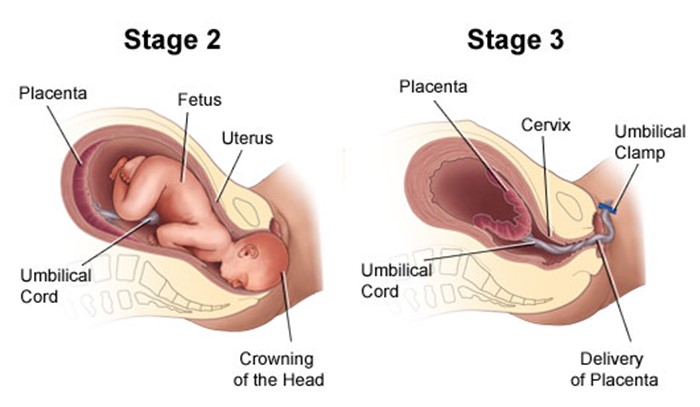
C. Assisting the client to push effectively so that expulsion of the fetus can be achieved
This is the correct answer because assisting the client to push effectively so that expulsion of the fetus can be achieved is a vital intervention for the second stage of labor. The second stage of labor begins when the cervix is fully dilated (10 cm) and ends with the delivery of the baby. The nurse should coach the client to push with each contraction, using proper breathing and positioning techniques, and provide feedback and encouragement.
D. Monitoring effects of oxytocin administration to help achieve cervical dilation
Monitoring effects of oxytocin administration to help achieve cervical dilation is not a relevant intervention for the second stage of labor. Oxytocin is a hormone that stimulates uterine contractions and cervical dilation. Oxytocin can be administered during labor to augment or induce labor, especially if there is prolonged or dysfunctional labor. However, oxytocin is not needed in the second stage of labor, when the cervix is already fully dilated and the focus is on pushing and delivering the baby.
Full Explanation
Choice A reason: Providing pain medication to increase the client's tolerance of labor pains is not a specific intervention for the second stage of labor. Pain medication is a drug that relieves pain by blocking pain signals or reducing inflammation. Pain medication can be given during any stage of labor, depending on the client's preference and condition. However, pain medication may have side effects such as sedation, nausea, or respiratory depression, and may affect the fetal heart rate or the progress of labor.
Choice B reason: Assessing the fetal heart rate and pattern for signs of fetal distress is not a particular intervention for the second stage of labor. Fetal heart rate and pattern are indicators of fetal well-being and oxygenation. Fetal heart rate and pattern should be monitored throughout labor, especially during contractions, to detect any abnormalities or complications such as bradycardia, tachycardia, or decelerations.
Choice D reason: Monitoring effects of oxytocin administration to help achieve cervical dilation is not a relevant intervention for the second stage of labor. Oxytocin is a hormone that stimulates uterine contractions and cervical dilation. Oxytocin can be administered during labor to augment or induce labor, especially if there is prolonged or dysfunctional labor. However, oxytocin is not needed in the second stage of labor, when the cervix is already fully dilated and the focus is on pushing and delivering the baby.