
Nursing practice questions with comprehensive rationales
NurseDive Free Nursing Practice Question
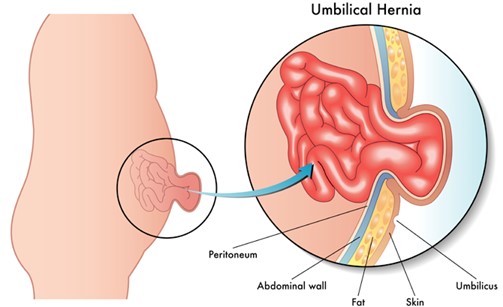
A mother brings her 4-month-old son to the clinic with a quarter taped over his umbilicus, and tells the nurse the quarter is supposed to fix her child's hernia. Which explanation should the nurse provide?
A. An abdominal binder can be worn daily to reduce the protrusion.
A: An abdominal binder can be worn daily to reduce the protrusion is not a correct explanation for the nurse to provide, as this is not an effective or recommended method to treat a hernia. This is a distractor choice.
B. This hernia is a normal variation that resolves without treatment.
B: This hernia is a normal variation that resolves without treatment is a correct explanation for the nurse to provide, as this refers to an umbilical hernia, which is a common and harmless condition in infants that usually disappears by age 2. Therefore, this is the correct choice.
C. The quarter should be secured with an elastic bandage wrap.
C: The quarter should be secured with an elastic bandage wrap is not a correct explanation for the nurse to provide, as this is a folk remedy that has no scientific basis and can cause skin irritation and infection. This is another distractor choice.
D. Restrictive clothing will be adequate to help the hernia go away.
D: Restrictive clothing will be adequate to help the hernia go away is not a correct explanation for the nurse to provide, as this is not a proven or safe way to treat a hernia. This is another distractor choice.
This question is an excerpt from Nurse Dive's nursing test bank - HESI Exit II Proctored Exam. Take the full exam now
Full Explanation
Choice A: An abdominal binder can be worn daily to reduce the protrusion is not a correct explanation for the nurse to provide, as this is not an effective or recommended method to treat a hernia. This is a distractor choice.
Choice B: This hernia is a normal variation that resolves without treatment is a correct explanation for the nurse to provide, as this refers to an umbilical hernia, which is a common and harmless condition in infants that usually disappears by age 2. Therefore, this is the correct choice.
Choice C: The quarter should be secured with an elastic bandage wrap is not a correct explanation for the nurse to provide, as this is a folk remedy that has no scientific basis and can cause skin irritation and infection. This is another distractor choice.
Choice D: Restrictive clothing will be adequate to help the hernia go away is not a correct explanation for the nurse to provide, as this is not a proven or safe way to treat a hernia. This is another distractor choice.
Similar Questions
The nurse is assigning care of a client with prostatitis to a practical nurse (PN). Which instruction should the nurse provide the PN regarding this client?
A. Strain all urine
A: Straining all urine is not a relevant instruction for the nurse to provide, as this is not related to prostatitis. This is a distractor choice.
B. Maintain contact isolation
B: Maintaining contact isolation is not a necessary instruction for the nurse to provide, as prostatitis is not a contagious condition. This is another distractor choice.
C. Avoid urinary catheterization
C: Avoiding urinary catheterization is an important instruction for the nurse to provide, as this can introduce bacteria into the urinary tract and worsen the infection. Therefore, this is the correct choice.
D. Restrict oral fluid intake
D: Restricting oral fluid intake is not an appropriate instruction for the nurse to provide, as this can lead to dehydration and reduced urine output, which can increase the risk of urinary stasis and infection. This is another distractor choice.
Full Explanation
Choice A: Straining all urine is not a relevant instruction for the nurse to provide, as this is not related to prostatitis. This is a distractor choice.
Choice B: Maintaining contact isolation is not a necessary instruction for the nurse to provide, as prostatitis is not a contagious condition. This is another distractor choice.
Choice C: Avoiding urinary catheterization is an important instruction for the nurse to provide, as this can introduce bacteria into the urinary tract and worsen the infection. Therefore, this is the correct choice.
Choice D: Restricting oral fluid intake is not an appropriate instruction for the nurse to provide, as this can lead to dehydration and reduced urine output, which can increase the risk of urinary stasis and infection. This is another distractor choice.
The charge nurse is planning for the shift and has a registered nurse (RN) and a practical nurse (PN) on the team. Which client should the charge nurse assign to the RN?
A. An adolescent with multiple contusions due to a fall that occurred 2 days ago.
A: An adolescent with multiple contusions due to a fall that occurred 2 days ago is not a client that the charge nurse should assign to the RN, as this is a stable and low-acuity client who can be safely cared for by the PN. This is a distractor choice.
B. A 75-year-old client with renal calculi who requires urine straining.
B: A 75-year-old client with renal calculi who requires urine straining is not a client that the charge nurse should assign to the RN, as this is a routine and non-complex task that can be performed by the PN. This is another distractor choice.
C. A 30-year-old depressed client who admits to suicide ideation.
C: A 30-year-old depressed client who admits to suicide ideation is a client that the charge nurse should assign to the RN, as this is an unstable and high-risk client who requires close monitoring, assessment, and intervention by the RN. Therefore, this is the correct choice.
D. A 64-year-old client who had a total hip replacement the previous day.
D: A 64-year-old client who had a total hip replacement the previous day is not a client that the charge nurse should assign to the RN, as this is a postoperative and moderate-acuity client who can be managed by the PN under the supervision of the RN. This is another distractor choice.
Full Explanation
Choice A: An adolescent with multiple contusions due to a fall that occurred 2 days ago is not a client that the charge nurse should assign to the RN, as this is a stable and low-acuity client who can be safely cared for by the PN. This is a distractor choice.
Choice B: A 75-year-old client with renal calculi who requires urine straining is not a client that the charge nurse should assign to the RN, as this is a routine and non-complex task that can be performed by the PN. This is another distractor choice.
Choice C: A 30-year-old depressed client who admits to suicide ideation is a client that the charge nurse should assign to the RN, as this is an unstable and high-risk client who requires close monitoring, assessment, and intervention by the RN. Therefore, this is the correct choice.
Choice D: A 64-year-old client who had a total hip replacement the previous day is not a client that the charge nurse should assign to the RN, as this is a postoperative and moderate-acuity client who can be managed by the PN under the supervision of the RN. This is another distractor choice.
The nurse is educating a client about essential hypertension prevention. Which information should the nurse provide? (Select all that apply)
A. Alcohol consumption will not produce vascular changes.
A is incorrect because alcohol consumption can produce vascular changes that increase blood pressure. Alcohol intake should be limited to no more than one drink per day for women and two drinks per day for men.
B. Weight management is promoted by taking daily walks for thirty minutes.
B is correct because weight management is an important factor in preventing and controlling hypertension. Taking daily walks for thirty minutes can help reduce weight and lower blood pressure.
C. Salt substitutes can help with maintaining a healthy diet.
C is correct because salt substitutes can help with maintaining a healthy diet by reducing sodium intake. Sodium intake is associated with increased blood pressure and should be limited to less than 2,300 mg per day.
D. Blood pressure readings should be taken at noontime.
D is incorrect because blood pressure readings should not be taken at noontime. Blood pressure readings should be taken at the same time each day, preferably in the morning before breakfast or in the evening before dinner.
E. Sodium intake can be regulated by rinsing canned foods in water.
E is correct because sodium intake can be regulated by rinsing canned foods in water. Canned foods often contain high amounts of sodium as a preservative and rinsing them can remove some of the excess sodium.
F. Uncontrolled hypertension can lead to renal damage.
F is correct because uncontrolled hypertension can lead to renal damage. Hypertension can cause damage to the blood vessels and impair the function of the kidneys, leading to chronic kidney disease or failure.
Full Explanation
Choice B is correct because weight management is an important factor in preventing and controlling hypertension. Taking daily walks for thirty minutes can help reduce weight and lower blood pressure.
Choice C is correct because salt substitutes can help with maintaining a healthy diet by reducing sodium intake. Sodium intake is associated with increased blood pressure and should be limited to less than 2,300 mg per day.
Choice E is correct because sodium intake can be regulated by rinsing canned foods in water. Canned foods often contain high amounts of sodium as a preservative and rinsing them can remove some of the excess sodium.
Choice F is correct because uncontrolled hypertension can lead to renal damage. Hypertension can cause damage to the blood vessels and impair the function of the kidneys, leading to chronic kidney disease or failure.
Choice A is incorrect because alcohol consumption can produce vascular changes that increase blood pressure. Alcohol intake should be limited to no more than one drink per day for women and two drinks per day for men.
Choice D is incorrect because blood pressure readings should not be taken at noontime. Blood pressure readings should be taken at the same time each day, preferably in the morning before breakfast or in the evening before dinner.