Nursing practice questions with comprehensive rationales
NurseDive Free Nursing Practice Question
A. An adolescent with multiple contusions due to a fall that occurred 2 days ago.
A: An adolescent with multiple contusions due to a fall that occurred 2 days ago is not a client that the charge nurse should assign to the RN, as this is a stable and low-acuity client who can be safely cared for by the PN. This is a distractor choice.
B. A 75-year-old client with renal calculi who requires urine straining.
B: A 75-year-old client with renal calculi who requires urine straining is not a client that the charge nurse should assign to the RN, as this is a routine and non-complex task that can be performed by the PN. This is another distractor choice.
C. A 30-year-old depressed client who admits to suicide ideation.
C: A 30-year-old depressed client who admits to suicide ideation is a client that the charge nurse should assign to the RN, as this is an unstable and high-risk client who requires close monitoring, assessment, and intervention by the RN. Therefore, this is the correct choice.
D. A 64-year-old client who had a total hip replacement the previous day.
D: A 64-year-old client who had a total hip replacement the previous day is not a client that the charge nurse should assign to the RN, as this is a postoperative and moderate-acuity client who can be managed by the PN under the supervision of the RN. This is another distractor choice.
This question is an excerpt from Nurse Dive's nursing test bank - HESI Exit II Proctored Exam. Take the full exam now
Full Explanation
Choice A: An adolescent with multiple contusions due to a fall that occurred 2 days ago is not a client that the charge nurse should assign to the RN, as this is a stable and low-acuity client who can be safely cared for by the PN. This is a distractor choice.
Choice B: A 75-year-old client with renal calculi who requires urine straining is not a client that the charge nurse should assign to the RN, as this is a routine and non-complex task that can be performed by the PN. This is another distractor choice.
Choice C: A 30-year-old depressed client who admits to suicide ideation is a client that the charge nurse should assign to the RN, as this is an unstable and high-risk client who requires close monitoring, assessment, and intervention by the RN. Therefore, this is the correct choice.
Choice D: A 64-year-old client who had a total hip replacement the previous day is not a client that the charge nurse should assign to the RN, as this is a postoperative and moderate-acuity client who can be managed by the PN under the supervision of the RN. This is another distractor choice.
Similar Questions
The nurse is educating a client about essential hypertension prevention. Which information should the nurse provide? (Select all that apply)
A. Alcohol consumption will not produce vascular changes.
A is incorrect because alcohol consumption can produce vascular changes that increase blood pressure. Alcohol intake should be limited to no more than one drink per day for women and two drinks per day for men.
B. Weight management is promoted by taking daily walks for thirty minutes.
B is correct because weight management is an important factor in preventing and controlling hypertension. Taking daily walks for thirty minutes can help reduce weight and lower blood pressure.
C. Salt substitutes can help with maintaining a healthy diet.
C is correct because salt substitutes can help with maintaining a healthy diet by reducing sodium intake. Sodium intake is associated with increased blood pressure and should be limited to less than 2,300 mg per day.
D. Blood pressure readings should be taken at noontime.
D is incorrect because blood pressure readings should not be taken at noontime. Blood pressure readings should be taken at the same time each day, preferably in the morning before breakfast or in the evening before dinner.
E. Sodium intake can be regulated by rinsing canned foods in water.
E is correct because sodium intake can be regulated by rinsing canned foods in water. Canned foods often contain high amounts of sodium as a preservative and rinsing them can remove some of the excess sodium.
F. Uncontrolled hypertension can lead to renal damage.
F is correct because uncontrolled hypertension can lead to renal damage. Hypertension can cause damage to the blood vessels and impair the function of the kidneys, leading to chronic kidney disease or failure.
Full Explanation
Choice B is correct because weight management is an important factor in preventing and controlling hypertension. Taking daily walks for thirty minutes can help reduce weight and lower blood pressure.
Choice C is correct because salt substitutes can help with maintaining a healthy diet by reducing sodium intake. Sodium intake is associated with increased blood pressure and should be limited to less than 2,300 mg per day.
Choice E is correct because sodium intake can be regulated by rinsing canned foods in water. Canned foods often contain high amounts of sodium as a preservative and rinsing them can remove some of the excess sodium.
Choice F is correct because uncontrolled hypertension can lead to renal damage. Hypertension can cause damage to the blood vessels and impair the function of the kidneys, leading to chronic kidney disease or failure.
Choice A is incorrect because alcohol consumption can produce vascular changes that increase blood pressure. Alcohol intake should be limited to no more than one drink per day for women and two drinks per day for men.
Choice D is incorrect because blood pressure readings should not be taken at noontime. Blood pressure readings should be taken at the same time each day, preferably in the morning before breakfast or in the evening before dinner.
Which nursing intervention is most important for the nurse to include in the plan of care for a client with alcohol withdrawal delirium?
A. Maintain a quiet, non-stimulating environment.
A is correct because a quiet, non-stimulating environment can help reduce the agitation, confusion, and hallucinations that are common in alcohol withdrawal delirium. The nurse should also provide reassurance, orientation, and safety measures to the client.
B. Force oral fluids and provide frequent small meals.
B is incorrect because forcing oral fluids and providing frequent small meals are not the most important interventions for a client with alcohol withdrawal delirium. The client may have difficulty swallowing, nausea, vomiting, or diarrhea that can interfere with oral intake. The nurse should monitor the client's hydration and nutrition status and provide intravenous fluids or supplements as needed.
C. Confront the client's denial of substance abuse.
C is incorrect because confronting the client's denial of substance abuse is not the most important intervention for a client with alcohol withdrawal delirium. The client may not be able to comprehend or accept the reality of their situation due to their altered mental state. The nurse should avoid arguing or challenging the client and focus on providing supportive care.
D. Encourage attendance and group participation.
D is incorrect because encouraging attendance and group participation are not the most important interventions for a client with alcohol withdrawal delirium. The client may not be able to participate in group activities due to their severe withdrawal symptoms and may need individualized care. The nurse should facilitate referrals to appropriate resources for substance abuse treatment when the client is stable and ready.
Full Explanation
Choice A is correct because a quiet, non-stimulating environment can help reduce the agitation, confusion, and hallucinations that are common in alcohol withdrawal delirium. The nurse should also provide reassurance, orientation, and safety measures to the client.
Choice B is incorrect because forcing oral fluids and providing frequent small meals are not the most important interventions for a client with alcohol withdrawal delirium. The client may have difficulty swallowing, nausea, vomiting, or diarrhea that can interfere with oral intake. The nurse should monitor the client's hydration and nutrition status and provide intravenous fluids or supplements as needed.
Choice C is incorrect because confronting the client's denial of substance abuse is not the most important intervention for a client with alcohol withdrawal delirium. The client may not be able to comprehend or accept the reality of their situation due to their altered mental state. The nurse should avoid arguing or challenging the client and focus on providing supportive care.
Choice D is incorrect because encouraging attendance and group participation are not the most important interventions for a client with alcohol withdrawal delirium. The client may not be able to participate in group activities due to their severe withdrawal symptoms and may need individualized care. The nurse should facilitate referrals to appropriate resources for substance abuse treatment when the client is stable and ready.
An adult with arthritis has been receiving treatment with naproxen and now reports ongoing stomach pain, increasing weakness, and fatigue. Which laboratory test should the nurse monitor?
A. Creatinine
A: Creatinine is not a relevant laboratory test for the nurse to monitor, as this reflects renal function and is not affected by naproxen or arthritis. This is a distractor choice.
B. Serum calcium
B: Serum calcium is not a pertinent laboratory test for the nurse to monitor, as this indicates bone metabolism and is not related to naproxen or arthritis. This is another distractor choice.
C. Erythrocyte sedimentation rate
C: Erythrocyte sedimentation rate is not an important laboratory test for the nurse to monitor, as this measures inflammation and is not influenced by naproxen or stomach pain. This is another distractor choice.
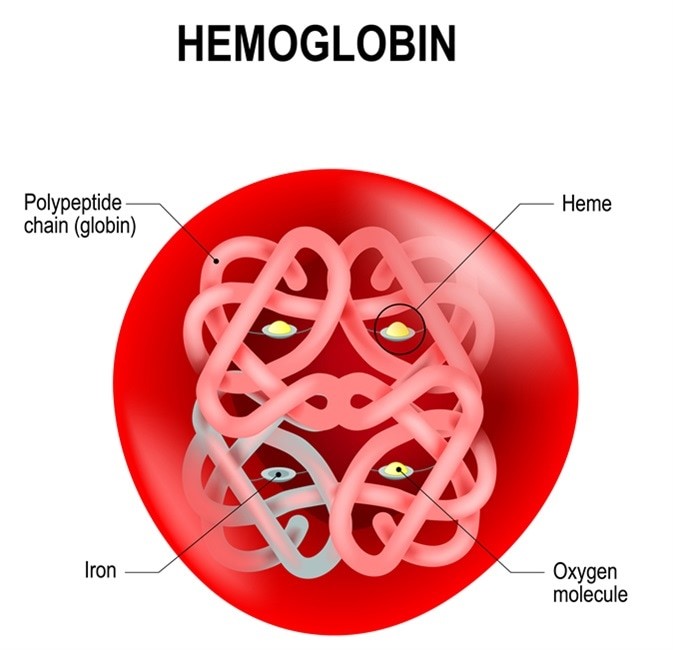
D. Hemoglobin
D: Hemoglobin is an essential laboratory test for the nurse to monitor, as this shows blood oxygen-carrying capacity and can be reduced by naproxen-induced gastrointestinal bleeding, which can cause stomach pain, weakness, and fatigue. Therefore, this is the correct choice.
Full Explanation
Choice A: Creatinine is not a relevant laboratory test for the nurse to monitor, as this reflects renal function and is not affected by naproxen or arthritis. This is a distractor choice.
Choice B: Serum calcium is not a pertinent laboratory test for the nurse to monitor, as this indicates bone metabolism and is not related to naproxen or arthritis. This is another distractor choice.
Choice C: Erythrocyte sedimentation rate is not an important laboratory test for the nurse to monitor, as this measures inflammation and is not influenced by naproxen or stomach pain. This is another distractor choice.
Choice D: Hemoglobin is an essential laboratory test for the nurse to monitor, as this shows blood oxygen-carrying capacity and can be reduced by naproxen-induced gastrointestinal bleeding, which can cause stomach pain, weakness, and fatigue. Therefore, this is the correct choice.