
Nursing practice questions with comprehensive rationales
NurseDive Free Nursing Practice Question
A new mother of a newborn girl calls the clinic in a panic, concerned about the blood-tinged soiled diaper. What is the best response from the nurse?
A. This can be from the sudden withdrawal of your hormones. It's not a cause for alarm.
This can be from the sudden withdrawal of your hormones. It's not a cause for alarm. This is because newborn female babies may have a little bloody vaginal discharge in their diapers due to the withdrawal of maternal hormones after delivery. This usually stops as the hormones return to normal levels.
B. The baby may have a problem; let's schedule an appointment.
This is wrong because the baby does not need an appointment for this condition.
C. For now, just watch her. If this continues, call us back.
This is wrong because the mother does not need to watch her baby for this condition.
D. This can be related to cleaning her perineal area; be more careful.
This is wrong because the blood is not related to cleaning her perineal area.
This question is an excerpt from Nurse Dive's nursing test bank - Postpartum AMD Newborn Care Proctored Exam. Take the full exam now
Full Explanation
This can be from the sudden withdrawal of your hormones. It's not a cause for alarm. This is because newborn female babies may have a little bloody vaginal discharge in their diaper due to the withdrawal of maternal hormones after delivery. This usually stops as the hormones return to normal levels¹².
Choice B is wrong because the baby does not need an appointment for this condition.
Choice C is wrong because the mother does not need to watch her baby for this condition.
Choice D is wrong because the blood is not related to cleaning her perineal area.
Similar Questions
A nurse is caring for a newborn shortly after birth and places the newborn under a radiant warmer. Which of the following potential complications does this action help to prevent?
A. Cold stress
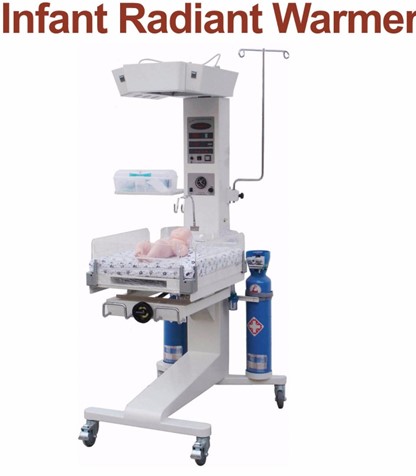
This action helps to prevent cold stress. This is because cold stress is a condition where the newborn's core temperature drops below 36.5°C and they use energy and oxygen to generate warmth. This can lead to hypoglycemia, metabolic acidosis, hypoxia, and an increased risk of infection. Placing the newborn under a radiant warmer provides thermal stability and prevents heat loss by radiation. Here is an image of a newborn under a radiant warmer.
B. Thermogenesis
This is wrong because thermogenesis is the process of heat production, not a complication.
C. Shivering
This is wrong because shivering is a mechanism of heat production in adults, not in newborns.
D. Brown fat production
This is wrong because brown fat production is a normal feature of newborns that helps them generate heat by lipolysis.
Full Explanation
This action helps to prevent cold stress. This is because cold stress is a condition where the newborn's core temperature drops below 36.5°C and they use energy and oxygen to generate warmth. This can lead to hypoglycemia, metabolic acidosis, hypoxia, and an increased risk of infection.
Placing the newborn under a radiant warmer provides thermal stability and prevents heat loss by radiation.
Choice B is wrong because thermogenesis is the process of heat production, not a complication.
Choice C is wrong because shivering is a mechanism of heat production in adults, not in newborns.
Choice D is wrong because brown fat production is a normal feature of newborns that helps them generate heat by lipolysis.
Here is an image of a newborn under a radiant warmer.
When planning the care for a client during the first 24 hours postpartum, the nurse expects to monitor the client's pulse and blood pressure frequently based on the understanding that the client is at risk for which condition?
A. Thromboembolism
This is wrong because thromboembolism is a blood clot that blocks a blood vessel, not a complication of bleeding.
B. Cervical laceration
This is wrong because cervical laceration is a tear in the cervix that can cause bleeding, but it is not a common cause of PPH.
C. Hemorrhoids
This is wrong because hemorrhoids are swollen veins in the anus or rectum that can cause bleeding, but they are not a common cause of PPH.
D. Hemorrhage
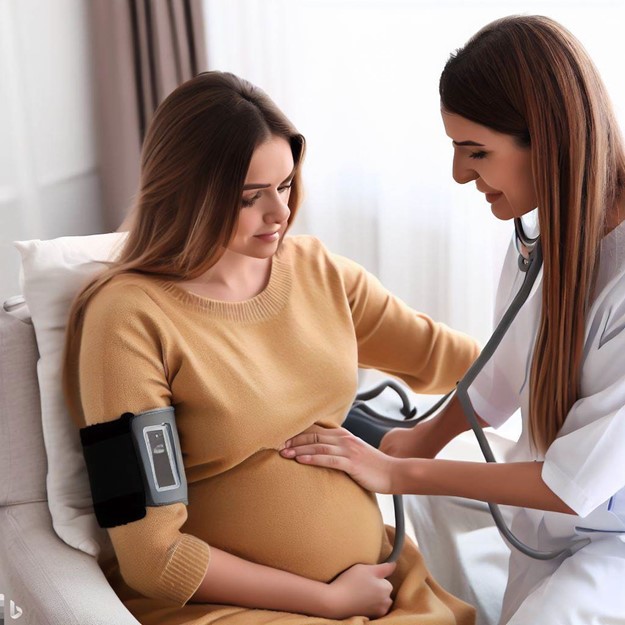
This is because postpartum hemorrhage (PPH) is severe bleeding and loss of blood after childbirth that can lead to death. The most common cause of PPH is the uterus not contracting properly after delivery. The nurse needs to monitor the client’s pulse and blood pressure frequently to detect signs of shock and blood loss.
Full Explanation
Hemorrhage. This is because postpartum hemorrhage (PPH) is severe bleeding and loss of blood after childbirth that can lead to death. The most common cause of PPH is the uterus not contracting properly after delivery. The nurse needs to monitor the client’s pulse and blood pressure frequently to detect signs of shock and blood loss.
Choice A is wrong because thromboembolism is a blood clot that blocks a blood vessel, not a complication of bleeding.
Choice B is wrong because cervical laceration is a tear in the cervix that can cause bleeding, but it is not a common cause of PPH.
Choice C is wrong because hemorrhoids are swollen veins in the anus or rectum that can cause bleeding, but they are not a common cause of PPH.
A nurse is collecting data from a client who is 12 hr postpartum. Which of the following findings should the nurse expect?
A. Fundus soft, 2 fingerbreadths below the umbilicus
This is wrong because a soft fundus indicates uterine atony, which is a risk factor for hemorrhage.
B. Fundus firm, at the level of the umbilicus
choice B. Fundus firm, at the level of the umbilicus. This is because the normal postpartum uterine fundus location should be around the belly button (umbilicus) one hour after delivery and then decrease by 1 cm per 24 hours. A firm fundus indicates that the uterus is contracting well and preventing bleeding.
C. Fundus firm, 2 fingerbreadths above the umbilicus
This is wrong because the fundus should not be above the umbilicus 12 hours after delivery.
D. Fundus soft, to the right of the umbilicus
This is wrong because a fundus to the right of the umbilicus indicates a full bladder, which can displace the uterus and cause bleeding.
Full Explanation
Fundus firm, at the level of the umbilicus. This is because the normal postpartum uterine fundus location should be around the belly button (umbilicus) one hour after delivery and then decrease by 1 cm per 24 hours. A firm fundus indicates that the uterus is contracting well and preventing bleeding.

Choice A is wrong because a soft fundus indicates uterine atony, which is a risk factor for hemorrhage.
Choice C is wrong because the fundus should not be above the umbilicus 12 hours after delivery.
Choice D is wrong because a fundus to the right of the umbilicus indicates a full bladder, which can displace the uterus and cause bleeding.