
Nursing practice questions with comprehensive rationales
NurseDive Free Nursing Practice Question
A. Hypotension, tachycardia, and lethargy
Hypotension (low blood pressure), tachycardia (rapid heart rate), and lethargy are critical symptoms that can indicate a life-threatening condition such as shock or severe dehydration. Hypotension can lead to inadequate perfusion of vital organs, resulting in multi-organ failure if not promptly addressed1. Tachycardia is often a compensatory mechanism for hypotension, and lethargy indicates decreased cerebral perfusion. Immediate intervention is required to stabilize the patient’s condition and prevent further deterioration.
B. Dizziness with headache 7/10 on numeric scale
Dizziness with a headache rated 7/10 on the numeric scale is concerning but not immediately life-threatening. These symptoms could indicate a variety of conditions, such as migraine, vertigo, or even a mild concussion. While the patient should be assessed and treated, they do not present the same immediate risk as hypotension and tachycardia.
C. Abdominal pain, hypertensive, and constipated
Abdominal pain, hypertension (high blood pressure), and constipation are symptoms that need medical attention but are not immediately life-threatening. Hypertension can lead to serious complications if left untreated, but it does not require the same urgent intervention as hypotension. Abdominal pain and constipation, while uncomfortable and potentially indicative of underlying issues, do not pose an immediate threat to life.
D. Febrile, tachycardia, and vomiting
Febrile (fever), tachycardia, and vomiting are symptoms that suggest an infection or other acute illness. While these symptoms are concerning and need prompt evaluation, they do not pose the same immediate risk as hypotension and tachycardia. Fever and vomiting can lead to dehydration, but this typically develops over a longer period compared to the rapid deterioration seen with hypotension.
This question is an excerpt from Nurse Dive's nursing test bank - Final Med Surg Comprehensive Proctored Exam (Brooklyn University). Take the full exam now
Full Explanation
Choice A reason:
Hypotension (low blood pressure), tachycardia (rapid heart rate), and lethargy are critical symptoms that can indicate a life-threatening condition such as shock or severe dehydration. Hypotension can lead to inadequate perfusion of vital organs, resulting in multi-organ failure if not promptly addressed1. Tachycardia is often a compensatory mechanism for hypotension, and lethargy indicates decreased cerebral perfusion. Immediate intervention is required to stabilize the patient’s condition and prevent further deterioration.
Choice B reason:
Dizziness with a headache rated 7/10 on the numeric scale is concerning but not immediately life-threatening. These symptoms could indicate a variety of conditions, such as migraine, vertigo, or even a mild concussion. While the patient should be assessed and treated, they do not present the same immediate risk as hypotension and tachycardia.
Choice C reason:
Abdominal pain, hypertension (high blood pressure), and constipation are symptoms that need medical attention but are not immediately life-threatening. Hypertension can lead to serious complications if left untreated, but it does not require the same urgent intervention as hypotension. Abdominal pain and constipation, while uncomfortable and potentially indicative of underlying issues, do not pose an immediate threat to life.
Choice D reason:
Febrile (fever), tachycardia, and vomiting are symptoms that suggest an infection or other acute illness. While these symptoms are concerning and need prompt evaluation, they do not pose the same immediate risk as hypotension and tachycardia. Fever and vomiting can lead to dehydration, but this typically develops over a longer period compared to the rapid deterioration seen with hypotension.
Similar Questions
A client with type II diabetes is scheduled to have a computed tomography (CT) scan with IV contrast of the brain to rule out a brain tumor. What health teaching would the nurse include?
Your provider will obtain a signed consent from you prior to the completion of the CT scan.
A. You’ll need to let your doctor know if you have seafood allergies.
: Patients with seafood allergies may have a higher risk of allergic reactions to iodinated contrast media used in CT scans. However, this is not a definitive contraindication. The nurse should inform the patient to notify their healthcare provider about any known allergies, including seafood, as a precautionary measure. This allows the healthcare team to take necessary steps to prevent any adverse reactions, such as premedication with antihistamines or corticosteroids. Title:
B. Do not take your scheduled dose of Metformin 500 mg PO.
: Metformin is a common medication used to manage type II diabetes. When a patient is scheduled for a CT scan with IV contrast, it is crucial to withhold Metformin before the procedure. This is because the combination of Metformin and iodinated contrast can increase the risk of contrast-induced nephropathy (CIN) and lactic acidosis, a rare but serious condition. The general recommendation is to stop Metformin at the time of or prior to the procedure and withhold it for 48 hours after the procedure, resuming only after renal function has been re-evaluated and found to be normal. Title:
C. The procedure will be done at the bedside.
: CT scans, especially those requiring IV contrast, are typically performed in a radiology suite equipped with the necessary technology and medical personnel. Performing such a procedure at the bedside is uncommon and not standard practice due to the need for specialized equipment and immediate access to emergency care in case of adverse reactions. Therefore, this statement is incorrect. Title:
D. Take your Metformin as usual before the test.
: Taking Metformin as usual before the test is not recommended due to the risk of lactic acidosis when combined with iodinated contrast. As previously mentioned, Metformin should be withheld before and after the procedure until renal function is confirmed to be normal. This precaution helps to prevent any potential complications associated with the interaction between Metformin and the contrast agent.
Full Explanation
Title: Choice A Reason:
Patients with seafood allergies may have a higher risk of allergic reactions to iodinated contrast media used in CT scans. However, this is not a definitive contraindication. The nurse should inform the patient to notify their healthcare provider about any known allergies, including seafood, as a precautionary measure. This allows the healthcare team to take necessary steps to prevent any adverse reactions, such as premedication with antihistamines or corticosteroids.
Title: Choice B Reason:
Metformin is a common medication used to manage type II diabetes. When a patient is scheduled for a CT scan with IV contrast, it is crucial to withhold Metformin before the procedure. This is because the combination of Metformin and iodinated contrast can increase the risk of contrast-induced nephropathy (CIN) and lactic acidosis, a rare but serious condition. The general recommendation is to stop Metformin at the time of or prior to the procedure and withhold it for 48 hours after the procedure, resuming only after renal function has been re-evaluated and found to be normal.
Title: Choice C Reason:
CT scans, especially those requiring IV contrast, are typically performed in a radiology suite equipped with the necessary technology and medical personnel. Performing such a procedure at the bedside is uncommon and not standard practice due to the need for specialized equipment and immediate access to emergency care in case of adverse reactions. Therefore, this statement is incorrect.
Title: Choice D Reason:
Taking Metformin as usual before the test is not recommended due to the risk of lactic acidosis when combined with iodinated contrast. As previously mentioned, Metformin should be withheld before and after the procedure until renal function is confirmed to be normal. This precaution helps to prevent any potential complications associated with the interaction between Metformin and the contrast agent.
A client has been diagnosed with myxedema from long-standing hypothyroidism. What clinical manifestations of this disorder does the nurse recognize as progressing to myxedema coma? Select all that apply.
A. Hypertension
Hypertension is not typically associated with myxedema coma. Myxedema coma is characterized by severe hypothyroidism, which usually leads to low blood pressure (hypotension) rather than high blood pressure (hypertension). Therefore, hypertension is not a clinical manifestation that indicates progression to myxedema coma.
B. Restlessness
Restlessness is not a common symptom of myxedema coma. Patients with myxedema coma often present with lethargy, confusion, or even coma due to the severe slowing of metabolic processes. Restlessness is more commonly associated with hyperthyroidism or other conditions that increase metabolic activity.
C. Increased level of alertness
An increased level of alertness is contrary to the symptoms of myxedema coma. Myxedema coma typically presents with decreased mental status, including confusion, stupor, or coma. Therefore, an increased level of alertness would not be indicative of progression to myxedema coma.
D. Tachycardia
Tachycardia (rapid heart rate) is not a typical symptom of myxedema coma. Instead, myxedema coma is associated with bradycardia (slow heart rate) due to the severe hypothyroid state. Tachycardia is more commonly seen in hyperthyroid conditions.
E. Hypotension
Hypotension (low blood pressure) is a key clinical manifestation of myxedema coma. The severe hypothyroid state leads to decreased cardiac output and vascular resistance, resulting in hypotension. This is a critical sign that the nurse should recognize as indicative of progression to myxedema coma.
F. Bradycardia
Bradycardia (slow heart rate) is another hallmark of myxedema coma. The decreased metabolic rate in severe hypothyroidism leads to a reduced heart rate. Recognizing bradycardia is essential in identifying the progression to myxedema coma.
G. Hypoventilation
Hypoventilation (reduced breathing rate) is a significant symptom of myxedema coma. The severe hypothyroid state can lead to respiratory depression, resulting in hypoventilation. This can further exacerbate the patient’s condition and requires immediate medical attention.
H. Hyperventilation
Hyperventilation (increased breathing rate) is not associated with myxedema coma. Patients with myxedema coma typically experience hypoventilation due to the severe slowing of metabolic processes. Hyperventilation would be more indicative of conditions that increase metabolic activity or respiratory drive.
Full Explanation
Choice A reason:
Hypertension is not typically associated with myxedema coma. Myxedema coma is characterized by severe hypothyroidism, which usually leads to low blood pressure (hypotension) rather than high blood pressure (hypertension). Therefore, hypertension is not a clinical manifestation that indicates progression to myxedema coma.
Choice B reason:
Restlessness is not a common symptom of myxedema coma. Patients with myxedema coma often present with lethargy, confusion, or even coma due to the severe slowing of metabolic processes. Restlessness is more commonly associated with hyperthyroidism or other conditions that increase metabolic activity.
Choice C reason:
An increased level of alertness is contrary to the symptoms of myxedema coma. Myxedema coma typically presents with decreased mental status, including confusion, stupor, or coma. Therefore, an increased level of alertness would not be indicative of progression to myxedema coma.
Choice D reason:
Tachycardia (rapid heart rate) is not a typical symptom of myxedema coma. Instead, myxedema coma is associated with bradycardia (slow heart rate) due to the severe hypothyroid state. Tachycardia is more commonly seen in hyperthyroid conditions.
Choice E reason:
Hypotension (low blood pressure) is a key clinical manifestation of myxedema coma. The severe hypothyroid state leads to decreased cardiac output and vascular resistance, resulting in hypotension. This is a critical sign that the nurse should recognize as indicative of progression to myxedema coma.
Choice F reason:
Bradycardia (slow heart rate) is another hallmark of myxedema coma. The decreased metabolic rate in severe hypothyroidism leads to a reduced heart rate. Recognizing bradycardia is essential in identifying the progression to myxedema coma.
Choice G reason:
Hypoventilation (reduced breathing rate) is a significant symptom of myxedema coma. The severe hypothyroid state can lead to respiratory depression, resulting in hypoventilation. This can further exacerbate the patient’s condition and requires immediate medical attention.
Choice H reason:
Hyperventilation (increased breathing rate) is not associated with myxedema coma. Patients with myxedema coma typically experience hypoventilation due to the severe slowing of metabolic processes. Hyperventilation would be more indicative of conditions that increase metabolic activity or respiratory drive.
A client is admitted with bacterial meningitis. Which nursing intervention is the highest priority for this client?
A. Strict monitoring of hourly intake and output
Strict monitoring of hourly intake and output is important for managing fluid balance and detecting potential complications such as dehydration or fluid overload1. However, it is not the highest priority in the acute phase of bacterial meningitis. The primary concern is to monitor for signs of increased intracranial pressure (ICP) and neurological deterioration.
B. Managing pain through drug and non-drug methods
Managing pain through drug and non-drug methods is essential for patient comfort and overall well-being. Pain management can help reduce stress and improve the patient’s ability to rest and recover. However, it is not the highest priority compared to monitoring neurological status, which can provide early indications of complications such as increased ICP or seizures.
C. Assessing neurological status at least every 2 to 4 hours
Assessing neurological status at least every 2 to 4 hours is the highest priority for a client with bacterial meningitis. This frequent assessment helps detect early signs of neurological deterioration, increased ICP, and other complications. Early detection and intervention are crucial in preventing severe outcomes and improving the patient’s prognosis.
D. Decreasing environmental stimuli
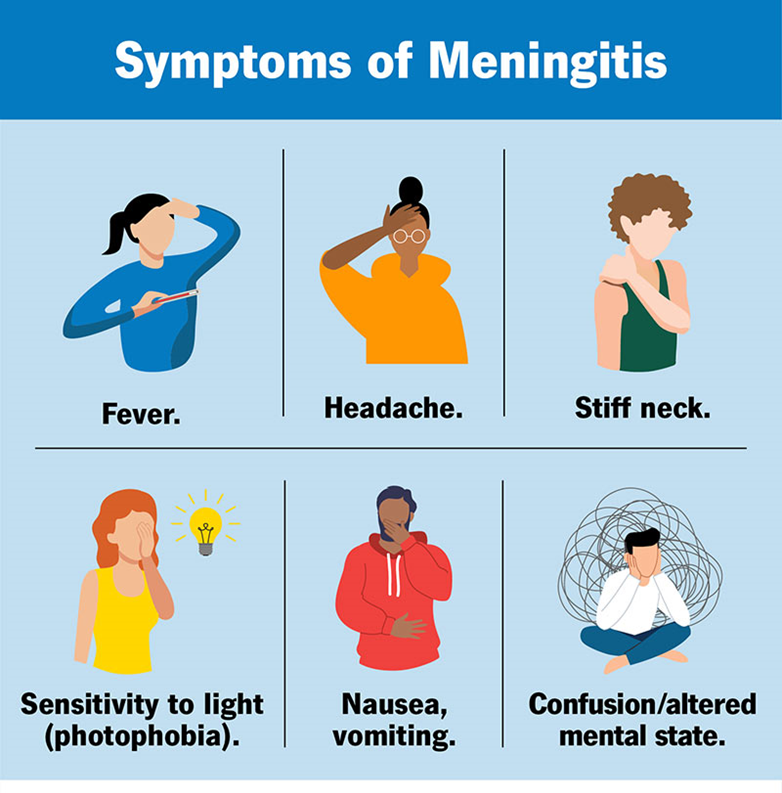
Decreasing environmental stimuli is important to reduce stress and prevent exacerbation of symptoms such as headache and photophobia. While this intervention is beneficial, it is not as critical as frequent neurological assessments in the acute management of bacterial meningitis.
Full Explanation
Choice A reason:
Strict monitoring of hourly intake and output is important for managing fluid balance and detecting potential complications such as dehydration or fluid overload1. However, it is not the highest priority in the acute phase of bacterial meningitis. The primary concern is to monitor for signs of increased intracranial pressure (ICP) and neurological deterioration.
Choice B reason:
Managing pain through drug and non-drug methods is essential for patient comfort and overall well-being. Pain management can help reduce stress and improve the patient’s ability to rest and recover. However, it is not the highest priority compared to monitoring neurological status, which can provide early indications of complications such as increased ICP or seizures.
Choice C reason:
Assessing neurological status at least every 2 to 4 hours is the highest priority for a client with bacterial meningitis. This frequent assessment helps detect early signs of neurological deterioration, increased ICP, and other complications. Early detection and intervention are crucial in preventing severe outcomes and improving the patient’s prognosis.
Choice D reason:
Decreasing environmental stimuli is important to reduce stress and prevent exacerbation of symptoms such as headache and photophobia. While this intervention is beneficial, it is not as critical as frequent neurological assessments in the acute management of bacterial meningitis.