
Nursing practice questions with comprehensive rationales
NurseDive Free Nursing Practice Question
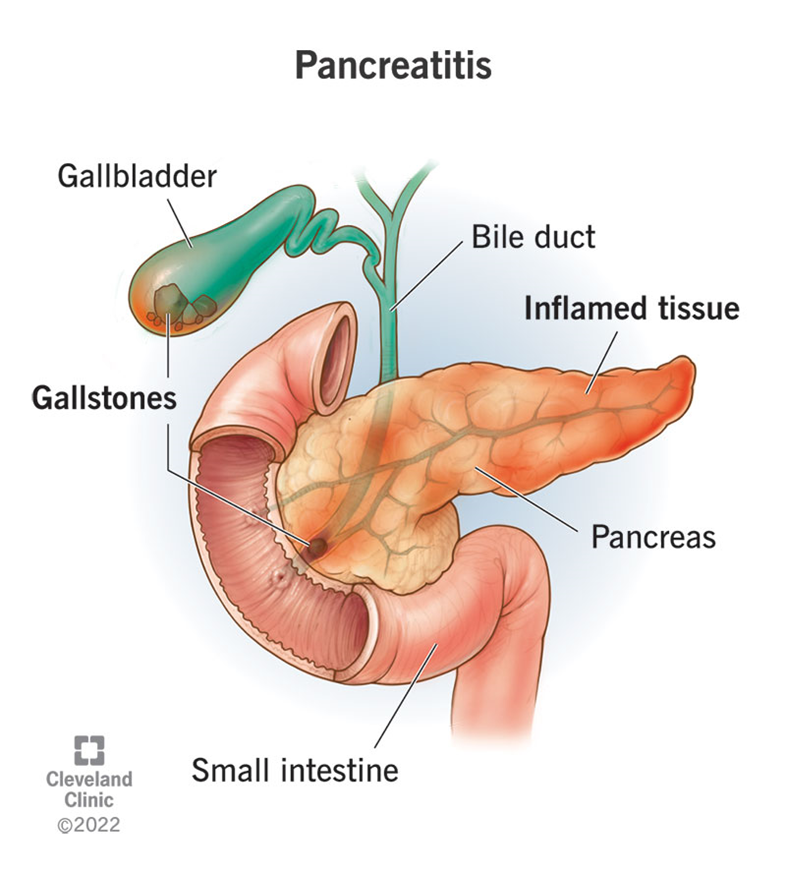
A nurse admits a client to the emergency department who reports nausea and vomiting that worsens when he lies down. Antacids do not help. The provider suspects acute pancreatitis. Which of the following laboratory test results should the nurse expect to see?
A. Increased serum amylase
: Increased serum amylase is a key indicator of acute pancreatitis. Amylase is an enzyme produced by the pancreas to help digest carbohydrates. In cases of acute pancreatitis, the pancreas becomes inflamed, leading to the release of amylase into the bloodstream. Elevated levels of serum amylase, typically more than three times the upper limit of normal, are a strong indication of acute pancreatitis. This enzyme level usually rises within a few hours of the onset of pancreatitis and can remain elevated for several days.
B. Increased serum calcium
: Increased serum calcium is not typically associated with acute pancreatitis. In fact, acute pancreatitis can often lead to hypocalcemia (low calcium levels) due to fat saponification in the pancreas, where calcium binds with fatty acids. Therefore, an increase in serum calcium would not be expected in a patient with acute pancreatitis. Monitoring calcium levels is important, but an increase is not a diagnostic marker for this condition.
C. Decreased WBC
: Decreased WBC (white blood cell count) is not a characteristic finding in acute pancreatitis. On the contrary, acute pancreatitis often leads to an elevated WBC count due to the inflammatory response in the body. Leukocytosis (increased WBC) is a common finding in many inflammatory and infectious conditions, including acute pancreatitis. Therefore, a decreased WBC count would not be expected and does not support the diagnosis of acute pancreatitis.
D. Decreased serum lipase
: Decreased serum lipase is incorrect. Similar to amylase, lipase is another enzyme produced by the pancreas, which helps in the digestion of fats. In acute pancreatitis, serum lipase levels also increase significantly, often more than three times the upper limit of normal. Lipase levels tend to rise slightly later than amylase but remain elevated for a longer period, making it a useful marker for diagnosing acute pancreatitis. Therefore, decreased serum lipase would not be expected in this condition.
This question is an excerpt from Nurse Dive's nursing test bank - Final Med Surg Comprehensive Proctored Exam (Brooklyn University). Take the full exam now
Full Explanation
Choice A Reason:
Increased serum amylase is a key indicator of acute pancreatitis. Amylase is an enzyme produced by the pancreas to help digest carbohydrates. In cases of acute pancreatitis, the pancreas becomes inflamed, leading to the release of amylase into the bloodstream. Elevated levels of serum amylase, typically more than three times the upper limit of normal, are a strong indication of acute pancreatitis. This enzyme level usually rises within a few hours of the onset of pancreatitis and can remain elevated for several days.
Choice B Reason:
Increased serum calcium is not typically associated with acute pancreatitis. In fact, acute pancreatitis can often lead to hypocalcemia (low calcium levels) due to fat saponification in the pancreas, where calcium binds with fatty acids. Therefore, an increase in serum calcium would not be expected in a patient with acute pancreatitis. Monitoring calcium levels is important, but an increase is not a diagnostic marker for this condition.
Choice C Reason:
Decreased WBC (white blood cell count) is not a characteristic finding in acute pancreatitis. On the contrary, acute pancreatitis often leads to an elevated WBC count due to the inflammatory response in the body. Leukocytosis (increased WBC) is a common finding in many inflammatory and infectious conditions, including acute pancreatitis. Therefore, a decreased WBC count would not be expected and does not support the diagnosis of acute pancreatitis.
Choice D Reason:
Decreased serum lipase is incorrect. Similar to amylase, lipase is another enzyme produced by the pancreas, which helps in the digestion of fats. In acute pancreatitis, serum lipase levels also increase significantly, often more than three times the upper limit of normal. Lipase levels tend to rise slightly later than amylase but remain elevated for a longer period, making it a useful marker for diagnosing acute pancreatitis. Therefore, decreased serum lipase would not be expected in this condition.
Similar Questions
A nurse is teaching self-management to a client who has hepatitis B. Which of the following instructions should the nurse include in the teaching?
A. Consume a high-protein diet.
Consuming a high-protein diet is not typically recommended for clients with hepatitis B. While protein is essential for overall health, excessive protein intake can put additional strain on the liver. Instead, a balanced diet with adequate carbohydrates, fruits, and vegetables is advised to support liver function.
B. Rest frequently throughout the day.
Resting frequently throughout the day is crucial for clients with hepatitis B. The liver is responsible for many vital functions, including detoxification, protein synthesis, and the production of biochemicals necessary for digestion. When the liver is inflamed or damaged, as in hepatitis B, it needs ample rest to recover and function properly.
C. You may donate blood 6 months after completing the medication regimen.
Clients with hepatitis B should not donate blood. Hepatitis B is a bloodborne virus, and donating blood can transmit the infection to others. Blood donation guidelines strictly prohibit individuals with hepatitis B from donating blood, regardless of the time elapsed since completing medication.
D. Take acetaminophen every 4 hours, as needed, for discomfort.
Taking acetaminophen every 4 hours for discomfort is not advisable for clients with hepatitis B. Acetaminophen is metabolized by the liver, and excessive use can lead to liver damage. Clients with liver conditions should use acetaminophen sparingly and under medical supervision to avoid exacerbating liver damage.
Full Explanation
Choice A reason: Consuming a high-protein diet is not typically recommended for clients with hepatitis B. While protein is essential for overall health, excessive protein intake can put additional strain on the liver. Instead, a balanced diet with adequate carbohydrates, fruits, and vegetables is advised to support liver function.
Choice B reason: Resting frequently throughout the day is crucial for clients with hepatitis B. The liver is responsible for many vital functions, including detoxification, protein synthesis, and the production of biochemicals necessary for digestion. When the liver is inflamed or damaged, as in hepatitis B, it needs ample rest to recover and function properly.
Choice C reason: Clients with hepatitis B should not donate blood. Hepatitis B is a bloodborne virus, and donating blood can transmit the infection to others. Blood donation guidelines strictly prohibit individuals with hepatitis B from donating blood, regardless of the time elapsed since completing medication.
Choice D reason: Taking acetaminophen every 4 hours for discomfort is not advisable for clients with hepatitis B. Acetaminophen is metabolized by the liver, and excessive use can lead to liver damage. Clients with liver conditions should use acetaminophen sparingly and under medical supervision to avoid exacerbating liver damage.
What does the nurse recognize as clinical manifestations consistent with ascites? Select all that apply.
A. Stretch marks
Stretch marks, also known as striae, are not specific to ascites. They can occur due to rapid weight gain or loss, pregnancy, or other conditions that cause the skin to stretch. While they may be present in individuals with ascites due to rapid abdominal expansion, they are not a primary clinical manifestation of ascites.
B. Foul-smelling breath
Foul-smelling breath, or halitosis, is not a typical symptom of ascites. It can be associated with various conditions, including poor oral hygiene, gastrointestinal disorders, or liver disease, but it is not a direct indicator of ascites.
C. Increased abdominal girth
Increased abdominal girth is a primary clinical manifestation of ascites. Ascites is characterized by the accumulation of fluid in the peritoneal cavity, leading to noticeable abdominal distension. This symptom is often accompanied by a feeling of fullness or bloating.
D. Visible distended veins
Visible distended veins, particularly around the abdomen, can be a sign of ascites. This occurs due to increased pressure in the abdominal veins as a result of fluid accumulation. The veins become more prominent and visible under the skin.
E. Rapid weight gain
Rapid weight gain is another key indicator of ascites. The accumulation of fluid in the abdomen leads to a significant increase in body weight over a short period. This rapid weight gain is often one of the first signs that prompts further investigation for ascites.
Full Explanation
Choice A reason: Stretch marks, also known as striae, are not specific to ascites. They can occur due to rapid weight gain or loss, pregnancy, or other conditions that cause the skin to stretch. While they may be present in individuals with ascites due to rapid abdominal expansion, they are not a primary clinical manifestation of ascites.
Choice B reason: Foul-smelling breath, or halitosis, is not a typical symptom of ascites. It can be associated with various conditions, including poor oral hygiene, gastrointestinal disorders, or liver disease, but it is not a direct indicator of ascites.
Choice C reason: Increased abdominal girth is a primary clinical manifestation of ascites. Ascites is characterized by the accumulation of fluid in the peritoneal cavity, leading to noticeable abdominal distension. This symptom is often accompanied by a feeling of fullness or bloating.
Choice D reason: Visible distended veins, particularly around the abdomen, can be a sign of ascites. This occurs due to increased pressure in the abdominal veins as a result of fluid accumulation. The veins become more prominent and visible under the skin.
Choice E reason: Rapid weight gain is another key indicator of ascites. The accumulation of fluid in the abdomen leads to a significant increase in body weight over a short period. This rapid weight gain is often one of the first signs that prompts further investigation for ascites.
The nurse is planning care for a client diagnosed with SIADH. Which of the following would be included in the plan of care? Select all that apply.
A. Administer 0.45% NS at 50 mL/hr
: Administering 0.45% NS (normal saline) at 50 mL/hr is not appropriate for a client with SIADH. This hypotonic solution can exacerbate the condition by increasing the water retention and further diluting the serum sodium levels, worsening hyponatremia. Instead, fluid restriction and hypertonic saline (such as 3% saline) are typically used to manage SIADH.
B. Obtain daily weight
: Obtaining daily weight is crucial in managing SIADH. Daily weights help monitor fluid retention and detect any sudden changes in body weight, which can indicate worsening fluid overload or effective treatment. Accurate weight measurements are essential for assessing the client’s fluid balance and guiding treatment decisions.
C. Maintain seizure precautions
: Maintaining seizure precautions is necessary for clients with SIADH because severe hyponatremia can lead to neurological symptoms, including seizures. Implementing seizure precautions helps ensure the client’s safety and allows for prompt intervention if a seizure occurs.
D. Administer 3% saline as ordered
: Administering 3% saline as ordered is appropriate for treating severe hyponatremia in SIADH. Hypertonic saline helps increase serum sodium levels and reduce the risk of neurological complications. It must be administered carefully and under close monitoring to avoid rapid correction of sodium levels, which can lead to osmotic demyelination syndrome.
E. Encourage fluid intake
: Encouraging fluid intake is not appropriate for clients with SIADH. Fluid restriction is a key component of managing SIADH to prevent further dilution of serum sodium levels. Encouraging fluid intake would counteract this goal and worsen the client’s condition.
Full Explanation
Choice A Reason:
Administering 0.45% NS (normal saline) at 50 mL/hr is not appropriate for a client with SIADH. This hypotonic solution can exacerbate the condition by increasing the water retention and further diluting the serum sodium levels, worsening hyponatremia. Instead, fluid restriction and hypertonic saline (such as 3% saline) are typically used to manage SIADH.
Choice B Reason:
Obtaining daily weight is crucial in managing SIADH. Daily weights help monitor fluid retention and detect any sudden changes in body weight, which can indicate worsening fluid overload or effective treatment. Accurate weight measurements are essential for assessing the client’s fluid balance and guiding treatment decisions.
Choice C Reason:
Maintaining seizure precautions is necessary for clients with SIADH because severe hyponatremia can lead to neurological symptoms, including seizures. Implementing seizure precautions helps ensure the client’s safety and allows for prompt intervention if a seizure occurs.
Choice D Reason:
Administering 3% saline as ordered is appropriate for treating severe hyponatremia in SIADH. Hypertonic saline helps increase serum sodium levels and reduce the risk of neurological complications. It must be administered carefully and under close monitoring to avoid rapid correction of sodium levels, which can lead to osmotic demyelination syndrome.
Choice E Reason:
Encouraging fluid intake is not appropriate for clients with SIADH. Fluid restriction is a key component of managing SIADH to prevent further dilution of serum sodium levels. Encouraging fluid intake would counteract this goal and worsen the client’s condition.