
Nursing practice questions with comprehensive rationales
NurseDive Free Nursing Practice Question
A. Stretch marks
Stretch marks, also known as striae, are not specific to ascites. They can occur due to rapid weight gain or loss, pregnancy, or other conditions that cause the skin to stretch. While they may be present in individuals with ascites due to rapid abdominal expansion, they are not a primary clinical manifestation of ascites.
B. Foul-smelling breath
Foul-smelling breath, or halitosis, is not a typical symptom of ascites. It can be associated with various conditions, including poor oral hygiene, gastrointestinal disorders, or liver disease, but it is not a direct indicator of ascites.
C. Increased abdominal girth
Increased abdominal girth is a primary clinical manifestation of ascites. Ascites is characterized by the accumulation of fluid in the peritoneal cavity, leading to noticeable abdominal distension. This symptom is often accompanied by a feeling of fullness or bloating.
D. Visible distended veins
Visible distended veins, particularly around the abdomen, can be a sign of ascites. This occurs due to increased pressure in the abdominal veins as a result of fluid accumulation. The veins become more prominent and visible under the skin.
E. Rapid weight gain
Rapid weight gain is another key indicator of ascites. The accumulation of fluid in the abdomen leads to a significant increase in body weight over a short period. This rapid weight gain is often one of the first signs that prompts further investigation for ascites.
This question is an excerpt from Nurse Dive's nursing test bank - Final Med Surg Comprehensive Proctored Exam (Brooklyn University). Take the full exam now
Full Explanation
Choice A reason: Stretch marks, also known as striae, are not specific to ascites. They can occur due to rapid weight gain or loss, pregnancy, or other conditions that cause the skin to stretch. While they may be present in individuals with ascites due to rapid abdominal expansion, they are not a primary clinical manifestation of ascites.
Choice B reason: Foul-smelling breath, or halitosis, is not a typical symptom of ascites. It can be associated with various conditions, including poor oral hygiene, gastrointestinal disorders, or liver disease, but it is not a direct indicator of ascites.
Choice C reason: Increased abdominal girth is a primary clinical manifestation of ascites. Ascites is characterized by the accumulation of fluid in the peritoneal cavity, leading to noticeable abdominal distension. This symptom is often accompanied by a feeling of fullness or bloating.
Choice D reason: Visible distended veins, particularly around the abdomen, can be a sign of ascites. This occurs due to increased pressure in the abdominal veins as a result of fluid accumulation. The veins become more prominent and visible under the skin.
Choice E reason: Rapid weight gain is another key indicator of ascites. The accumulation of fluid in the abdomen leads to a significant increase in body weight over a short period. This rapid weight gain is often one of the first signs that prompts further investigation for ascites.
Similar Questions
The nurse is planning care for a client diagnosed with SIADH. Which of the following would be included in the plan of care? Select all that apply.
A. Administer 0.45% NS at 50 mL/hr
: Administering 0.45% NS (normal saline) at 50 mL/hr is not appropriate for a client with SIADH. This hypotonic solution can exacerbate the condition by increasing the water retention and further diluting the serum sodium levels, worsening hyponatremia. Instead, fluid restriction and hypertonic saline (such as 3% saline) are typically used to manage SIADH.
B. Obtain daily weight
: Obtaining daily weight is crucial in managing SIADH. Daily weights help monitor fluid retention and detect any sudden changes in body weight, which can indicate worsening fluid overload or effective treatment. Accurate weight measurements are essential for assessing the client’s fluid balance and guiding treatment decisions.
C. Maintain seizure precautions
: Maintaining seizure precautions is necessary for clients with SIADH because severe hyponatremia can lead to neurological symptoms, including seizures. Implementing seizure precautions helps ensure the client’s safety and allows for prompt intervention if a seizure occurs.
D. Administer 3% saline as ordered
: Administering 3% saline as ordered is appropriate for treating severe hyponatremia in SIADH. Hypertonic saline helps increase serum sodium levels and reduce the risk of neurological complications. It must be administered carefully and under close monitoring to avoid rapid correction of sodium levels, which can lead to osmotic demyelination syndrome.
E. Encourage fluid intake
: Encouraging fluid intake is not appropriate for clients with SIADH. Fluid restriction is a key component of managing SIADH to prevent further dilution of serum sodium levels. Encouraging fluid intake would counteract this goal and worsen the client’s condition.
Full Explanation
Choice A Reason:
Administering 0.45% NS (normal saline) at 50 mL/hr is not appropriate for a client with SIADH. This hypotonic solution can exacerbate the condition by increasing the water retention and further diluting the serum sodium levels, worsening hyponatremia. Instead, fluid restriction and hypertonic saline (such as 3% saline) are typically used to manage SIADH.
Choice B Reason:
Obtaining daily weight is crucial in managing SIADH. Daily weights help monitor fluid retention and detect any sudden changes in body weight, which can indicate worsening fluid overload or effective treatment. Accurate weight measurements are essential for assessing the client’s fluid balance and guiding treatment decisions.
Choice C Reason:
Maintaining seizure precautions is necessary for clients with SIADH because severe hyponatremia can lead to neurological symptoms, including seizures. Implementing seizure precautions helps ensure the client’s safety and allows for prompt intervention if a seizure occurs.
Choice D Reason:
Administering 3% saline as ordered is appropriate for treating severe hyponatremia in SIADH. Hypertonic saline helps increase serum sodium levels and reduce the risk of neurological complications. It must be administered carefully and under close monitoring to avoid rapid correction of sodium levels, which can lead to osmotic demyelination syndrome.
Choice E Reason:
Encouraging fluid intake is not appropriate for clients with SIADH. Fluid restriction is a key component of managing SIADH to prevent further dilution of serum sodium levels. Encouraging fluid intake would counteract this goal and worsen the client’s condition.
A nurse is providing pneumonia vaccinations in a community setting. Due to limited finances, the event organizers must limit giving the vaccination to priority groups. What clients would be considered a priority when administering the pneumonia vaccination? (Select all that apply)
A. A 22-year-old client with asthma
A 22-year-old client with asthma is considered a priority for pneumonia vaccination. Asthma is a chronic respiratory condition that can increase the risk of complications from pneumonia. Vaccination helps protect against pneumococcal infections, which can be particularly severe in individuals with underlying respiratory conditions.
B. A healthy 72-year-old client
A healthy 72-year-old client is also a priority for pneumonia vaccination. The Centers for Disease Control and Prevention (CDC) recommends pneumococcal vaccination for all adults aged 65 years and older. Older adults are at higher risk for pneumococcal disease due to age-related decline in immune function.
C. A client with well-controlled diabetes
A client with well-controlled diabetes should be prioritized for pneumonia vaccination. Diabetes can weaken the immune system, making individuals more susceptible to infections, including pneumonia. Vaccination is an important preventive measure for individuals with chronic health conditions.
D. A client who is taking medication for hypertension
A client who is taking medication for hypertension is not necessarily a priority for pneumonia vaccination based solely on their hypertension. While hypertension is a common condition, it does not directly increase the risk of pneumococcal disease. However, if the client has other risk factors or comorbidities, they may still be considered for vaccination.
E. A client who had a cholecystectomy last year
A client who had a cholecystectomy last year is not a priority for pneumonia vaccination based on this surgical history alone. A cholecystectomy, which is the removal of the gallbladder, does not increase the risk of pneumococcal disease. Priority for vaccination is typically given to individuals with chronic health conditions, older adults, and those with weakened immune systems.
Full Explanation
Choice A reason: A 22-year-old client with asthma is considered a priority for pneumonia vaccination. Asthma is a chronic respiratory condition that can increase the risk of complications from pneumonia. Vaccination helps protect against pneumococcal infections, which can be particularly severe in individuals with underlying respiratory conditions.
Choice B reason: A healthy 72-year-old client is also a priority for pneumonia vaccination. The Centers for Disease Control and Prevention (CDC) recommends pneumococcal vaccination for all adults aged 65 years and older. Older adults are at higher risk for pneumococcal disease due to age-related decline in immune function.
Choice C reason: A client with well-controlled diabetes should be prioritized for pneumonia vaccination. Diabetes can weaken the immune system, making individuals more susceptible to infections, including pneumonia. Vaccination is an important preventive measure for individuals with chronic health conditions.
Choice D reason: A client who is taking medication for hypertension is not necessarily a priority for pneumonia vaccination based solely on their hypertension. While hypertension is a common condition, it does not directly increase the risk of pneumococcal disease. However, if the client has other risk factors or comorbidities, they may still be considered for vaccination.
Choice E reason: A client who had a cholecystectomy last year is not a priority for pneumonia vaccination based on this surgical history alone. A cholecystectomy, which is the removal of the gallbladder, does not increase the risk of pneumococcal disease. Priority for vaccination is typically given to individuals with chronic health conditions, older adults, and those with weakened immune systems.
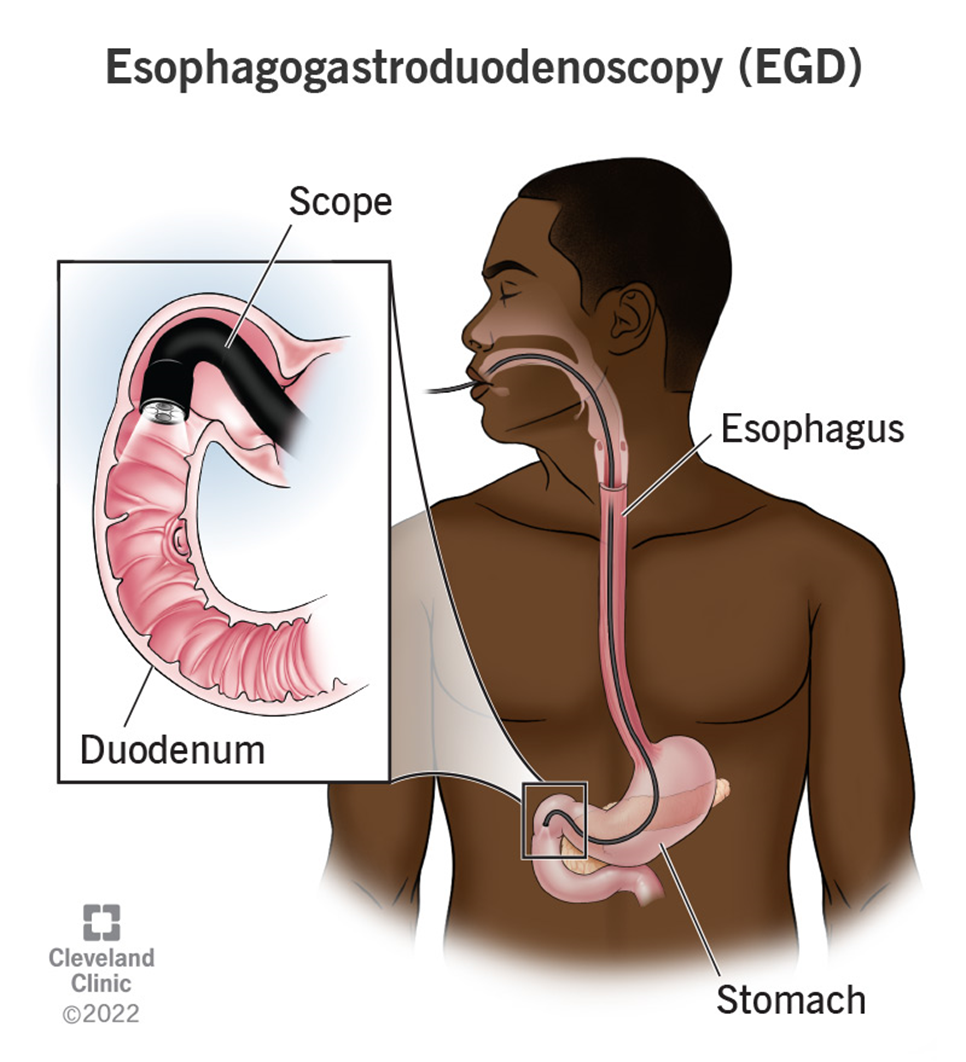
The nurse is caring for a client recovering from an esophagogastroduodenoscopy (EGD). Which of the following client symptoms would require further nursing assessment?
A. Thirst
: Thirst is a common and expected symptom after an EGD, especially if the client has been fasting before the procedure. It does not typically indicate a complication and can be managed by gradually reintroducing fluids as tolerated. Therefore, thirst does not require further nursing assessment beyond routine post-procedure care.
B. Sore throat
: A sore throat is also a common symptom following an EGD. The procedure involves passing an endoscope through the throat, which can cause temporary irritation and discomfort. This symptom usually resolves on its own within a few days and does not indicate a serious complication. Therefore, a sore throat does not require further nursing assessment beyond providing comfort measures such as lozenges or warm saltwater gargles.
C. Abdominal distention
: Abdominal distention is a concerning symptom that requires further nursing assessment. It can indicate complications such as perforation, bleeding, or infection following the EGD. Perforation of the gastrointestinal tract is a rare but serious complication that can lead to peritonitis and sepsis if not promptly addressed. Therefore, any signs of abdominal distention should be reported to the provider immediately for further evaluation and intervention.
D. Drowsiness
: Drowsiness is a common side effect of the sedatives used during the EGD procedure. It is expected that the client may feel drowsy or sleepy for a few hours after the procedure as the sedative wears off. This symptom does not typically require further nursing assessment unless it persists for an unusually long time or is accompanied by other concerning symptoms such as difficulty breathing or altered mental status.
Full Explanation
Choice A Reason:
Thirst is a common and expected symptom after an EGD, especially if the client has been fasting before the procedure. It does not typically indicate a complication and can be managed by gradually reintroducing fluids as tolerated. Therefore, thirst does not require further nursing assessment beyond routine post-procedure care.
Choice B Reason:
A sore throat is also a common symptom following an EGD. The procedure involves passing an endoscope through the throat, which can cause temporary irritation and discomfort. This symptom usually resolves on its own within a few days and does not indicate a serious complication. Therefore, a sore throat does not require further nursing assessment beyond providing comfort measures such as lozenges or warm saltwater gargles.
Choice C Reason:
Abdominal distention is a concerning symptom that requires further nursing assessment. It can indicate complications such as perforation, bleeding, or infection following the EGD. Perforation of the gastrointestinal tract is a rare but serious complication that can lead to peritonitis and sepsis if not promptly addressed. Therefore, any signs of abdominal distention should be reported to the provider immediately for further evaluation and intervention.
Choice D Reason:
Drowsiness is a common side effect of the sedatives used during the EGD procedure. It is expected that the client may feel drowsy or sleepy for a few hours after the procedure as the sedative wears off. This symptom does not typically require further nursing assessment unless it persists for an unusually long time or is accompanied by other concerning symptoms such as difficulty breathing or altered mental status.