Nursing practice questions with comprehensive rationales
NurseDive Free Nursing Practice Question
A nurse at a community health clinic is caring for a client who reports a headache and stiff neck. Which of the following actions should the nurse perform first?
A. Obtain a throat culture specimen.
Obtaining a throat culture specimen might be necessary if a throat infection is suspected, but it is not the immediate priority without first assessing the presence of fever or other systemic signs.
B. Perform a complete blood count.
Performing a complete blood count could be useful in diagnosing underlying conditions or infections but is not the initial action; the temperature check provides immediate information about potential systemic infection.
C. Check the client's temperature.
Check the client's temperature.Headache and stiff neck are symptoms that could be associated with various conditions, including infections such as meningitis. A fever often accompanies infections, and checking the client's temperature helps in identifying if there is a fever, which could be indicative of an infection requiring further evaluation and treatment.
D. Administer an oral analgesic.
Administering an oral analgesic could provide symptom relief but does not address the underlying cause of the symptoms. It is essential first to assess the client’s condition fully before initiating symptomatic treatment.
This question is an excerpt from Nurse Dive's nursing test bank - ATI Custom MS Nurse Proctored Exam. Take the full exam now
Full Explanation
A. Obtaining a throat culture specimen might be necessary if a throat infection is suspected, but it is not the immediate priority without first assessing the presence of fever or other systemic signs.
B. Performing a complete blood count could be useful in diagnosing underlying conditions or infections but is not the initial action; the temperature check provides immediate information about potential systemic infection.
C. Check the client's temperature.Headache and stiff neck are symptoms that could be associated with various conditions, including infections such as meningitis. A fever often accompanies infections, and checking the client's temperature helps in identifying if there is a fever, which could be indicative of an infection requiring further evaluation and treatment.
D. Administering an oral analgesic could provide symptom relief but does not address the underlying cause of the symptoms. It is essential first to assess the client’s condition fully before initiating symptomatic treatment.

Similar Questions
A nurse is caring for a client who has osteoporosis and is taking calcium carbonate. The nurse should monitor the client for which of the following adverse effects?
A. Urinary retention
Urinary retention is not a common adverse effect of calcium carbonate.
B. Tinnitus
Tinnitus is not a common adverse effect of calcium carbonate.
C. Flank pain
The nurse should monitor the client for flank pain as an adverse effect of taking calcium carbonate. Calcium carbonate is a calcium supplement used to prevent or treat a calcium deficiency¹. One of the side effects of calcium carbonate is the formation of kidney stones, which can cause flank pain.
D. Bradycardia
Bradycardia is not a common adverse effect of calcium carbonate.
Full Explanation
The nurse should monitor the client for flank pain as an adverse effect of taking calcium carbonate. Calcium carbonate is a calcium supplement used to prevent or treat a calcium deficiency¹. One of the side effects of calcium carbonate is the formation of kidney stones, which can cause flank pain².
a. Urinary retention is not a common adverse effect of calcium carbonate.
b. Tinnitus is not a common adverse effect of calcium carbonate.
d. Bradycardia is not a common adverse effect of calcium carbonate.
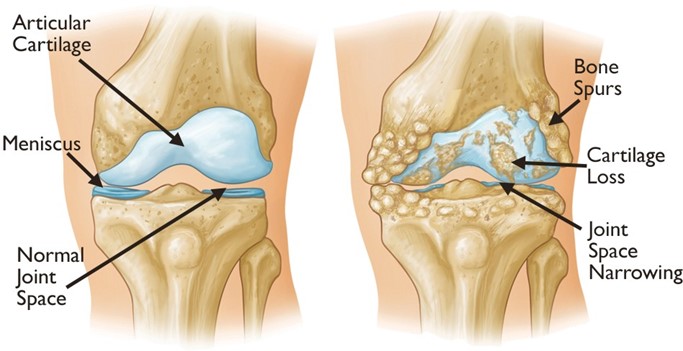
A nurse is reinforcing teaching with a client who has a knee injury. When describing range-of-motion exercises, the nurse should explain that the knee is which of the following types of joints?
A. Pivot
The knee is not a pivot joint.
B. Hinge
The knee is a hinge type of joint. When describing range-of-motion exercises, the nurse should explain that the knee is a hinge joint. A hinge joint is a type of synovial joint that mainly allows for flexion and extension (and a small degree of medial and lateral rotation)¹. The knee joint is formed by articulations between the patella, femur, and tibia.
C. Ball and socket
The knee is not a ball and socket joint.
D. Gliding
The knee is not a gliding joint.
Full Explanation
The knee is a hinge type of joint. When describing range-of-motion exercises, the nurse should explain that the knee is a hinge joint. A hinge joint is a type of synovial joint that mainly allows for flexion and extension (and a small degree of medial and lateral rotation)¹. The knee joint is formed by articulations between the patella, femur, and tibia.
a. The knee is not a pivot joint.
c. The knee is not a ball and socket joint.
d. The knee is not a gliding joint.
A nurse in a clinic is collecting data from an older adult client who has a new diagnosis of osteoarthritis. Which of the following medications should the nurse anticipate the provider will initially prescribe to the client?
A. Hyaluronic acid
Hyaluronic acid is not typically the first medication prescribed for osteoarthritis.
B. Ibuprofen
Ibuprofen may be prescribed for osteoarthritis but is not typically the first medication prescribed.
C. Acetaminophen
The nurse should anticipate that the provider will initially prescribe acetaminophen to the client who has a new diagnosis of osteoarthritis. Acetaminophen (Tylenol, others) has been shown to help some people with osteoarthritis who have mild to moderate pain. It is often used as a first-line treatment for osteoarthritis pain.
D. Celecoxib
Celecoxib may be prescribed for osteoarthritis but is not typically the first medication prescribed.
Full Explanation
The nurse should anticipate that the provider will initially prescribe acetaminophen to the client who has a new diagnosis of osteoarthritis. Acetaminophen (Tylenol, others) has been shown to help some people with osteoarthritis who have mild to moderate pain². It is often used as a first-line treatment for osteoarthritis pain.
a. Hyaluronic acid is not typically the first medication prescribed for osteoarthritis.
b. Ibuprofen may be prescribed for osteoarthritis but is not typically the first medication prescribed.
d. Celecoxib may be prescribed for osteoarthritis but is not typically the first medication prescribed.