Nursing practice questions with comprehensive rationales
NurseDive Free Nursing Practice Question
A nurse is reinforcing teaching with a client who has a knee injury. When describing range-of-motion exercises, the nurse should explain that the knee is which of the following types of joints?
A. Pivot
The knee is not a pivot joint.
B. Hinge
The knee is a hinge type of joint. When describing range-of-motion exercises, the nurse should explain that the knee is a hinge joint. A hinge joint is a type of synovial joint that mainly allows for flexion and extension (and a small degree of medial and lateral rotation)¹. The knee joint is formed by articulations between the patella, femur, and tibia.
C. Ball and socket
The knee is not a ball and socket joint.
D. Gliding
The knee is not a gliding joint.
This question is an excerpt from Nurse Dive's nursing test bank - ATI Custom MS Nurse Proctored Exam. Take the full exam now
Full Explanation
The knee is a hinge type of joint. When describing range-of-motion exercises, the nurse should explain that the knee is a hinge joint. A hinge joint is a type of synovial joint that mainly allows for flexion and extension (and a small degree of medial and lateral rotation)¹. The knee joint is formed by articulations between the patella, femur, and tibia.
a. The knee is not a pivot joint.
c. The knee is not a ball and socket joint.
d. The knee is not a gliding joint.
Similar Questions
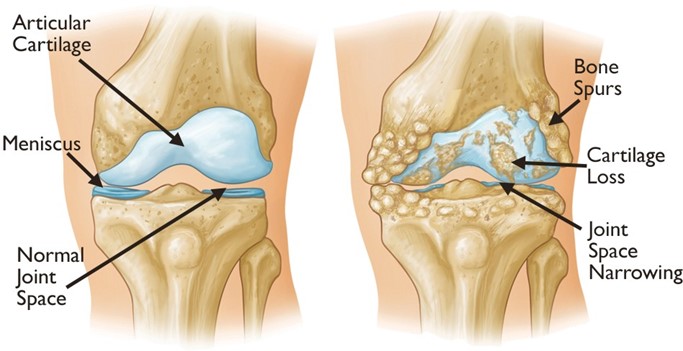
A nurse in a clinic is collecting data from an older adult client who has a new diagnosis of osteoarthritis. Which of the following medications should the nurse anticipate the provider will initially prescribe to the client?
A. Hyaluronic acid
Hyaluronic acid is not typically the first medication prescribed for osteoarthritis.
B. Ibuprofen
Ibuprofen may be prescribed for osteoarthritis but is not typically the first medication prescribed.
C. Acetaminophen
The nurse should anticipate that the provider will initially prescribe acetaminophen to the client who has a new diagnosis of osteoarthritis. Acetaminophen (Tylenol, others) has been shown to help some people with osteoarthritis who have mild to moderate pain. It is often used as a first-line treatment for osteoarthritis pain.
D. Celecoxib
Celecoxib may be prescribed for osteoarthritis but is not typically the first medication prescribed.
Full Explanation
The nurse should anticipate that the provider will initially prescribe acetaminophen to the client who has a new diagnosis of osteoarthritis. Acetaminophen (Tylenol, others) has been shown to help some people with osteoarthritis who have mild to moderate pain². It is often used as a first-line treatment for osteoarthritis pain.
a. Hyaluronic acid is not typically the first medication prescribed for osteoarthritis.
b. Ibuprofen may be prescribed for osteoarthritis but is not typically the first medication prescribed.
d. Celecoxib may be prescribed for osteoarthritis but is not typically the first medication prescribed.
A nurse is collecting data from a client following the application of a leg cast for the treatment of a fracture. Which of the following findings should the nurse expect to find first if the cast is too tight?
A. Toes cool to touch
When a cast is too tight, it can compromise blood circulation to the extremity. This results in decreased blood flow and reduced oxygenation, causing the toes to feel cool to the touch.
B. Inability to move toes
Inability to move toes is a significant concern that can also indicate nerve compression due to a tight cast. However, it may not be the first sign of a tight cast, as impaired blood circulation will likely be evident before nerve damage.
C. Pallor of the toes
Pallor of the toes, or a pale appearance, can occur when there is restricted blood flow. However, the coolness of the toes is often noticeable before pallor develops.
D. Edema of the toes
Edema of the toes, or swelling, can occur due to a tight cast, but it is usually a later sign. Initially, the toes may feel cool to the touch, followed by other symptoms such as pallor, pain, and eventually, swelling.
Full Explanation
The correct answer is choice A: Toes cool to touch.
Choice A rationale: When a cast is too tight, it can compromise blood circulation to the extremity. This results in decreased blood flow and reduced oxygenation, causing the toes to feel cool to the touch.
Choice B rationale: Inability to move toes is a significant concern that can also indicate nerve compression due to a tight cast. However, it may not be the first sign of a tight cast, as impaired blood circulation will likely be evident before nerve damage.
Choice C rationale: Pallor of the toes, or a pale appearance, can occur when there is restricted blood flow. However, the coolness of the toes is often noticeable before pallor develops.
Choice D rationale: Edema of the toes, or swelling, can occur due to a tight cast, but it is usually a later sign. Initially, the toes may feel cool to the touch, followed by other symptoms such as pallor, pain, and eventually, swelling.
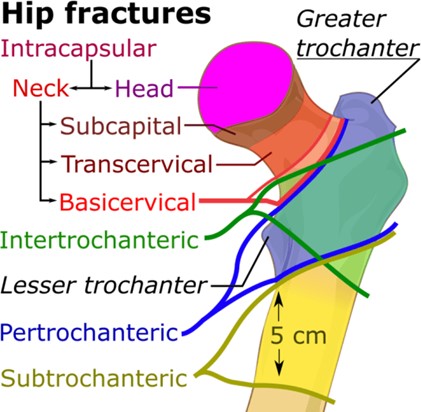
An older adult client on an orthopedic unit has an intracapsular fracture of the right hip following a fall. The client is in Buck's traction and will have hip prosthesis surgery in the morning. The nurse should reinforce with the client that this type of traction promotes which of the following outcomes?
A. Reduction of the fracture
Reduction of the fracture is not the primary purpose of Buck's traction.
B. Support for moving the extremity
Support for moving the extremity is not a primary outcome of Buck's traction.
C. Alignment of the pins
Alignment of the pins is not applicable to Buck's traction as it does not involve inserting pins into the bone.
D. Relief from muscle spasms
The nurse should reinforce to the client that Buck's traction promotes relief from muscle spasms. Buck's traction is a type of skin traction that is widely used for fractures of the femur and hip². It uses splints, bandages, and adhesive tapes to position a limb near the fracture and then applies pressure using weights and pulleys. One of the goals of Buck's traction is to lessen or eliminate muscular spasms.
Full Explanation
The nurse should reinforce to the client that Buck's traction promotes relief from muscle spasms. Buck's traction is a type of skin traction that is widely used for fractures of the femur and hip². It uses splints, bandages, and adhesive tapes to position a limb near the fracture and then applies pressure using weights and pulleys. One of the goals of Buck's traction is to lessen or eliminate muscular spasms.
a. Reduction of the fracture is not the primary purpose of Buck's traction.
b. Support for moving the extremity is not a primary outcome of Buck's traction.
c. Alignment of the pins is not applicable to Buck's traction as it does not involve inserting pins into the
bone.