Nursing practice questions with comprehensive rationales
NurseDive Free Nursing Practice Question
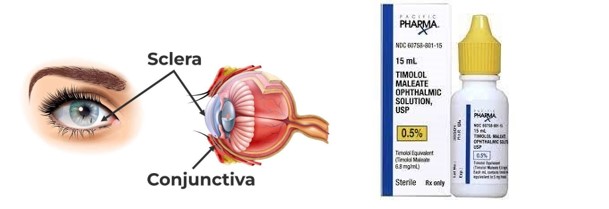
A nurse at an ophthalmology clinic Is providing teaching to a client who has open-angle glaucoma and a new treatment regimen of timolol and pilocarpine eye drops. Which of the following instructions should the nurse provide?
A. Administer the medications by touching the tip of the dropper to the sclera of the eye
B. Hold the pressure on the conjunctiva sac for 2 mm following application of drops
C. Administer the mediations 5 mm apart.
According to Mayo Clinic, if you are using more than one eye product, you should apply these medicines at least 5 minutes apart1. None of the other options are listed as instructions for administering timolol and pilocarpine eye drops.
D. It is not necessary to remove contact lenses before administering medications.
This question is an excerpt from Nurse Dive's nursing test bank - ATI Custom Pharmacology Proctored Exam 2. Take the full exam now
Full Explanation
According to Mayo Clinic, if you are using more than one eye product, you should apply these medicines at least 5 minutes apart1. None of the other options are listed as instructions for administering timolol and pilocarpine eye drops.
Similar Questions
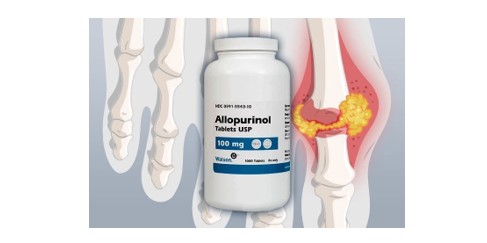
A nurse is caring for a client who has developed gout. Which of the following medications should the nurse prepare to administer?
A. Alprazolam
Option a, Alprazolam, is a medication used to treat anxiety and panic disorders. It is not used in the treatment of gout.
B. Spironolactone
Option b, Spironolactone, is a medication used to treat high blood pressure, edema, and certain types of hormonal imbalances. It is not used in the treatment of gout.
C. Zolpidem
Option c, Zolpidem, is a medication used to treat insomnia. It is not used in the treatment of gout.
D. Allopurinol
Gout is a type of arthritis caused by a build-up of uric acid crystals in the joints, leading to inflammation, pain, and swelling. Allopurinol is a medication used to treat gout by reducing the production of uric acid in the body. It works by inhibiting the enzyme xanthine oxidase, which is responsible for producing uric acid.
Full Explanation
Gout is a type of arthritis caused by a build-up of uric acid crystals in the joints, leading to inflammation, pain, and swelling. Allopurinol is a medication used to treat gout by reducing the production of uric acid in the body. It works by inhibiting the enzyme xanthine oxidase, which is responsible for producing uric acid.
Option a, Alprazolam, is a medication used to treat anxiety and panic disorders. It is not used in the treatment of gout.
Option b, Spironolactone, is a medication used to treat high blood pressure, edema, and certain types of hormonal imbalances. It is not used in the treatment of gout.
Option c, Zolpidem, is a medication used to treat insomnia. It is not used in the treatment of gout.
A nurse is preparing to administer medications to a client who states. "I don't want to take those drugs.’ Which of the following actions should the nurse take?
A. Explain the purpose for the medications.
The nurse should provide information about the purpose, benefits, and potential side effects of the medications to help the client make an informed decision. Educating the client may alleviate their concerns and encourage adherence to the treatment plan. This should come after asking them why they do not want to take the medication.
B. Tell the client the physician wants him to take the medications.
Simply stating that the physician wants the client to take the medications does not provide the client with adequate information or address their concerns, undermining their autonomy.
C. Ask the client why he is refusing to take the medication.
Asking why is an assessment - the very first step in the nursing process. It respects the patient’s autonomy, uncovers the reason for refusal (e.g., fear of side effects, misunderstanding, cost, cultural/religious beliefs, prior bad experience, or allergy), and lets you tailor your response (education, alternative meds, contacting the prescriber). If the patient lacks capacity or the refusal poses immediate danger, that changes the response - but you must assess first.
D. Document that the client refuses the medication.
This is correct as a secondary action after education and efforts to resolve the client's concerns. Documentation should include the client's reason for refusal, any teaching provided, and the healthcare provider's notification if needed.
E. None
None
F. None
None
A nurse is caring for a child who is allergic to penicillin. The nurse should verify which of the following prescriptions with the provider?
A. Erythromycin
None
B. Gentamicin
None
C. Amoxicillin-clavulanate
According to UpToDate, cross-reactivity between penicillins and other beta-lactam antibiotics such as cephalosporins can occur in some cases1. Amoxicillin is a type of penicillin, so the nurse should verify this prescription with the provider to ensure that it is safe for the client to take.
D. Amphotericin B
None
Full Explanation
According to UpToDate, cross-reactivity between penicillins and other beta-lactam antibiotics such as cephalosporins can occur in some cases. Amoxicillin is a type of penicillin, so the nurse should verify this prescription with the provider to ensure that it is safe for the client to take.