
Nursing practice questions with comprehensive rationales
NurseDive Free Nursing Practice Question
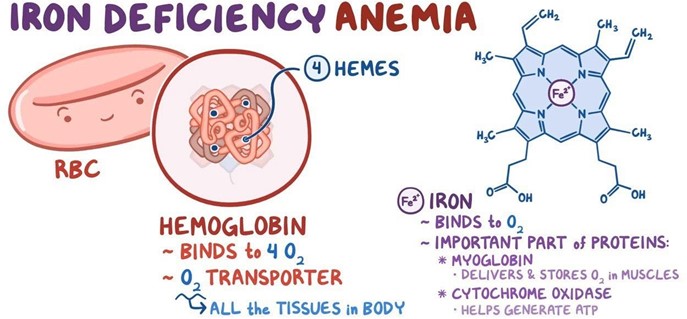
A nurse in a pediatric clinic is caring for a child who has iron deficiency anemia and a new prescription for ferrous sulfate tablets. Which of the following instructions should the nurse provide the parents regarding the administration of this medication?
A. Iron (Ferrous Sulfate) may turn stools tarry green.
This instruction is correct, as iron supplements can cause a change in the color and consistency of stools, making them dark, green, or black. This is not a sign of bleeding or infection, but a normal side effect of iron therapy. The parents should be informed of this possibility and reassured that it is harmless.
B. Administer at bedtime.
This instruction is incorrect, as iron supplements should not be administered at bedtime, but rather one hour before or two hours after meals. This is because iron absorption is reduced by food, especially dairy products, antacids, or calcium supplements. The parents should be instructed to give the medication on an empty stomach or with a small amount of food if it causes nausea.
C. Give with a 240 mL (8 oz) glass of milk.
This instruction is incorrect, as iron supplements should not be given with milk, as milk contains calcium, which can interfere with iron absorption and reduce its effectiveness. The parents should be instructed to avoid giving milk or other dairy products within two hours of the medication.
D. Administer at mealtimes.
This instruction is incorrect, as iron supplements should not be administered at mealtimes, but rather one hour before or two hours after meals. This is because iron absorption is reduced by food, especially dairy products, antacids, or calcium supplements. The parents should be instructed to give the medication on an empty stomach or with a small amount of food if it causes nausea.
This question is an excerpt from Nurse Dive's nursing test bank - ATI Pediatric Proctored Exam 3. Take the full exam now
Full Explanation
Choice A: This instruction is correct, as iron supplements can cause a change in the color and consistency of stools, making them dark, green, or black. This is not a sign of bleeding or infection, but a normal side effect of iron therapy. The parents should be informed of this possibility and reassured that it is harmless.
Choice B: This instruction is incorrect, as iron supplements should not be administered at bedtime, but rather one hour before or two hours after meals. This is because iron absorption is reduced by food, especially dairy products, antacids, or calcium supplements. The parents should be instructed to give the medication on an empty stomach or with a small amount of food if it causes nausea.
Choice C: This instruction is incorrect, as iron supplements should not be given with milk, as milk contains calcium, which can interfere with iron absorption and reduce its effectiveness. The parents should be instructed to avoid giving milk or other dairy products within two hours of the medication.
Choice D: This instruction is incorrect, as iron supplements should not be administered at mealtimes, but rather one hour before or two hours after meals. This is because iron absorption is reduced by food, especially dairy products, antacids, or calcium supplements. The parents should be instructed to give the medication on an empty stomach or with a small amount of food if it causes nausea.
Similar Questions
A nurse is caring for a 7-year-old child who has an upper respiratory infection and type 1 diabetes mellitus. Which of the following statements by the mother indicates a need for further instruction?
A. "I will notify the doctor if her temperature is not controlled with acetaminophen."
This statement is correct, as the mother should notify the doctor if the child's temperature is not controlled with acetaminophen, which is an antipyretic and analgesic medication that can lower fever and relieve pain. A high fever can increase the child's metabolic rate and insulin requirements, which can lead to hyperglycemia or ketoacidosis.
B. "I will continue to check his blood sugar two times every day."
This statement is incorrect, as the mother should check the child's blood sugar more frequently than two times every day, especially when the child is sick. An upper respiratory infection can cause inflammation and stress hormones, which can increase the child's blood sugar levels and insulin needs. The mother should monitor the child's blood sugar at least four times a day or more often if indicated by symptoms or ketone testing.
C. "I will encourage her to drink half a cup of water or sugar-free fluids every 30 minutes."
This statement is correct, as the mother should encourage the child to drink half a cup of water or sugar-free fluids every 30 minutes, which can prevent dehydration and flush out excess glucose and ketones from the body. Dehydration can worsen hyperglycemia and ketoacidosis, which are serious complications of diabetes.
D. "I will report a change in her breathing or any signs of confusion."
This statement is correct, as the mother should report a change in the child's breathing or any signs of confusion, which can indicate respiratory distress or cerebral edema. Respiratory distress can occur due to hypoxia or acidosis, which can impair oxygen delivery and carbon dioxide elimination. Cerebral edema can occur due to fluid shifts or electrolyte imbalances, which can cause increased intracranial pressure and neurological impairment.
Full Explanation
Choice A: This statement is correct, as the mother should notify the doctor if the child's temperature is not controlled with acetaminophen, which is an antipyretic and analgesic medication that can lower fever and relieve pain. A high fever can increase the child's metabolic rate and insulin requirements, which can lead to hyperglycemia or ketoacidosis.
Choice B: This statement is incorrect, as the mother should check the child's blood sugar more frequently than two times every day, especially when the child is sick. An upper respiratory infection can cause inflammation and stress hormones, which can increase the child's blood sugar levels and insulin needs. The mother should monitor the child's blood sugar at least four times a day or more often if indicated by symptoms or ketone testing.
Choice C: This statement is correct, as the mother should encourage the child to drink half a cup of water or sugar-free fluids every 30 minutes, which can prevent dehydration and flush out excess glucose and ketones from the body. Dehydration can worsen hyperglycemia and ketoacidosis, which are serious complications of diabetes.
Choice D: This statement is correct, as the mother should report a change in the child's breathing or any signs of confusion, which can indicate respiratory distress or cerebral edema. Respiratory distress can occur due to hypoxia or acidosis, which can impair oxygen delivery and carbon dioxide elimination. Cerebral edema can occur due to fluid shifts or electrolyte imbalances, which can cause increased intracranial pressure and neurological impairment.
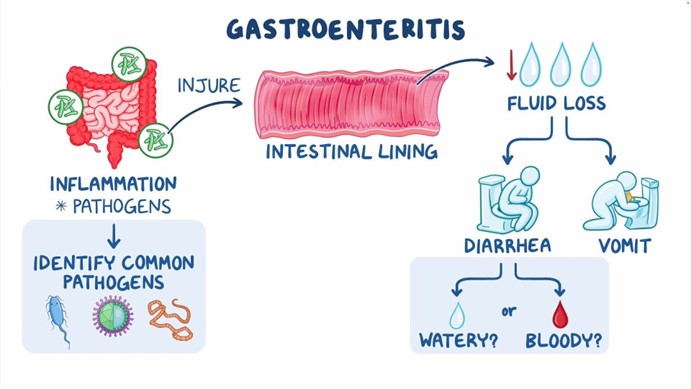
A nurse is admitting an infant who has severe dehydration from acute gastroenteritis. Which of the following findings should the nurse expect?
A. 13% weight loss
A 13% weight loss is a sign of severe dehydration in an infant, as it indicates a significant loss of body fluids and electrolytes. Dehydration can occur in an infant who has acute gastroenteritis, which is a condition that causes inflammation of the stomach and intestines, leading to vomiting and diarrhea. A 13% weight loss can also cause other signs of dehydration, such as sunken eyes, dry mouth, decreased urine output, and lethargy.
B. Bulging anterior fontanel
A bulging anterior fontanel is not a sign of dehydration in an infant, but rather a sign of increased intracranial pressure, which can be caused by various conditions, such as meningitis, encephalitis, or head trauma. A bulging anterior fontanel can also cause other signs of increased intracranial pressure, such as irritability, headache, vomiting, or seizures.
C. Capillary refill 3 seconds
A capillary refill of 3 seconds is not a sign of dehydration in an infant, but rather a sign of normal perfusion and circulation. Capillary refill is the time it takes for the color to return to the nail bed after applying pressure. A normal capillary refill is less than 2 seconds. A prolonged capillary refill of more than 2 seconds can indicate poor perfusion and circulation, which can be caused by various conditions, such as shock, hypothermia, or heart failure.
D. Bradypnea
Bradypnea is not a sign of dehydration in an infant, but rather a sign of decreased respiratory rate, which can be caused by various conditions, such as hypoxia, narcotic overdose, or brain injury. Bradypnea can also cause other signs of respiratory distress, such as cyanosis, confusion, or loss of consciousness.
Full Explanation
Choice A: A 13% weight loss is a sign of severe dehydration in an infant, as it indicates a significant loss of body fluids and electrolytes. Dehydration can occur in an infant who has acute gastroenteritis, which is a condition that causes inflammation of the stomach and intestines, leading to vomiting and diarrhea. A 13% weight loss can also cause other signs of dehydration, such as sunken eyes, dry mouth, decreased urine output, and lethargy.
Choice B: A bulging anterior fontanel is not a sign of dehydration in an infant, but rather a sign of increased intracranial pressure, which can be caused by various conditions, such as meningitis, encephalitis, or head trauma. A bulging anterior fontanel can also cause other signs of increased intracranial pressure, such as irritability, headache, vomiting, or seizures.
Choice C: A capillary refill of 3 seconds is not a sign of dehydration in an infant, but rather a sign of normal perfusion and circulation. Capillary refill is the time it takes for the color to return to the nail bed after applying pressure. A normal capillary refill is less than 2 seconds. A prolonged capillary refill of more than 2 seconds can indicate poor perfusion and circulation, which can be caused by various conditions, such as shock, hypothermia, or heart failure.
Choice D: Bradypnea is not a sign of dehydration in an infant, but rather a sign of decreased respiratory rate, which can be caused by various conditions, such as hypoxia, narcotic overdose, or brain injury. Bradypnea can also cause other signs of respiratory distress, such as cyanosis, confusion, or loss of consciousness.
A nurse is orienting a newly licensed nurse in the care of an infant who has myelomeningocele. Which of the following actions by the newly licensed nurse indicates the teaching has been effective?
A. Performs range of motion on the infant's hips
Performing range of motion on the infant's hips is not appropriate for an infant who has myelomeningocele, which is a type of spina bifida that causes a sac-like protrusion of the spinal cord and nerves through an opening in the spine. Performing range of motion on the infant's hips can cause nerve damage or pain in the lower extremities, which may already be affected by the condition.
B. Takes an axillary temperature
Taking an axillary temperature is appropriate for an infant who has myelomeningocele, as it is a non-invasive and accurate method of measuring body temperature. An axillary temperature is taken by placing a thermometer under the armpit and holding the arm close to the body. Taking an axillary temperature can help monitor for signs of infection or inflammation, which are common complications of myelomeningocele.
C. Place the infant in a side-lying position
Placing the infant in a side-lying position is not appropriate for an infant who has myelomeningocele, as it can cause pressure or friction on the sac and increase the risk of rupture or infection. The correct position for an infant with myelomeningocele is prone with hips slightly flexed and legs abducted. This position can prevent trauma and promote drainage from the sac.
D. Maintains a dry dressing over the sac
Maintaining a dry dressing over the sac is not appropriate for an infant who has myelomeningocele, as it can cause irritation or infection of the sac and surrounding skin. The correct dressing for an infant with myelomeningocele is moist and sterile with saline or antibiotic solution. This dressing can prevent drying and cracking of the sac and reduce bacterial growth.
Full Explanation
Choice A: Performing range of motion on the infant's hips is not appropriate for an infant who has myelomeningocele, which is a type of spina bifida that causes a sac-like protrusion of the spinal cord and nerves through an opening in the spine. Performing range of motion on the infant's hips can cause nerve damage or pain in the lower extremities, which may already be affected by the condition.
Choice B: Taking an axillary temperature is appropriate for an infant who has myelomeningocele, as it is a non-invasive and accurate method of measuring body temperature. An axillary temperature is taken by placing a thermometer under the armpit and holding the arm close to the body. Taking an axillary temperature can help monitor for signs of infection or inflammation, which are common complications of myelomeningocele.
Choice C: Placing the infant in a side-lying position is not appropriate for an infant who has myelomeningocele, as it can cause pressure or friction on the sac and increase the risk of rupture or infection. The correct position for an infant with myelomeningocele is prone with hips slightly flexed and legs abducted. This position can prevent trauma and promote drainage from the sac.
Choice D: Maintaining a dry dressing over the sac is not appropriate for an infant who has myelomeningocele, as it can cause irritation or infection of the sac and surrounding skin. The correct dressing for an infant with myelomeningocele is moist and sterile with saline or antibiotic solution. This dressing can prevent drying and cracking of the sac and reduce bacterial growth.