
Nursing practice questions with comprehensive rationales
NurseDive Free Nursing Practice Question
A nurse in a provider's office is caring for a client who has a medical history of rheumatoid arthritis and psoriasis, and a family history of heart disease and arthritis. The client has a 60-year smoking history and denies alcohol or other substance use. They are positive for Helicobacter pylori and are on medication for peptic ulcer disease (PUD). Which three findings from the client's medical record increase their risk for peptic ulcer disease?
A. Family history
While family history can contribute to the risk of developing certain conditions, it is not a direct risk factor for peptic ulcer disease.
B. Smoking history
A long-term smoking history is a known risk factor for peptic ulcer disease as it can increase gastric acid secretion and reduce the production of substances that protect the stomach lining.
C. Alcohol use
The client denies alcohol use; therefore, it is not a contributing risk factor in this case. However, alcohol use is generally a risk factor for PUD due to its irritating effect on the stomach lining.
D. Positive for H. pylori
Being positive for Helicobacter pylori is one of the strongest risk factors for peptic ulcer disease. This bacterium damages the protective mucosal layer of the stomach and duodenum, leading to chronic inflammation and allowing acid to injure the underlying tissue. It is the leading cause of most gastric and duodenal ulcers worldwide.
E. NSAID use
NSAID use is a well-established risk factor for peptic ulcer disease as these medications can disrupt the protective lining of the stomach, leading to ulcers.
This question is an excerpt from Nurse Dive's nursing test bank - Ati Med Surg Proctored Exam Midterm Rn 36 1125. Take the full exam now
Full Explanation
Choice A rationale
While family history can contribute to the risk of developing certain conditions, it is not a direct risk factor for peptic ulcer disease.
Choice B rationale
A long-term smoking history is a known risk factor for peptic ulcer disease as it can increase gastric acid secretion and reduce the production of substances that protect the stomach lining.
Choice C rationale
The client denies alcohol use; therefore, it is not a contributing risk factor in this case. However, alcohol use is generally a risk factor for PUD due to its irritating effect on the stomach lining.
Choice D rationale
Being positive for Helicobacter pylori is one of the strongest risk factors for peptic ulcer disease. This bacterium damages the protective mucosal layer of the stomach and duodenum, leading to chronic inflammation and allowing acid to injure the underlying tissue. It is the leading cause of most gastric and duodenal ulcers worldwide.
Choice E rationale
NSAID use is a well-established risk factor for peptic ulcer disease as these medications can disrupt the protective lining of the stomach, leading to ulcers.
Similar Questions
A 42-year-old patient is newly diagnosed with inflammatory bowel disease (IBD). The patient asks, "Can this be cured?" Which of the following treatment goals are appropriate for a patient with IBD? (Select all that apply.)
A. Combat infection
While infections can occur in IBD, the primary goal is not to combat infection but to manage the underlying inflammation¹.
B. Control inflammation
Controlling inflammation is a key treatment goal in IBD to alleviate symptoms and induce and maintain remission².
C. Correct and prevent malnutrition
Correcting and preventing malnutrition is essential in IBD management due to potential nutrient absorption issues¹.
D. Increase stress
Increasing stress is not a treatment goal for IBD. In fact, reducing stress can help manage IBD symptoms².
E. Cure illness
While IBD currently has no cure, the goals are to manage symptoms, induce remission, and improve quality of life².
Full Explanation
Choice A rationale
While infections can occur in IBD, the primary goal is not to combat infection but to manage the underlying inflammation¹.
Choice B rationale
Controlling inflammation is a key treatment goal in IBD to alleviate symptoms and induce and maintain remission².
Choice C rationale
Correcting and preventing malnutrition is essential in IBD management due to potential nutrient absorption issues¹.
Choice D rationale
Increasing stress is not a treatment goal for IBD. In fact, reducing stress can help manage IBD symptoms².
Choice E rationale
While IBD currently has no cure, the goals are to manage symptoms, induce remission, and improve quality of life².
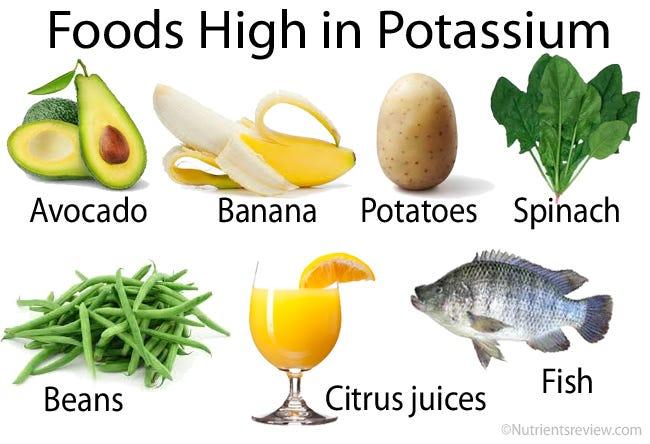
A nurse is teaching a client who has chronic kidney disease about limiting foods that are high in potassium. Which of the following foods should the nurse instruct the client to avoid? (Select all that apply.)
A. Chocolate
Chocolate is known to have moderate levels of potassium and should be limited in a diet for chronic kidney disease to prevent hyperkalemia¹.
B. Green Beans
Green beans are considered a lower potassium vegetable and can be included in a kidney-friendly diet in appropriate portions².
C. Tomatoes
Tomatoes are high in potassium and should be avoided by individuals with chronic kidney disease to maintain safe potassium levels¹.
D. Bananas
Bananas are very high in potassium and are one of the most well-known foods that individuals with chronic kidney disease are advised to avoid¹.
E. Asparagus
Asparagus is lower in potassium compared to other vegetables and can be consumed in moderation by people with chronic kidney disease².
F. Salt substitutes
Salt substitutes often contain potassium chloride and should be avoided as they can significantly increase potassium intake, which is harmful for those with chronic kidney disease¹.
Full Explanation
Choice A rationale
Chocolate is known to have moderate levels of potassium and should be limited in a diet for chronic kidney disease to prevent hyperkalemia¹.
Choice B rationale
Green beans are considered a lower potassium vegetable and can be included in a kidney-friendly diet in appropriate portions².
Choice C rationale
Tomatoes are high in potassium and should be avoided by individuals with chronic kidney disease to maintain safe potassium levels¹.
Choice D rationale
Bananas are very high in potassium and are one of the most well-known foods that individuals with chronic kidney disease are advised to avoid¹.
Choice E rationale
Asparagus is lower in potassium compared to other vegetables and can be consumed in moderation by people with chronic kidney disease².
Choice F rationale
Salt substitutes often contain potassium chloride and should be avoided as they can significantly increase potassium intake, which is harmful for those with chronic kidney disease¹.
Which of the following are causes of intrarenal acute kidney injury? (Select all that apply.)
A. Hemoglobin from hemolyzed RBCs
Hemoglobin released from hemolyzed red blood cells (RBCs) can cause intrarenal acute kidney injury by obstructing the renal tubules and damaging the nephrons.
B. Benign prostatic hyperplasia
Benign prostatic hyperplasia is a cause of postrenal, not intrarenal, acute kidney injury as it can obstruct the flow of urine out of the bladder.
C. Prostate cancer
Prostate cancer, similar to benign prostatic hyperplasia, typically leads to postrenal acute kidney injury due to urinary obstruction.
D. Myoglobin release from necrotic muscle cells
Myoglobin released from necrotic muscle cells, as seen in conditions like rhabdomyolysis, can cause intrarenal acute kidney injury by precipitating in the renal tubules.
E. Nephrotoxins
Nephrotoxins, such as certain medications, chemicals, or toxins, can directly damage the kidney tissue, leading to intrarenal acute kidney injury.
Full Explanation
Choice A rationale
Hemoglobin released from hemolyzed red blood cells (RBCs) can cause intrarenal acute kidney injury by obstructing the renal tubules and damaging the nephrons.
Choice B rationale
Benign prostatic hyperplasia is a cause of postrenal, not intrarenal, acute kidney injury as it can obstruct the flow of urine out of the bladder.
Choice C rationale
Prostate cancer, similar to benign prostatic hyperplasia, typically leads to postrenal acute kidney injury due to urinary obstruction.
Choice D rationale
Myoglobin released from necrotic muscle cells, as seen in conditions like rhabdomyolysis, can cause intrarenal acute kidney injury by precipitating in the renal tubules.
Choice E rationale
Nephrotoxins, such as certain medications, chemicals, or toxins, can directly damage the kidney tissue, leading to intrarenal acute kidney injury.