
Nursing practice questions with comprehensive rationales
NurseDive Free Nursing Practice Question
A nurse in a provider's office is collecting data from a client who has psoriasis.
Which of the following statements by the client should the nurse report to the provider?
A. I limit my time spent out in the sunlight
Sunlight exposure can actually be beneficial for clients with psoriasis, as ultraviolet (UV) light can help reduce the growth of skin cells and alleviate symptoms. If the client is limiting their sunlight exposure, they might be missing out on a potential therapeutic benefit. However, it is important to balance sun exposure and avoid overexposure to prevent skin damage.
B. I do not use fabric softener when I wash my clothing.
Avoiding fabric softener can be a proactive measure to prevent skin irritation, which is beneficial for someone with psoriasis.
C. I try not to look at the scales on my body.
This could indicate emotional distress or body image concerns, but it doesn’t necessarily need to be reported unless the client shows signs of depression or anxiety affecting their daily life.
D. I remove old medication on my skin before applying a new dose.
This is correct practice to ensure the effectiveness of the medication.
E. None
None
F. None
None
This question is an excerpt from Nurse Dive's nursing test bank - ATI PN Comprehensive Predictor 2023 Proctored Exam 4. Take the full exam now
Full Explanation
A. Sunlight exposure can actually be beneficial for clients with psoriasis, as ultraviolet (UV) light can help reduce the growth of skin cells and alleviate symptoms. If the client is limiting their sunlight exposure, they might be missing out on a potential therapeutic benefit. However, it is important to balance sun exposure and avoid overexposure to prevent skin damage.
B. Avoiding fabric softener can be a proactive measure to prevent skin irritation, which is beneficial for someone with psoriasis.
C. This could indicate emotional distress or body image concerns, but it doesn’t necessarily need to be reported unless the client shows signs of depression or anxiety affecting their daily life.
D. This is correct practice to ensure the effectiveness of the medication.

Similar Questions
A nurse is caring for a client who is postoperative following a subtotal thyroidectomy.
The nurse should place the client in which of the following positions?
A. Dorsal recumbent
Is a supine position with the knees flexed and the feet flat on the bed. This position is not typically used postoperatively for a subtotal thyroidectomy.
B. Supine
Is a position where the client lies flat on their back with their face up. While this position may be used for some postoperative clients, it is not the best choice for a client who has undergone a thyroidectomy due to the risk of swelling and respiratory discomfort.
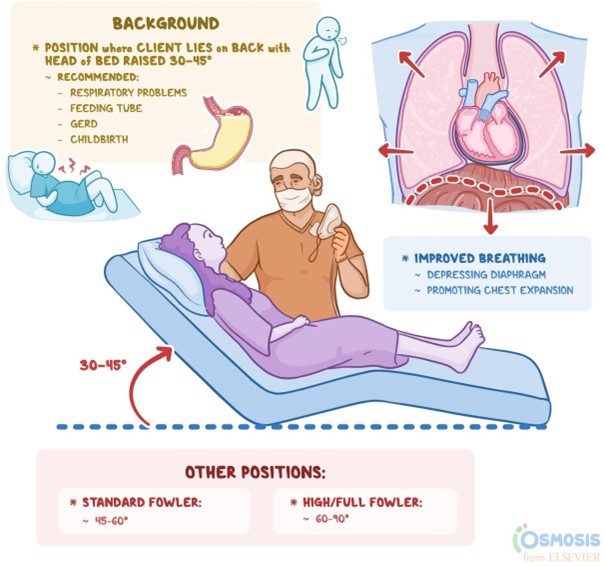
C. Semi-Fowler's
The Semi-Fowler's position is a sitting position with the head of the bed elevated at an angle between 30 to 45 degrees. This position helps to reduce swelling and promote comfort and respiratory function after a thyroidectomy. The elevation of the head and upper body helps to prevent pressure on the surgical site, reduces the risk of swelling, and facilitates breathing.
D. Left lateral
Is a side-lying position on the left side. This position may be used for clients undergoing certain surgical procedures or for certain medical conditions, but it is not specifically indicated for a client who has had a subtotal thyroidectomy.
Full Explanation
The Semi-Fowler's position is a sitting position with the head of the bed elevated at an angle between 30 to 45 degrees. This position helps to reduce swelling and promote comfort and respiratory function after a thyroidectomy. The elevation of the head and upper body helps to prevent pressure on the surgical site, reduces the risk of swelling, and facilitates breathing.
Dorsal recumbent in (option A) is incorrect because it, is a supine position with the knees flexed and the feet flat on the bed. This position is not typically used postoperatively for a subtotal thyroidectomy.
Supine in (option B) is incorrect because it, is a position where the client lies flat on their back with their face up. While this position may be used for some postoperative clients, it is not the best choice for a client who has undergone a thyroidectomy due to the risk of swelling and respiratory discomfort.
Left latera in (option D) is incorrect because it, is a side-lying position on the left side. This position may be used for clients undergoing certain surgical procedures or for certain medical conditions, but it is not specifically indicated for a client who has had a subtotal thyroidectomy.
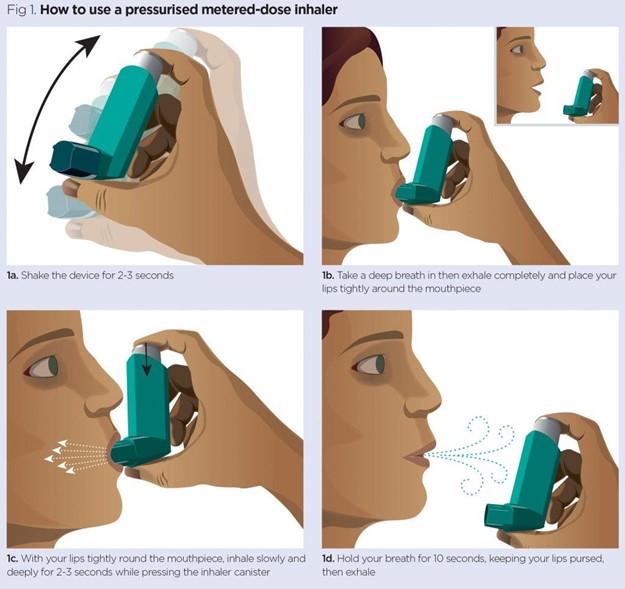
A nurse is reinforcing teaching with a client who is about to start using an albuterol metered- dose inhaler.
Which of the following instructions should the nurse include in the teaching?
A. Exhale immediately after inhaling.
The client should inhale slowly and deeply through the mouth, hold their breath for a few seconds, and then exhale slowly. This allows the medication to reach the lungs and be absorbed effectively.
B. Close your mouth around the mouthpiece.
Closing the mouth around the mouthpiece ensures that the medication is delivered directly into the airways. It helps to create a seal and prevents the medication from escaping through the sides of the mouth. This allows for effective delivery of the medication to the lungs.
C. Tilt your head forward while inhaling.
The client should maintain an upright position to ensure proper inhalation and prevent the medication from going down the throat.
D. Take three quick breaths while depressing the canister.
The client should take one slow and deep breath while depressing the canister to release a single dose of medication. This allows the medication to be properly delivered and inhaled into the lungs.
Full Explanation
Closing the mouth around the mouthpiece ensures that the medication is delivered directly into the airways. It helps to create a seal and prevents the medication from escaping through the sides of the mouth. This allows for effective delivery of the medication to the lungs.
Option A, exhaling immediately after inhaling, is not correct. The client should inhale slowly and deeply through the mouth, hold their breath for a few seconds, and then exhale slowly. This allows the medication to reach the lungs and be absorbed effectively.
Option C, tilting the head forward while inhaling, is not necessary for using an inhaler. The client should maintain an upright position to ensure proper inhalation and prevent the medication from going down the throat.
Option D, taking three quick breaths while depressing the canister, is not correct. The client should take one slow and deep breath while depressing the canister to release a single dose of medication. This allows the medication to be properly delivered and inhaled into the lungs.
A nurse is caring for a client who has paranoid schizophrenia and believes that they are being followed by FBI agents who are pretending to be psychiatric staff. Which of the following responses should the nurse make?
A. The psychiatric staff is not FBI. They are here to help you.
is not the best response as it directly denies the client's belief, which can further escalate their paranoia and potentially damage the therapeutic relationship.
B. What makes you think the staff is following you?
isnot the best response as it challenges the client's belief without providing validation or understanding. It may make the client defensive and reluctant to share their thoughts further.
C. This must be very frightening for you. Let's talk more about it.
By acknowledging and validating the client's feelings of fear and concern, the nurse establishes a supportive and empathetic approach. This response helps build trust and rapport with the client, creating an environment where open communication is encouraged. Engaging in further discussion allows the client to express their thoughts and beliefs, which can aid in understanding their perspective and providing appropriate care.
D. Why do you feel the staff is the FBI?
Is not the best response as it focuses on questioning the client's belief without providing support or empathy. It does not address the underlying fear and may not help the client feel heard or understood.
Full Explanation
By acknowledging and validating the client's feelings of fear and concern, the nurse establishes a supportive and empathetic approach. This response helps build trust and rapport with the client, creating an environment where open communication is encouraged. Engaging in further discussion allows the client to express their thoughts and beliefs, which can aid in understanding their perspective and providing appropriate care.
Option A is not the best response as it directly denies the client's belief, which can further escalate their paranoia and potentially damage the therapeutic relationship.
Option B is also not the best response as it challenges the client's belief without providing validation or understanding. It may make the client defensive and reluctant to share their thoughts further.
Option D is not the best response as it focuses on questioning the client's belief without providing support or empathy. It does not address the underlying fear and may not help the client feel heard or understood.