
Nursing practice questions with comprehensive rationales
NurseDive Free Nursing Practice Question
A nurse in a provider's office is preparing to administer immunizations to a 12- year-old client during a well-child visit.
Which of the following immunizations should the nurse plan to administer?
A. Hepatitis
Choice A is wrong because Hepatitis A vaccine is typically given to children at age.
B. Varicella.
Choice B is wrong because Varicella vaccine is typically given to children at ages 12-15 months and 4-6 years.
C. Diphtheria, tetanus, and pertussis (DTaP).
Choice C is wrong because DTaP vaccine is typically given to children at ages 2, 4, and 6 months, and between ages 15-18 months and 4-6 years.
D. Human papillomavirus (HPV).
The nurse should plan to administer the human papillomavirus (HPV) vaccine to the 12-year-old client. The Centers for Disease Control and Prevention (CDC) recommends that children aged 11-12 years old receive two doses of the HPV vaccine separated by 6-12 months.
E. Human papillomavirus (HPV).
This question is an excerpt from Nurse Dive's nursing test bank - ATI RN Nursing Care of Children 2019 Proctored Exam. Take the full exam now
Full Explanation
The nurse should plan to administer the human papillomavirus (HPV) vaccine to the 12-year-old client.

The Centers for Disease Control and Prevention (CDC) recommends that children aged 11-12 years old receive two doses of the HPV vaccine separated by 6-12 months.
Choice A is wrong because Hepatitis A vaccine is typically given to children at age.
Choice B is wrong because Varicella vaccine is typically given to children at ages 12-15 months and 4-6 years.
Choice C is wrong because DTaP vaccine is typically given to children at ages 2, 4, and 6 months, and between ages 15-18 months and 4-6 years.
Similar Questions
A nurse is caring for an infant who has rotavirus.
Which of the following findings indicates that the infant is moderately dehydrated?
A. Respiratory rate 28/min.
Choice A is wrong because a respiratory rate of 28/min is within the normal range for an infant.
B. Capillary refill 1 second.
Choice B is wrong because a capillary refill time of 1 second is within the normal range.
C. Weight loss 7%.
A weight loss of 7% indicates that the infant is moderately dehydrated. Dehydration is classified as mild (3-5% weight loss), moderate (6-10% weight loss), or severe (>10% weight loss).
D. Bradycardia.
Choice D is wrong because bradycardia (a slow heart rate) is not a typical sign of moderate dehydration in infants.
Full Explanation
A weight loss of 7% indicates that the infant is moderately dehydrated.
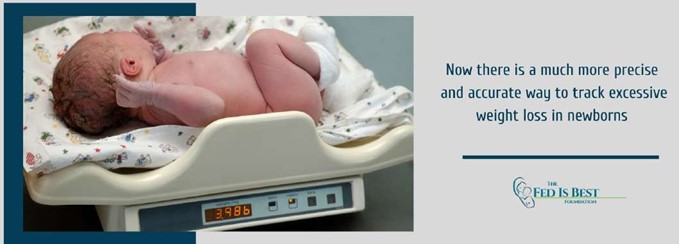
Dehydration is classified as mild (3-5% weight loss), moderate (6-10% weight loss), or severe (>10% weight loss)1.
Choice A is wrong because a respiratory rate of 28/min is within the normal range for an infant.
Choice B is wrong because a capillary refill time of 1 second is within the normal range.
Choice D is wrong because bradycardia (a slow heart rate) is not a typical sign of moderate dehydration in infants.
A nurse is assessing a school-age child who has heart failure and is taking furosemide.
Which of the following findings should the nurse identify as an indication that the medication is effective?
A. decrease in peripheral edema.
A decrease in peripheral edema is an indication that the furosemide medication is effective. Furosemide is a diuretic that helps to reduce fluid buildup in the body, including peripheral edema, which is a common symptom of heart failure.
B. decrease in cardiac output.
Choice B is wrong because furosemide does not directly decrease cardiac output.
C. increase in venous pressure.
Choice C is wrong because furosemide does not increase venous pressure.
D. increase in potassium levels.
Choice D is wrong because furosemide can actually cause a decrease in potassium levels, not an increase.
Full Explanation
A decrease in peripheral edema is an indication that the furosemide medication is effective.
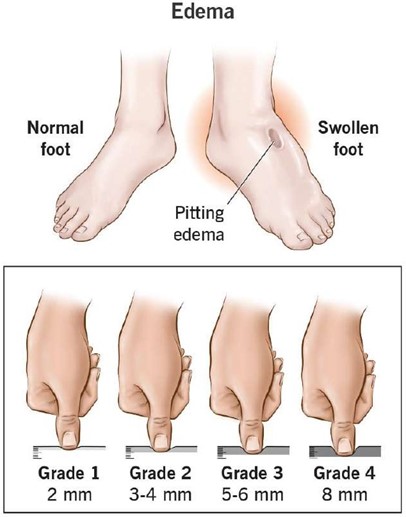
Furosemide is a diuretic that helps to reduce fluid buildup in the body, including peripheral edema, which is a common symptom of heart failure.
Choice B is wrong because furosemide does not directly decrease cardiac output.
Choice C is wrong because furosemide does not increase venous pressure.
Choice D is wrong because furosemide can actually cause a decrease in potassium levels, not an increase.
A nurse in a provider's office is assessing the vital signs of a 2-year-old child at a well-child visit.
Which of the following findings should the nurse report to the provider?
A. Blood pressure 118/74 mm Hg.
According to the normal pediatric vital signs chart provided by Cleveland Clinic, the normal blood pressure range for a 2-year-old child should be between 90- 105/55-70 mm Hg. The blood pressure of 118/74 mm Hg is higher than the normal range for a 2- year-old child and should be reported to the provider.
B. Respiratory rate 26/min.
Choice B is wrong because a respiratory rate of 26/min falls within the normal range of 20-30 breaths per minute for a child between ages 1 and.
C. Pulse rate 98/min.
Choice C is wrong because a pulse rate of 98/min falls within the normal range of 80-125 beats per minute for a child between ages 1 and.
D. Temperature 37.2° C (99° F).
Choice D is wrong because a temperature of 37.2° C (99° F) falls within the normal range for children which is around 98.6 degrees.
Full Explanation
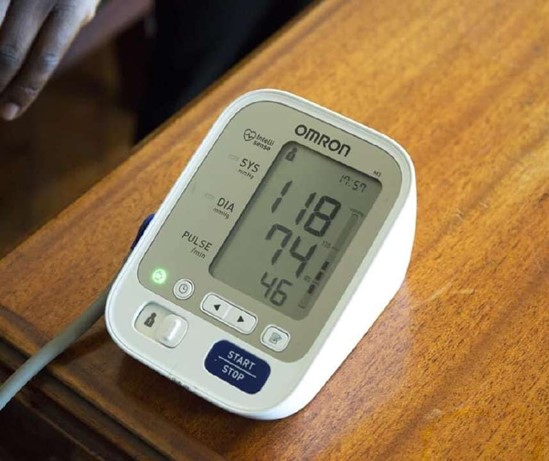
According to the normal pediatric vital signs chart provided by Cleveland Clinic, the normal blood pressure range for a 2-year-old child should be between 90- 105/55-70 mm Hg. The blood pressure of 118/74 mm Hg is higher than the normal range for a 2- year-old child and should be reported to the provider.
Choice B is wrong because a respiratory rate of 26/min falls within the normal range of 20-30 breaths per minute for a child between ages 1 and.
Choice C is wrong because a pulse rate of 98/min falls within the normal range of 80-125 beats per minute for a child between ages 1 and.
Choice D is wrong because a temperature of 37.2° C (99° F) falls within the normal range for children which is around 98.6 degrees.