Nursing practice questions with comprehensive rationales
NurseDive Free Nursing Practice Question
A nurse in an acute care facility is preparing to transfer a client to a long-term care facility. Which of the following information should the nurse include in the hand-off report?
A. Time of the client's last bath
B. Effectiveness of the last dose of pain medication
The correct answer is that the nurse should include information about the effectiveness of the last dose of pain medication in the hand-off report when transferring a client to a long-term care facility. This information is important for the receiving facility to continue managing the client's pain effectively. Options a, c and d are not essential information to include in the hand-off report. The time of the client's last bath, the number of family members who have visited and the frequency of previous vital sign measurement are not critical for ensuring continuity of care during the transfer.
C. Number of family members who have visited
D. Frequency of previous vital sign measurement
This question is an excerpt from Nurse Dive's nursing test bank - ATI RN Fundamentals 2019 with NGN - Proctored Exam 2. Take the full exam now
Full Explanation
The correct answer is that the nurse should include information about the effectiveness of the last dose of pain medication in the hand-off report when transferring a client to a long-term care facility. This information is important for the receiving facility to continue managing the client's pain effectively.
Options a, c and d are not essential information to include in the hand-off report. The time of the client's last bath, the number of family members who have visited and the frequency of previous vital sign measurement are not critical for ensuring continuity of care during the transfer.
Similar Questions
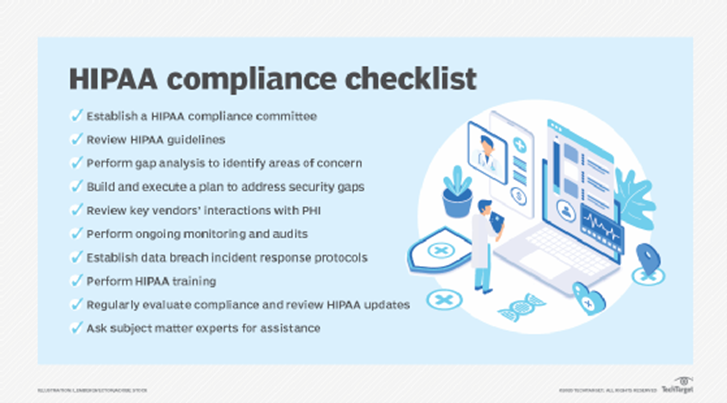
A nurse is reviewing client confidentiality with a newly licensed nurse. The nurse should identify which of the following examples as a violation of HIPAA?
A. Faxing medical information to the client's provider's office
B. Teaching the client discharge instructions with his partner present
C. Discussing the client's transfer to a long-term care facility with a nurse from another unit
The correct answer is that discussing the client's transfer to a long-term care facility with a nurse from another unit is a violation of HIPA A. HIPAA regulations require that healthcare providers protect the privacy of their clients' personal health information (PHI) and only share it with authorized individuals on a need- to-know basis. Options a, b and d are not violations of HIPAA. Faxing medical information to the client's provider's office, teaching the client discharge instructions with his partner present and giving a telephone report to a surgical nurse when sending the client to the surgical suite are all acceptable practices under HIPAA regulations.
D. Giving a telephone report to a surgical nurse when sending the client to the surgical suite
Full Explanation
The correct answer is that discussing the client's transfer to a long-term care facility with a nurse from another unit is a violation of HIPA
A. HIPAA regulations require that healthcare providers protect the privacy of their clients' personal health information (PHI) and only share it with authorized individuals on a need- to-know basis.
Options a, b and d are not violations of HIPAA. Faxing medical information to the client's provider's office, teaching the client discharge instructions with his partner present and giving a telephone report to a surgical nurse when sending the client to the surgical suite are all acceptable practices under HIPAA regulations.
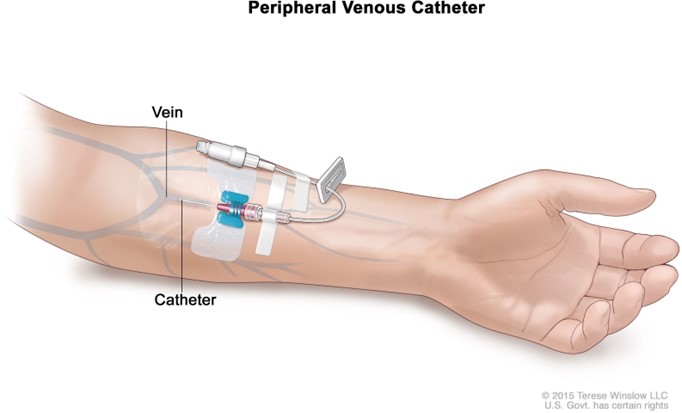
A nurse is preparing to insert a peripheral IV catheter into a client's arm. Which of the following actions should the nurse take to help dilate the vein?
A. Dangle the client's arm over the edge of the bed.
The correct answer is that the nurse should dangle the client's arm over the edge of the bed to help dilate the vein. This technique uses gravity to increase blood flow to the arm and dilate the veins, making it easier to insert a peripheral IV catheter. Options b, c and d are not effective techniques for dilating a vein for IV insertion. Stroking the skin near the vein in an upward direction, instructing the client to flex their arm with the hand open and applying a cool compress to the vein for 10 min are not effective methods for dilating a vein.
B. Stroke the skin near the vein in an upward direction.
C. Instruct the client to flex their arm with the hand open.
D. Apply a cool compress to the vein for 10 min.
Full Explanation
The correct answer is that the nurse should dangle the client's arm over the edge of the bed to help dilate the vein. This technique uses gravity to increase blood flow to the arm and dilate the veins, making it easier to insert a peripheral IV catheter.
Options b, c and d are not effective techniques for dilating a vein for IV insertion. Stroking the skin near the vein in an upward direction, instructing the client to flex their arm with the hand open and applying a cool compress to the vein for 10 min are not effective methods for dilating a vein.
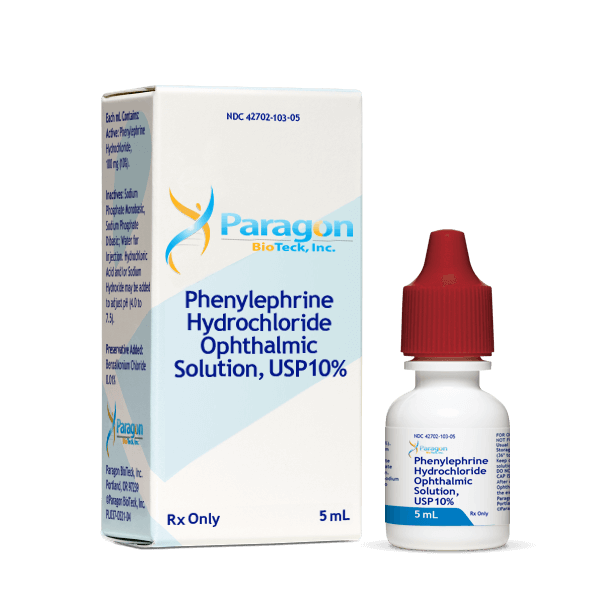
A nurse is providing teaching to a client who is to self-administer an ophthalmic solution. Which of the following statements by the client indicates an understanding of the teaching?
A. I will press the inner corner of my eye after I insert the drops.
The correct answer is that the client should press the inner corner of their eye after inserting the drops. This technique is called punctal occlusion and it helps to prevent the eye drops from draining into the tear duct and being absorbed by the rest of the body. This can increase the effectiveness of the eye drops and reduce potential side effects. Options b, c and d are not correct statements by the client that indicate an understanding of how to self- administer an ophthalmic solution. Raising the eyelid up while looking down to insert the drops, keeping eyes closed for 5 minutes after inserting the drops and inserting the drops in the center of each eye are not recommended techniques for self-administering an ophthalmic solution.
B. I will raise my eyelid up while looking down to insert the drops.
C. I will keep my eyes closed for 5 minutes after inserting the drops.
D. I will insert the drops in the center of each eye.
Full Explanation
The correct answer is that the client should press the inner corner of their eye after inserting the drops. This technique is called punctal occlusion and it helps to prevent the eye drops from draining into the tear duct and being absorbed by the rest of the body. This can increase the effectiveness of the eye drops and reduce potential side effects.
Options b, c and d are not correct statements by the client that indicate an understanding of how to self- administer an ophthalmic solution. Raising the eyelid up while looking down to insert the drops, keeping eyes closed for 5 minutes after inserting the drops and inserting the drops in the center of each eye are not recommended techniques for self-administering an ophthalmic solution.