Nursing practice questions with comprehensive rationales
NurseDive Free Nursing Practice Question
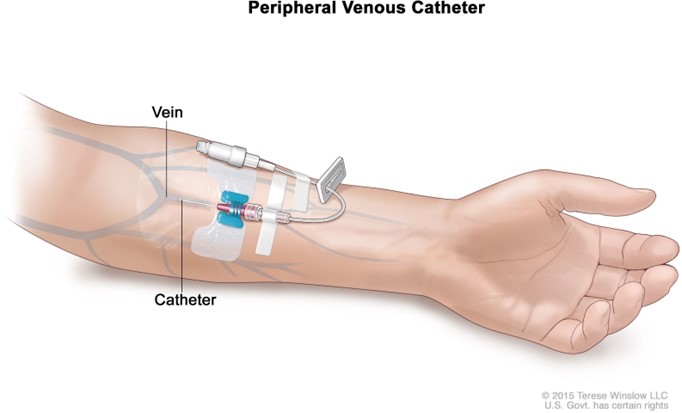
A nurse is preparing to insert a peripheral IV catheter into a client's arm. Which of the following actions should the nurse take to help dilate the vein?
A. Dangle the client's arm over the edge of the bed.
The correct answer is that the nurse should dangle the client's arm over the edge of the bed to help dilate the vein. This technique uses gravity to increase blood flow to the arm and dilate the veins, making it easier to insert a peripheral IV catheter. Options b, c and d are not effective techniques for dilating a vein for IV insertion. Stroking the skin near the vein in an upward direction, instructing the client to flex their arm with the hand open and applying a cool compress to the vein for 10 min are not effective methods for dilating a vein.
B. Stroke the skin near the vein in an upward direction.
C. Instruct the client to flex their arm with the hand open.
D. Apply a cool compress to the vein for 10 min.
This question is an excerpt from Nurse Dive's nursing test bank - ATI RN Fundamentals 2019 with NGN - Proctored Exam 2. Take the full exam now
Full Explanation
The correct answer is that the nurse should dangle the client's arm over the edge of the bed to help dilate the vein. This technique uses gravity to increase blood flow to the arm and dilate the veins, making it easier to insert a peripheral IV catheter.
Options b, c and d are not effective techniques for dilating a vein for IV insertion. Stroking the skin near the vein in an upward direction, instructing the client to flex their arm with the hand open and applying a cool compress to the vein for 10 min are not effective methods for dilating a vein.
Similar Questions
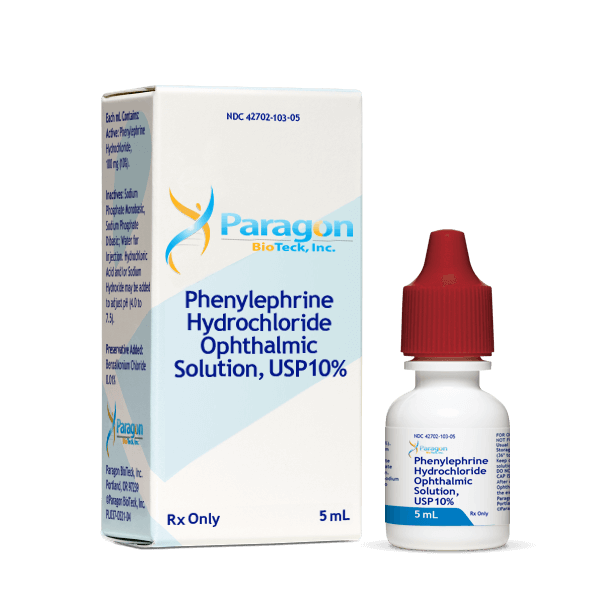
A nurse is providing teaching to a client who is to self-administer an ophthalmic solution. Which of the following statements by the client indicates an understanding of the teaching?
A. I will press the inner corner of my eye after I insert the drops.
The correct answer is that the client should press the inner corner of their eye after inserting the drops. This technique is called punctal occlusion and it helps to prevent the eye drops from draining into the tear duct and being absorbed by the rest of the body. This can increase the effectiveness of the eye drops and reduce potential side effects. Options b, c and d are not correct statements by the client that indicate an understanding of how to self- administer an ophthalmic solution. Raising the eyelid up while looking down to insert the drops, keeping eyes closed for 5 minutes after inserting the drops and inserting the drops in the center of each eye are not recommended techniques for self-administering an ophthalmic solution.
B. I will raise my eyelid up while looking down to insert the drops.
C. I will keep my eyes closed for 5 minutes after inserting the drops.
D. I will insert the drops in the center of each eye.
Full Explanation
The correct answer is that the client should press the inner corner of their eye after inserting the drops. This technique is called punctal occlusion and it helps to prevent the eye drops from draining into the tear duct and being absorbed by the rest of the body. This can increase the effectiveness of the eye drops and reduce potential side effects.
Options b, c and d are not correct statements by the client that indicate an understanding of how to self- administer an ophthalmic solution. Raising the eyelid up while looking down to insert the drops, keeping eyes closed for 5 minutes after inserting the drops and inserting the drops in the center of each eye are not recommended techniques for self-administering an ophthalmic solution.
A nurse is performing a skin assessment on an older adult client. Which of the following findings should the nurse expect?
A. Increased skin elasticity
B. Reduced sweat production
The correct answer is that the nurse should expect to find reduced sweat production when performing a skin assessment on an older adult client. As we age, our skin gradually loses its ability to produce sweat and oil, which can result in dry skin¹. Options a, c and d are not expected findings when performing a skin assessment on an older adult client. Increased skin elasticity, increased production of oils and thickened outer layer of skin are not typical age- related changes.
C. Increased production of oils
D. Thickened outer layer of skin
Full Explanation
The correct answer is that the nurse should expect to find reduced sweat production when performing a skin assessment on an older adult client. As we age, our skin gradually loses its ability to produce sweat and oil, which can result in dry skin¹.
Options a, c and d are not expected findings when performing a skin assessment on an older adult client. Increased skin elasticity, increased production of oils and thickened outer layer of skin are not typical age- related changes.
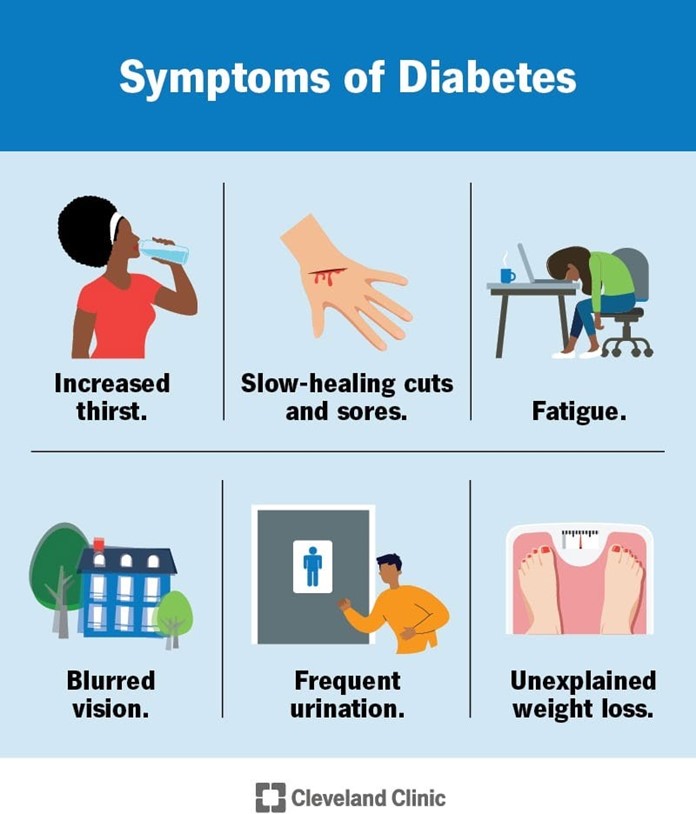
A nurse is providing instruction to a client who has diabetes mellitus about foot care. Which of the following statements by the client indicates an understanding of the teaching?
A. I will use a pumice stone to soften calluses on my feet.
B. I will go barefoot just in the house.
C. I can apply lotion to my feet if I avoid the area between my toes.
The correct answer is that the client can apply lotion to their feet if they avoid the area between their toes. Moisturizing the feet can help prevent dry skin and cracking, which are common problems for people with diabetes. However, it is important to avoid applying lotion between the toes, as this can create a moist environment that promotes the growth of fungus and bacteria¹. Options a, b and d are not correct statements by the client that indicate an understanding of proper foot care for diabetes. Using a pumice stone to soften calluses on the feet, going barefoot just in the house and using a heating pad when feet are cold are not recommended practices for people with diabetes.
D. I can use a heating pad when my feet are cold.
E. I can use a heating pad when my feet are cold.
Full Explanation
The correct answer is that the client can apply lotion to their feet if they avoid the area between their toes. Moisturizing the feet can help prevent dry skin and cracking, which are common problems for people with diabetes. However, it is important to avoid applying lotion between the toes, as this can create a moist environment that promotes the growth of fungus and bacteria¹.
Options a, b and d are not correct statements by the client that indicate an understanding of proper foot care for diabetes. Using a pumice stone to soften calluses on the feet, going barefoot just in the house and using a heating pad when feet are cold are not recommended practices for people with diabetes.