
Nursing practice questions with comprehensive rationales
NurseDive Free Nursing Practice Question
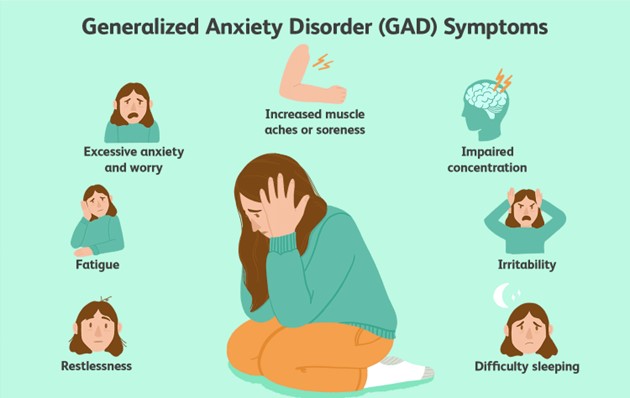
A nurse in an urgent care clinic is caring for a client who is using loud and rapid speech and continuously repeats, "I don't know why my wife left me." Which of the following levels of anxiety is the client experiencing?
A. Moderate
According to the Mayo Clinic moderate anxiety is characterized by symptoms such as loud and rapid speech, difficulty concentrating, restlessness, and increased worry. The client's behavior matches these symptoms, indicating that they are experiencing moderate anxiety.
B. Panic
Panic is incorrect because panic is a severe form of anxiety that involves symptoms such as chest pain, shortness of breath, trembling, and a sense of impending doom. The client does not exhibit these symptoms.
C. Severe
Severe is incorrect because severe anxiety is marked by symptoms such as irrational fear, detachment from reality, hallucinations, and loss of control¹². The client does not show these symptoms.
D. Mild
Mild is incorrect because mild anxiety is associated with symptoms such as nervousness, increased alertness, and slight discomfort¹². The client's symptoms are more intense than mild anxiety.
This question is an excerpt from Nurse Dive's nursing test bank - PNU Adult Health II Spring 2023 Proctored Exam 2. Take the full exam now
Full Explanation
Moderate. According to the Mayo Clinic moderate anxiety is characterized by symptoms such as loud and rapid speech, difficulty concentrating, restlessness, and increased worry. The client's behavior matches these symptoms, indicating that they are experiencing moderate anxiety.
Choice B. Panic is incorrect because panic is a severe form of anxiety that involves symptoms such as chest pain, shortness of breath, trembling, and a sense of impending doom. The client does not exhibit these symptoms.
Choice C. Severe is incorrect because severe anxiety is marked by symptoms such as irrational fear, detachment from reality, hallucinations, and loss of control¹². The client does not show these symptoms.
Choice D. Mild is incorrect because mild anxiety is associated with symptoms such as nervousness, increased alertness, and slight discomfort¹². The client's symptoms are more intense than mild anxiety.
Similar Questions
A nurse is caring for a client who witnessed her brother's homicide and has posttraumatic stress disorder (PTSD). Which of the following findings should the nurse expect?
A. The client talks constantly about the traumatic experience.
The client talking constantly about the traumatic experience, is a possible symptom of PTSD, but it is not specific to the disorder and may also indicate other disorders.
B. The client is constantly drowsy and sleeps 11-12 hr daily.
The client being constantly drowsy and sleeping 11-12 hours daily, is more indicative of depression than PTSD and also does not address the question of finding expected with PTSD.
C. The client reports satisfying personal relationships with family and close friends.
The client reports satisfying personal relationships with family and close friends, does not address what finding is expected with PTSD, making it an incorrect answer.
D. The client is easily startled by loud voices.
The client is easily startled by loud voices. Clients with posttraumatic stress disorder (PTSD) may exhibit hyperarousal symptoms, including exaggerated startle responses and hypervigilance. The client talking constantly about the traumatic experience is a possible finding in PTSD but not specific. The client is constantly drowsy and sleeping 11-12 hours daily is more associated with depression than PTSD. While the client may have satisfying personal relationships, it does not address the question of what finding to expect with PTSD, making choice C incorrect.
Full Explanation
The client is easily startled by loud voices. Clients with posttraumatic stress disorder (PTSD) may exhibit hyperarousal symptoms, including exaggerated startle responses and hypervigilance. The client talking constantly about the traumatic experience is a possible finding in PTSD but not specific. The client is constantly drowsy and sleeping 11-12 hours daily is more associated with depression than PTSD. While the client may have satisfying personal relationships, it does not address the question of what finding to expect with PTSD, making choice C incorrect.
Reasons why the other choices are not answers:
Choice A, the client talking constantly about the traumatic experience, is a possible symptom of PTSD, but it is not specific to the disorder and may also indicate other disorders.
Choice B, the client being constantly drowsy and sleeping 11-12 hours daily, is more indicative of depression than PTSD and also does not address the question of finding expected with PTSD.
Choice C, the client reports satisfying personal relationships with family and close friends, does not address what finding is expected with PTSD, making it an incorrect answer.
Which statement by the client indicates an understanding of the information provided about sertraline?
A. "I should call the provider if I experience excessive sweating and muscle twitching."
Sertraline is a medication used to treat depression and other mental health conditions that can cause unwanted side effects. Excessive sweating and muscle twitching are potential side effects that should be immediately reported to the healthcare provider. A dry cough is a common side effect of other medications and not specific to sertraline. Decreasing sodium intake is not necessarily related to the medication, and harmless, temporary changes in the ability to taste and smell are not significant enough to warrant special mention.
B. "This medication can cause a dry cough."
"This medication can cause a dry cough," is a potential side effect of other medications and may cause confusion as to what medication the client is taking.
C. "I need to decrease my sodium intake while on this medication."
"I need to decrease my sodium intake while on this medication," is not likely a statement related to sertraline but to other medications or medical conditions.
D. "This medication can cause harmless, temporary changes to my ability to taste and smell."
"This medication can cause harmless, temporary changes to my ability to taste and smell," while accurate, is not the most critical information for the client to know about and may cause confusion as to what the client should report to the provider.
Full Explanation
Sertraline is a medication used to treat depression and other mental health conditions that can cause unwanted side effects. Excessive sweating and muscle twitching are potential side effects that should be immediately reported to the healthcare provider. A dry cough is a common side effect of other medications and not specific to sertraline.
Decreasing sodium intake is not necessarily related to the medication, and harmless, temporary changes in the ability to taste and smell are not significant enough to warrant special mention.
 Choice B, "This medication can cause a dry cough," is a potential side effect of other medications and may cause confusion as to what medication the client is taking.
Choice C, "I need to decrease my sodium intake while on this medication," is not likely a statement related to sertraline but to other medications or medical conditions.
Choice D, "This medication can cause harmless, temporary changes to my ability to taste and smell," while accurate, is not the most critical information for the client to know about and may cause confusion as to what the client should report to the provider.
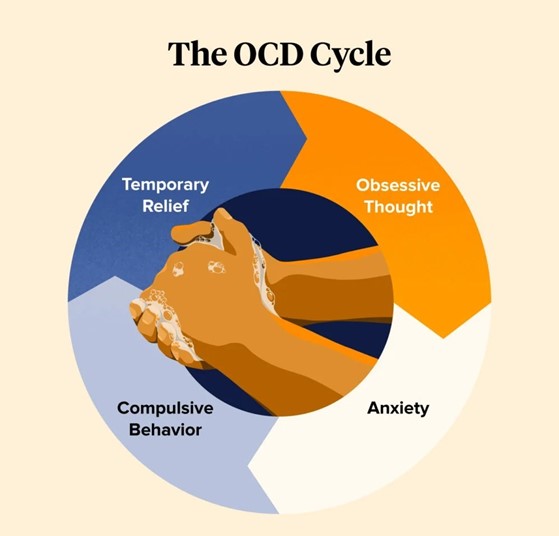
The nurse is collecting data from a client with obsessive-compulsive disorder (OCD). Which of the following findings should the nurse expect? (Select all that apply.)
A. Irrational fear of certain objects
This is incorrect because irrational fear of certain objects is more indicative of a phobia than OCD.
B. Difficulty relaxing
The client with OCD may experience difficulty relaxing and often feels tense, anxious, and irritable. They may engage in rule-conscious behavior and exhibit perfectionist tendencies, as well as experience compulsive behaviors. These behaviors may be time-consuming and interfere with daily activities.
C. Unaware of compulsions
This is incorrect because clients with OCD are usually aware of their compulsions and may even try to resist them.
D. Rule-conscious behavior
The client with OCD may experience difficulty relaxing and often feels tense, anxious, and irritable. They may engage in rule-conscious behavior and exhibit perfectionist tendencies, as well as experience compulsive behaviors. These behaviors may be time-consuming and interfere with daily activities.
E. Perfectionist behavior
The client with OCD may experience difficulty relaxing and often feels tense, anxious, and irritable. They may engage in rule-conscious behavior and exhibit perfectionist tendencies, as well as experience compulsive behaviors. These behaviors may be time-consuming and interfere with daily activities.
Full Explanation
The client with OCD may experience difficulty relaxing and often feels tense, anxious, and irritable. They may engage in rule-conscious behavior and exhibit perfectionist tendencies, as well as experience compulsive behaviors. These behaviors may be time-consuming and interfere with daily activities.
Option A is incorrect because irrational fear of certain objects is more indicative of a phobia than OCD.
Option C is incorrect because clients with OCD are usually aware of their compulsions and may even try to resist them.
Reasons why the other options are not correct answers:
Option A: Irrational fear of certain objects is more indicative of a phobia than OCD.
Option C: Clients with OCD are usually aware of their compulsions and may even try to resist them.