
Nursing practice questions with comprehensive rationales
NurseDive Free Nursing Practice Question
A nurse in an urgent care facility is assessing a client who is currently receiving outpatient treatment for anorexia nervosa. Which of the following client data should indicate to the nurse that the client requires acute care admission?
A. Blood pressure 78/60 mm Hg
A blood pressure of 78/60 mm Hg is indicative of hypotension which is a common complication of anorexia nervosa. However. the low body temperature takes precedence
B. Weight loss 20% over last 6 months
Weight loss of 20% over the last 6 months is concerning but may not be an immediate indicator for acute care admission.
C. Apical pulse rate 50/min
An apical pulse rate of 50/min is bradycardia, which can be a result of anorexia nervosa, but it may not be an immediate indicator for acute care admission unless the client is symptomatic.
D. Body temperature 35.5° C (95.9°F)
A body temperature of 35.5°C (95.9°F) is below a normal range signfyng hypothermia which needs immedate intervention.
This question is an excerpt from Nurse Dive's nursing test bank - RN ati Concept-based assessment level proctored exam. Take the full exam now
Full Explanation
Choice A rationale:
A blood pressure of 78/60 mm Hg is indicative of hypotension which is a common complication of anorexia nervosa. However. the low body temperature takes precedence
Choice B rationale:
Weight loss of 20% over the last 6 months is concerning but may not be an immediate indicator for acute care admission.
Choice C rationale:
An apical pulse rate of 50/min is bradycardia, which can be a result of anorexia nervosa, but it may not be an immediate indicator for acute care admission unless the client is symptomatic.
Choice D rationale:
A body temperature of 35.5°C (95.9°F) is below a normal range signfyng hypothermia which needs immedate intervention.
Similar Questions
A nurse is providing teaching about physiological changes that occur during the dying process to the family of a client who has a terminal illness. Which of the following manifestations should the nurse include?
A. Increased thirst
Increased thirst is a common manifestation during the dying process due to dehydration and reduced fluid intake.
B. Decreased secretions
Decreased secretions can occur as the body's systems gradually shut down during the dying process.
C. Flushing of the extremities
Flushing of the extremities, also known as mottling, can occur due to poor circulation as the body's systems shut down.
D. Periods of apnea
Periods of apnea or irregular breathing patterns can occur as the body's respiratory system becomes less effective during the dying process.
Full Explanation
Choice A rationale:
Increased thirst is a common manifestation during the dying process due to dehydration and reduced fluid intake.
Choice B rationale:
Decreased secretions can occur as the body's systems gradually shut down during the dying process.
Choice C rationale:
Flushing of the extremities, also known as mottling, can occur due to poor circulation as the body's systems shut down.
Choice D rationale:
Periods of apnea or irregular breathing patterns can occur as the body's respiratory system becomes less effective during the dying process.
A nurse is planning teaching for a client following a total abdominal hysterectomy.Which of the following expected manifestations should the nurse include in the teaching?
A. Weight loss
Weight loss is not typically an expected manifestation following a total abdominal hysterectomy.
B. Increased libido
Increased libido is not necessarily an expected manifestation following a total abdominal hysterectomy.
C. Decreased menstrual bleeding
Decreased menstrual bleeding is expected, as the uterus has been removed.
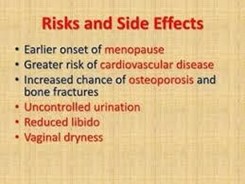
D. vaginal dryness
Vaginal dryness is an expected manifestation following a total abdominal hysterectomy due to the removal of the ovaries, which produce hormones that contribute to vaginal lubrication.
Full Explanation
Choice A rationale:
Weight loss is not typically an expected manifestation following a total abdominal hysterectomy.
Choice B rationale:
Increased libido is not necessarily an expected manifestation following a total abdominal hysterectomy.
Choice C rationale:
Decreased menstrual bleeding is expected, as the uterus has been removed.
Choice D rationale:
Vaginal dryness is an expected manifestation following a total abdominal hysterectomy due to the removal of the ovaries, which produce hormones that contribute to vaginal lubrication.
A nurse is performing an admission assessment for an older adult client. The nurse should identify that which of the following findings is a manifestation of possible elder maltreatment?
A. The client has decreased muscle mass.
Decreased muscle mass can be a normal age-related change in older adults and is not necessarily indicative of elder maltreatment.
B. The client's eyes have white circles surrounding the cornea.
White circles surrounding the cornea (arcus senilis) is a common age- related finding and is not necessarily indicative of elder maltreatment.
C. The client's clothes have a urine odor.
The presence of urine odor on the client's clothes could indicate neglect or inadequate care and should be further investigated.
D. The client has nodules on the metacarpal joints.
Nodules on the metacarpal joints may be related to osteoarthritis, which is a common condition in older adults and may not necessarily indicate elder maltreatment.
Full Explanation
Choice A rationale:
Decreased muscle mass can be a normal age-related change in older adults and is not necessarily indicative of elder maltreatment.
Choice B rationale:
White circles surrounding the cornea (arcus senilis) is a common age- related finding and is not necessarily indicative of elder maltreatment.
Choice C rationale:
The presence of urine odor on the client's clothes could indicate neglect or inadequate care and should be further investigated.
Choice D rationale:
Nodules on the metacarpal joints may be related to osteoarthritis, which is a common condition in older adults and may not necessarily indicate elder maltreatment.