Nursing practice questions with comprehensive rationales
NurseDive Free Nursing Practice Question
A nurse is performing an admission assessment for an older adult client. The nurse should identify that which of the following findings is a manifestation of possible elder maltreatment?
A. The client has decreased muscle mass.
Decreased muscle mass can be a normal age-related change in older adults and is not necessarily indicative of elder maltreatment.
B. The client's eyes have white circles surrounding the cornea.
White circles surrounding the cornea (arcus senilis) is a common age- related finding and is not necessarily indicative of elder maltreatment.
C. The client's clothes have a urine odor.
The presence of urine odor on the client's clothes could indicate neglect or inadequate care and should be further investigated.
D. The client has nodules on the metacarpal joints.
Nodules on the metacarpal joints may be related to osteoarthritis, which is a common condition in older adults and may not necessarily indicate elder maltreatment.
This question is an excerpt from Nurse Dive's nursing test bank - RN ati Concept-based assessment level proctored exam. Take the full exam now
Full Explanation
Choice A rationale:
Decreased muscle mass can be a normal age-related change in older adults and is not necessarily indicative of elder maltreatment.
Choice B rationale:
White circles surrounding the cornea (arcus senilis) is a common age- related finding and is not necessarily indicative of elder maltreatment.
Choice C rationale:
The presence of urine odor on the client's clothes could indicate neglect or inadequate care and should be further investigated.
Choice D rationale:
Nodules on the metacarpal joints may be related to osteoarthritis, which is a common condition in older adults and may not necessarily indicate elder maltreatment.
Similar Questions
A nurse is caring for a client who is experiencing preterm labor. Which of the following medications should the nurse expect to administer?
A. Magnesium sulfate
Magnesium sulfate is often used to suppress preterm labor by relaxing the uterine smooth muscle.
B. Methylergonovine
Methylergonovine is used to prevent or control postpartum hemorrhage and is not typically used for preterm labor.
C. Calcium gluconate
Calcium gluconate is used to treat magnesium sulfate toxicity and is not typically used for preterm labor.
D. Dinoprostone
Dinoprostone is used to ripen the cervix for labor induction, not to suppress preterm labor.
Full Explanation
Choice A rationale:
Magnesium sulfate is often used to suppress preterm labor by relaxing the uterine smooth muscle.
Choice B rationale:
Methylergonovine is used to prevent or control postpartum hemorrhage and is not typically used for preterm labor.
Choice C rationale:
Calcium gluconate is used to treat magnesium sulfate toxicity and is not typically used for preterm labor.
Choice D rationale:
Dinoprostone is used to ripen the cervix for labor induction, not to suppress preterm labor.
A nurse is teaching the guardians of a toddler who has a cognitive delay. Which of the following instructions should the nurse include?
A. "Wait until your child begins school to engage them in social activities."
Waiting until school age to engage in social activities is not appropriate, as social interaction is important for a toddler's development.
B. "Interact with your child according to their developmental age."
Interacting with the child according to their developmental age is important for fostering appropriate growth and development.
C. "Devote more of your child's time to learning than to playing."
Devoting more time to learning than playing may not be appropriate, as play is an essential component of early childhood development.
D. "Teach your child several steps of a task at one time."
Teaching several steps of a task at one time may be overwhelming for a toddler with a cognitive delay. Instructions should be simple and broken down into manageable steps.
Full Explanation
Choice A rationale:
Waiting until school age to engage in social activities is not appropriate, as social interaction is important for a toddler's development.
Choice B rationale:
Interacting with the child according to their developmental age is important for fostering appropriate growth and development.
Choice C rationale:
Devoting more time to learning than playing may not be appropriate, as play is an essential component of early childhood development.
Choice D rationale:
Teaching several steps of a task at one time may be overwhelming for a toddler with a cognitive delay. Instructions should be simple and broken down into manageable steps.
A nurse is caring for a client who is at 32 weeks gestation and has a history of hypertension. Which of the following statements by the client should the nurse report to the provider?
A. "My ankles get swollen after standing at work."
Ankle swelling can be a common symptom of pregnancy and is not necessarily indicative of a complication.
B. "My gums bleed when I brush my teeth."
Gums can become more sensitive during pregnancy, leading to bleeding while brushing teeth. This finding is common and not necessarily indicative of a complication.
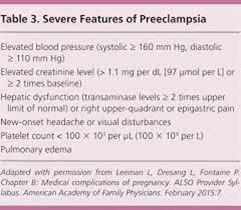
C. "I have constant pain in the middle of my upper abdomen."
Constant pain in the middle of the upper abdomen can be a sign of preeclampsia, a serious pregnancy complication that requires prompt medical attention.
D. "I feel dizzy when I lay flat on my back.
Feeling dizzy when lying flat on the back (supine hypotension) can be a common discomfort during pregnancy due to pressure on the vena cava. However, it does not necessarily indicate a complication in this context.
Full Explanation
Choice A rationale:
Ankle swelling can be a common symptom of pregnancy and is not necessarily indicative of a complication.
Choice B rationale:
Gums can become more sensitive during pregnancy, leading to bleeding while brushing teeth. This finding is common and not necessarily indicative of a complication.
Choice C rationale:
Constant pain in the middle of the upper abdomen can be a sign of preeclampsia, a serious pregnancy complication that requires prompt medical attention.
Choice D rationale:
Feeling dizzy when lying flat on the back (supine hypotension) can be a common discomfort during pregnancy due to pressure on the vena cava. However, it does not necessarily indicate a complication in this context.