
Nursing practice questions with comprehensive rationales
NurseDive Free Nursing Practice Question
A nurse is administering a client's morning oral medications.
Which of the following actions should the nurse take?
A. Verify the medication three times with the medication administration record.
When administering oral medications, the nurse should verify the medication three times with the medication administration record to ensure that the correct medication is being given to the correct client at the correct time. This is known as the "three checks" and is an important step in preventing medication errors.
B. Document medication administration prior to administering medication.
-
C. Administer time-critical medication 60 min before or after the scheduled time.
-
D. Identify the client by using one identifier before giving the medication.
-
This question is an excerpt from Nurse Dive's nursing test bank - PN Comprehensive Predictor PN 2020 Proctored Exam. Take the full exam now
Full Explanation
a. Verify the medication three times with the medication administration record.
When administering oral medications, the nurse should verify the medication three times with the medication administration record to ensure that the correct medication is being given to the correct client at the correct time. This is known as the "three checks" and is an important step in preventing medication errors.

Similar Questions
A nurse is preparing to administer eye drops to a child.
Which of the following actions should the nurse take?
A. Apply pressure to the lacrimal punctum after administering the drops.
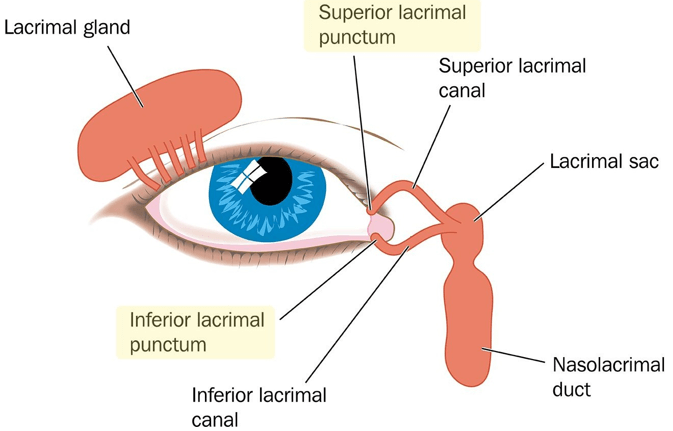
When administering eye drops to a child, the nurse should apply gentle pressure to the lacrimal punctum (the small opening in the inner corner of the eye) after administering the drops. This can help prevent the medication from draining into the tear duct and being absorbed into the bloodstream, which can reduce systemic side effects.
B. Position the child side-lying on the bed before administering the drops.
-
C. Wipe from the outer to the inner canthus after administering the drops.
-
D. Flush the eye with normal saline solution before administering the drops.
-
Full Explanation
a. Apply pressure to the lacrimal punctum after administering the drops.
When administering eye drops to a child, the nurse should apply gentle pressure to the lacrimal punctum (the small opening in the inner corner of the eye) after administering the drops. This can help prevent the medication from draining into the tear duct and being absorbed into the bloodstream, which can reduce systemic side effects.
A nurse in an acute care setting is assisting in collecting client information to include in a referral for a physical therapist.
Which of the following information should the nurse plan to include?
A. Family medical history
Family medical history may be important for overall client care, but isnot directly relevant to a referral for a physical therapist.
B. Medications taken prior to admission
Medications taken prior to admission may be relevant if they affect the client's physical abilities or pain level, but again, physical assessment findings are more directly related to the referral for a physical therapist.
C. Physical assessment findings
Are important to include in a referral for a physical therapist because they provide information about the client's current physical condition, including range of motion, strength, and any areas of pain or discomfort. This information is essential for the physical therapist to develop an appropriate treatment plan for the client.
D. Medical health insurance claims
Medical health insurance claims may be important for overall client care, but isnot directly relevant to a referral for a physical therapist.
Full Explanation
c. Physical assessment findings
Physical assessment findings are important to include in a referral for a physical therapist because they provide information about the client's current physical condition, including range of motion, strength, and any areas of pain or discomfort.
This information is essential for the physical therapist to develop an appropriate treatment plan for the client. Family medical history and medical health insurance claims may be important for overall client care, but are not directly relevant to a referral for a physical therapist.
Medications taken prior to admission may be relevant if they affect the client's physical abilities or pain level, but again, physical assessment findings are more directly related to the referral for a physical therapist.
A nurse is preparing to provide tracheostomy care for a client.
Which of the following actions should the nurse plan to take?
A. Clean the stoma using an inward to outward circular motion.
When providing tracheostomy care, the nurse should clean the stoma using an inward to outward circular motion to remove any secretions or debris. It is important to avoid using excessive force or pressure, which can cause trauma to the stoma.
B. Cleanse the inner cannula with isopropyl alcohol.
Cleansing the inner cannula with isopropyl alcohol may be appropriate for some clients, but it is important to follow the healthcare provider's orders regarding inner cannula care.
C. Ensure at least three finger widths of space under tracheostomy ties.
When securing the tracheostomy ties, the nurse should ensure that there is enough space for two fingers, not three.
D. Prepare sterile supplies after removing the inner cannula.
The nurse should prepare sterile supplies before removing the inner cannula to ensure that they are readily available and reduce the risk of infection.
Full Explanation
a. Clean the stoma using an inward to outward circular motion.
When providing tracheostomy care, the nurse should clean the stoma using an inward to outward circular motion to remove any secretions or debris. It is important to avoid using excessive force or pressure, which can cause trauma to the stoma. Cleansing the inner cannula with isopropyl alcohol may be appropriate for some clients, but it is important to follow the healthcare provider's orders regarding inner cannula care.
When securing the tracheostomy ties, the nurse should ensure that there is enough space for two fingers, not three. Finally, the nurse should prepare sterile supplies before removing the inner cannula to ensure that they are readily available and reduce the risk of infection.