
Nursing practice questions with comprehensive rationales
NurseDive Free Nursing Practice Question
A nurse is admitting a 6-month-old infant who has dehydration.
Which of the following amounts of urinary output should indicate to the nurse that the treatment has corrected the fluid imbalance?
A. 0.5 mL/kg/hr.
An output of 0.5 mL/kg/hr is insufficient and indicative of ongoing dehydration or inadequate fluid intake.
B. 15 mL/kg/hr.
An output of 15 mL/kg/hr is excessive and could suggest overhydration or a different pathology.
C. 2 mL/kg/hr.
A urinary output of 2 mL/kg/hr is an ideal measure for indicating that fluid balance has been restored in infants.
D. 7.5 mL/kg/hr.
An output of 7.5 mL/kg/hr is unusually high and not typical for a corrected fluid balance in infants.
This question is an excerpt from Nurse Dive's nursing test bank - ATI Custom SP23 N23 N240 Proctored Exam 3 Ch 11 24 32 43 44. Take the full exam now
Full Explanation
The correct answer is C. 2 mL/kg/hr.
Choice A rationale: An output of 0.5 mL/kg/hr is insufficient and indicative of ongoing dehydration or inadequate fluid intake.
Choice B rationale: An output of 15 mL/kg/hr is excessive and could suggest overhydration or a different pathology.
Choice C rationale: A urinary output of 2 mL/kg/hr is an ideal measure for indicating that fluid balance has been restored in infants.
Choice D rationale: An output of 7.5 mL/kg/hr is unusually high and not typical for a corrected fluid balance in infants.
Similar Questions
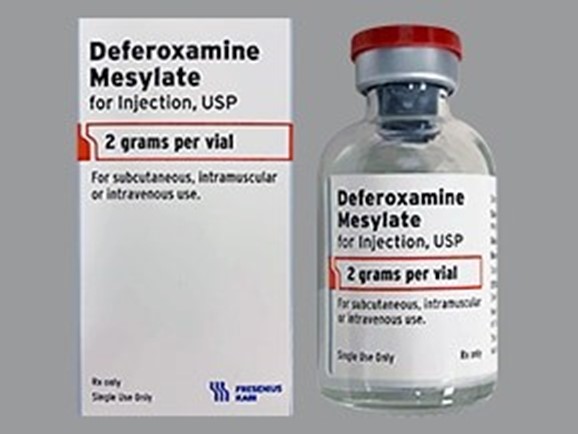
A nurse at a pediatrician's office is contacted by a parent whose child just ingested half a bottle of vitamins with added ferrous sulfate.
Which of the following instructions should the nurse provide to the parent?
A. Bring the child to the office for a rapid infusion of deferoxamine.
Choice A is not correct because rapid infusion of deferoxamine is not the first step in managing iron overdose.
B. Give the child syrup of ipecac.
Choice B is not correct because syrup of ipecac is no longer recommended for use in cases of poisoning.
C. Contact the poison control center.
In the event of a potential poisoning, the first step should be to contact the poison control center for guidance on how to proceed.
D. Provide a high-carbohydrate meal.
Choice D is not correct because providing a high-carbohydrate meal is not an appropriate intervention for iron overdose.
Full Explanation
In the event of a potential poisoning, the first step should be to contact the poison control center for guidance on how to proceed.
Choice A is not correct because rapid infusion of deferoxamine is not the first step in managing iron overdose.
Choice B is not correct because syrup of ipecac is no longer recommended for use in cases of poisoning.
Choice D is not correct because providing a high-carbohydrate meal is not an appropriate intervention for iron overdose.
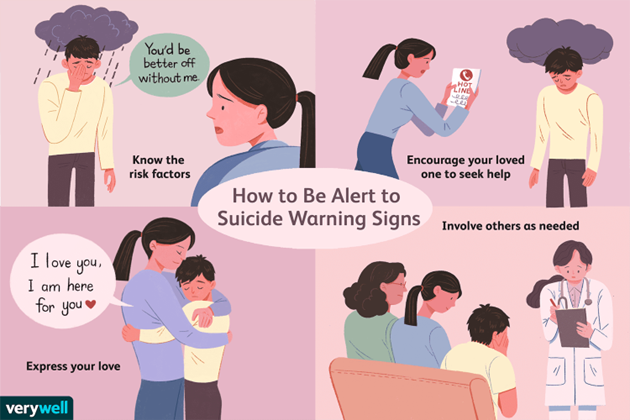
A nurse in an emergency department is caring for an adolescent following a suicide attempt.
After reviewing the client's history, the nurse should determine which of the following is the priority risk factor for suicide completion.
A. History of substance abuse.
Choice A is not the answer because while substance abuse is a risk factor for suicide, it is not the priority risk factor for suicide completion in this case.
B. Previous suicide attempt.
According to the CDC, one of the individual risk factors for suicide is a previous suicide attempt.
C. Loss of a parent.
Choice C is not the answer because while loss of relationships can contribute to suicide risk, it is not the priority risk factor for suicide completion in this case.
D. Active psychiatric disorder.
Choice D is not the answer because while a history of mental illness is a risk factor for suicide, it is not the priority risk factor for suicide completion in this case.
Full Explanation
According to the CDC, one of the individual risk factors for suicide is a previous suicide attempt.
Choice A is not the answer because while substance abuse is a risk factor for suicide, it is not the priority risk factor for suicide completion in this case.
Choice C is not the answer because while loss of relationships can contribute to
suicide risk, it is not the priority risk factor for suicide completion in this case.
Choice D is not the answer because while a history of mental illness is a risk factor for suicide, it is not the priority risk factor for suicide completion in this case.
A nurse is educating new parents about risk factors for sudden infant death syndrome (SIDS).
Which of the following statements should indicate to the nurse the need for additional teaching?
A. "Our baby will sleep in our bed because I am breastfeeding.".
“Our baby will sleep in our bed because I am breastfeeding.” Sharing a bed with a baby increases the risk of SIDS1.
B. "We will remove blankets and toys from the crib.".
Choice B is not the answer because removing blankets and toys from the crib is a recommended way to reduce the risk of SIDS2.
C. "We will give my baby a pacifier during naps and at bedtime.".
Choice C is not the answer because giving a baby a pacifier during naps and at bedtime can help reduce the risk of SIDS.
D. "We will place my baby on her back when sleeping.".
Choice D is not the answer because placing a baby on their back when sleeping is one of the most important measures to help protect against SIDS1.
Full Explanation
“Our baby will sleep in our bed because I am breastfeeding.” Sharing a bed with a baby increases the risk of SIDS1.
Choice B is not the answer because removing blankets and toys from the crib is a recommended way to reduce the risk of SIDS2.
Choice C is not the answer because giving a baby a pacifier during naps and at bedtime can help reduce the risk of SIDS.
Choice D is not the answer because placing a baby on their back when sleeping is one of the most important measures to help protect against SIDS1.