
Nursing practice questions with comprehensive rationales
NurseDive Free Nursing Practice Question
A nurse is admitting a client who has active tuberculosis. Which of the following nursing interventions is appropriate?
A. Place the client in a room that is ventilated to the outside.
A nurse admitting a client who has active tuberculosis should place the client in a room that is ventilated to the outside. This is an appropriate nursing intervention to prevent the spread of tuberculosis to others.
B. Wear a gown when delivering the client's food tray.
The nurse does not need to wear a gown when delivering the client's food traybut should wear a mask and gloves
C. Prohibit visitors while the client's infection is active.
Visitors are not prohibited while the client's infection is activebut should be limited and should wear masks.
D. Administer a tuberculin skin test prior to discharge.
A tuberculin skin test is not necessary prior to discharge as the client has already been diagnosed with active tuberculosis.
This question is an excerpt from Nurse Dive's nursing test bank - VATI PN Comprehensive Predictor 2020 Proctored Exam. Take the full exam now
Full Explanation
A nurse admitting a client who has active tuberculosis should place the client in a room that is ventilated to
the outside. This is an appropriate nursing intervention to prevent the spread of tuberculosis to others.
The other options are not correct.
b) The nurse does not need to wear a gown when delivering the client's food tray but should wear a mask and gloves.
c) Visitors are not prohibited while the client's infection is active but should be limited and should wear masks.
d) A tuberculin skin test is not necessary prior to discharge as the client has already been diagnosed with active tuberculosis.
Similar Questions
A nurse is assisting with the plan of care for a client who has Alzheimer's disease. Which of the following actions should the nurse recommend for the plan of care?
A. Encourage the client to talk about current events.
Encourage the client to talk about current events: While social interaction and engagement are beneficial for clients with Alzheimer's disease, their ability to comprehend and discuss current events may be limited due to cognitive impairments. It is important to adapt communication to the client's cognitive abilities and interests.
B. Give directions using simple phrases
When assisting with the plan of care for a client with Alzheimer's disease, it is important to consider their cognitive impairments and provide appropriate interventions. Giving directions using simple phrases is recommended because it helps the client beter understand and follow instructions. Complex or lengthy directions can be confusing and overwhelming for individuals with Alzheimer's disease. Using clear and concise language can enhance communication and facilitate the client's ability to engage in activities of daily living.
C. Orient the client to time and place twice per day
Orient the client to time and place twice per day: Frequent orientation to time and place can be helpful for clients with Alzheimer's disease, but the specific frequency should be based on the individual's needs and preferences. Some individuals may require more frequent orientation, while others may find it overwhelming. The plan of care should be individualized to address the client's specific needs.
D. Rotate assistive personnel to help the client with ADLs
Rotate assistive personnel to help the client with ADLs: Consistency and familiarity are important for individuals with Alzheimer's disease. Rotating assistive personnel frequently may disrupt the client's routine and cause increased confusion and agitation. Whenever possible, it is best to maintain a consistent caregiving team to provide familiarity and establish a therapeutic relationship with the client
Full Explanation
b. Give directions using simple phrases.
The correct answer is b. Give directions using simple phrases.
Explanation:
When assisting with the plan of care for a client with Alzheimer's disease, it is important to consider their cognitive impairments and provide appropriate interventions. Giving directions using simple phrases is recommended because it helps the client beter understand and follow instructions. Complex or lengthy directions can be confusing and overwhelming for individuals with Alzheimer's disease. Using clear and concise language can enhance communication and facilitate the client's ability to engage in activities of daily living.
Explanation for the other options:
a. Encourage the client to talk about current events: While social interaction and engagement are beneficial for clients with Alzheimer's disease, their ability to comprehend and discuss current events may be limited due to cognitive impairments. It is important to adapt communication to the client's cognitive abilities and interests.
c. Orient the client to time and place twice per day: Frequent orientation to time and place can be helpful for clients with Alzheimer's disease, but the specific frequency should be based on the individual's needs and preferences. Some individuals may require more frequent orientation, while others may find it overwhelming. The plan of care should be individualized to address the client's specific needs.
d. Rotate assistive personnel to help the client with ADLs: Consistency and familiarity are important for individuals with Alzheimer's disease. Rotating assistive personnel frequently may disrupt the client's routine and cause increased confusion and agitation. Whenever possible, it is best to maintain a consistent caregiving team to provide familiarity and establish a therapeutic relationship with the client.
In summary, giving directions using simple phrases is an appropriate action when assisting with the plan of care for a client with Alzheimer's disease. This approach promotes effective communication and enhances the client's ability to understand and follow instructions.
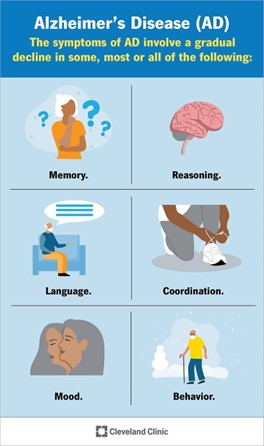
A nurse is caring for a client who is receiving total parenteral nutrition. Which of the following laboratory results indicates a possible complication of this therapy?
A. Serum calcium 12.5 mg/dL
A nurse caring for a client who is receiving total parenteral nutrition should identify that a serum calcium level of 12.5 mg/dL indicates a possible complication of this therapy. Total parenteral nutrition can result in electrolyte imbalances, including hypercalcemia (high levels of calcium in the blood).
B. BUN 16 mg/dL
A BUN level of 16 mg/dLis within the normal range.
C. Serum potassium 4.6 mEq/L
A serum potassium level of 4.6 mEq/L is within the normal range.
D. WBC count 8,000/mm³
A WBC count of 8,000/mm³is within the normal range.
Full Explanation
A nurse caring for a client who is receiving total parenteral nutrition should identify that a serum calcium level of 12.5 mg/dL indicates a possible complication of this therapy. Total parenteral nutrition can result in electrolyte imbalances, including hypercalcemia (high levels of calcium in the blood).
The other laboratory results are within normal ranges and do not indicate a complication of total parenteral nutrition.
b) A BUN level of 16 mg/dL is within the normal range.
c) A serum potassium level of 4.6 mEq/L is within the normal range.
d) A WBC count of 8,000/mm³ is within the normal range.
A nurse is reinforcing teaching with a postpartum client about bathing her newborn.
Which of the following statements should the nurse include?
A. Wash your newborn's head under a stream of running water.
A) "Wash your newborn's head under a stream of running water": Washing the newborn's head under a stream of running water is not safe due to the risk of startling the baby or causing discomfort. Instead, the head should be gently washed using a damp cloth or sponge.
B. Bathe your newborn within 30 minutes after a feeding.
B) "Bathe your newborn within 30 minutes after a feeding": Bathing a newborn within 30 minutes after feeding is not advisable as it may cause discomfort or spitting up due to the baby's full stomach. It is better to wait for some time after feeding before bathing the baby.
C. Start the bath by washing the newborn's diaper area first.
C) "Start the bath by washing the newborn's diaper area first": Starting the bath by washing the newborn's diaper area first is not recommended. The face and head should be washed first to avoid spreading bacteria from the diaper area to other parts of the body.
D. The bath water should be 100 to 103 degrees Fahrenheit.
D) "The bath water should be 100 to 103 degrees Fahrenheit": This is the correct temperature range for a newborn's bath water. It is essential to ensure that the water is warm enough to be comfortable but not too hot, to avoid burns or discomfort. The temperature should be checked with a thermometer or the elbow to ensure it is safe for the baby.
Full Explanation
Answer: D
Rationale:
A) "Wash your newborn's head under a stream of running water": Washing the newborn's head under a stream of running water is not safe due to the risk of startling the baby or causing discomfort. Instead, the head should be gently washed using a damp cloth or sponge.
B) "Bathe your newborn within 30 minutes after a feeding": Bathing a newborn within 30 minutes after feeding is not advisable as it may cause discomfort or spitting up due to the baby's full stomach. It is better to wait for some time after feeding before bathing the baby.
C) "Start the bath by washing the newborn's diaper area first": Starting the bath by washing the newborn's diaper area first is not recommended. The face and head should be washed first to avoid spreading bacteria from the diaper area to other parts of the body.
D) "The bath water should be 100 to 103 degrees Fahrenheit": This is the correct temperature range for a newborn's bath water. It is essential to ensure that the water is warm enough to be comfortable but not too hot, to avoid burns or discomfort. The temperature should be checked with a thermometer or the elbow to ensure it is safe for the baby.