Nursing practice questions with comprehensive rationales
NurseDive Free Nursing Practice Question
A nurse is admitting a client who has experienced a weight loss of 11 kg (25 lb) in the past 3 months. The client weighs 40 kg (88 lbs) and believes she is fat. Which of the following aspects of care should the nurse consider the first priority for this client?
A. identify the client's nutritional status.
Given the significant weight loss and the client's distorted belief about her body image (believing she is fat despite losing weight), it is crucial to assess the client's nutritional status first. Rapid weight loss and distorted body image are characteristic features of an eating disorder, such as anorexia nervosa. The nurse needs to determine the extent of malnutrition and potential medical complications related to inadequate nutrition. This assessment will guide the subsequent interventions.
B. Provide a structured environment for the client.
While providing a structured environment can be important in managing eating disorders, such as anorexia nervosa, it is not the first priority. Understanding the client's nutritional status and medical condition takes precedence.
C. Plan a therapeutic diet for the client
Planning a therapeutic diet may be part of the client's care plan, but without understanding the underlying nutritional status and potential eating disorder, creating a diet plan may not be effective or appropriate.
D. Request à mental health consult.
While a mental health consult is important for addressing the client's distorted body image and potential eating disorder, it should follow the assessment of nutritional status. The nutritional assessment provides critical information for both medical and psychological interventions.
This question is an excerpt from Nurse Dive's nursing test bank - ATI Mental Health Proctored Exam. Take the full exam now
Full Explanation
A. Identify the client's nutritional status.
Explanation:
Given the significant weight loss and the client's distorted belief about her body image (believing she is fat despite losing weight), it is crucial to assess the client's nutritional status first. Rapid weight loss and distorted body image are characteristic features of an eating disorder, such as anorexia nervosa. The nurse needs to determine the extent of malnutrition and potential medical complications related to inadequate nutrition. This assessment will guide the subsequent interventions.
Why the other choices are incorrect:
B. Provide a structured environment for the client.
While providing a structured environment can be important in managing eating disorders, such as anorexia nervosa, it is not the first priority. Understanding the client's nutritional status and medical condition takes precedence.
C. Plan a therapeutic diet for the client.
Planning a therapeutic diet may be part of the client's care plan, but without understanding the underlying nutritional status and potential eating disorder, creating a diet plan may not be effective or appropriate.
D. Request a mental health consult.
While a mental health consult is important for addressing the client's distorted body image and potential eating disorder, it should follow the assessment of nutritional status. The nutritional assessment provides critical information for both medical and psychological interventions.
Similar Questions
A nurse on a mental health unit is caring for a client who has generalized anxiety disorder. The client received a telephone call that was upsetting, and now the client is pacing up and down the corridors of the unit. Which of the following actions should the nurse take?
A. Have a staff member escort the client to her room.
Having a staff member escort the client to her room might be perceived as restrictive and could potentially escalate the client's anxiety. It's important to give the client some autonomy and not force them into isolation.
B. Allow the client to pace alone until physically tired.
While allowing the client to pace alone might seem like a non-intrusive option, it lacks the therapeutic engagement that can help the client feel supported and understood. It's important for the nurse to actively engage with the client to establish a therapeutic relationship.
C. Instruct the client to sit down and stop pacing.
Instructing the client to stop pacing could potentially increase their agitation and anxiety. Forcing the client to sit down against their wishes might lead to resistance and hinder the development of trust between the nurse and the client.
D. Walk with the client at a gradually slower pace.
This is the correct answer. Walking with the client at a gradually slower pace is a therapeutic approach that allows the nurse to build rapport, provide support, and help the client regulate their emotions. It respects the client's need for movement while also addressing their emotional state.
Full Explanation
A) Have a staff member escort the client to her room:
Having a staff member escort the client to her room might be perceived as restrictive and could potentially escalate the client's anxiety. It's important to give the client some autonomy and not force them into isolation.
B) Allow the client to pace alone until physically tired:
While allowing the client to pace alone might seem like a non-intrusive option, it lacks the therapeutic engagement that can help the client feel supported and understood. It's important for the nurse to actively engage with the client to establish a therapeutic relationship.
C) Instruct the client to sit down and stop pacing:
Instructing the client to stop pacing could potentially increase their agitation and anxiety. Forcing the client to sit down against their wishes might lead to resistance and hinder the development of trust between the nurse and the client.
D) Walk with the client at a gradually slower pace:
This is the correct answer. Walking with the client at a gradually slower pace is a therapeutic approach that allows the nurse to build rapport, provide support, and help the client regulate their emotions. It respects the client's need for movement while also addressing their emotional state.
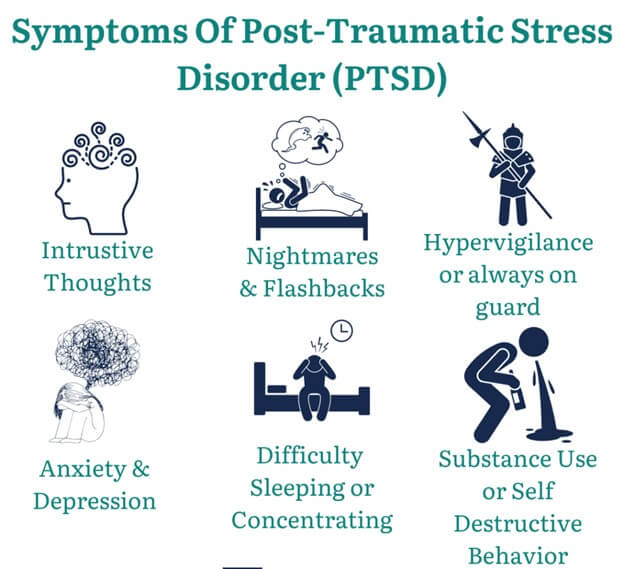
A nurse is caring for a client who was involved in heavy combat and observed war casualties. The nurse should suspect that the client is suffering from posttraumatic stress disorder (PTSD) if the client makes which of the following statements?
A. "My child was born with a birth defect due to an exposure I had overseas."
This statement does not directly relate to the core symptoms of PTSD. While exposure to trauma can have a variety of consequences, including potential exposure-related health issues, this statement does not necessarily indicate the re-experiencing, avoidance, or hyperarousal symptoms characteristic of PTSD.
B. I check any room I enter because the enemy is still after me and could be hiding anywhere."
This statement is more indicative of hyperarousal and hypervigilance, which are common symptoms of PTSD. However, it does not explicitly involve re-experiencing the traumatic event through nightmares or intrusive memories, as described in the correct answer.
C. "In my dreams, all I can see are the wounded reaching out and trying to grab me."
The statement "In my dreams, all I can see are the wounded reaching out and trying to grab me" indicates symptoms commonly associated with posttraumatic stress disorder (PTSD). This statement reflects the re-experiencing symptom cluster of PTSD, where individuals may have distressing and intrusive memories, nightmares, or flashbacks related to the traumatic event they experienced. The imagery of wounded individuals trying to grab the person suggests a strong emotional impact and ongoing distress related to the traumatic experience.
D. "I killed four enemy soldiers with my bare hands and saved my entire battalion."
While this statement might reflect exposure to a traumatic event and could contribute to symptoms of PTSD, it is presented in a way that seems more like a narrative of heroic actions rather than a symptom of distress or re-experiencing.
Full Explanation
A) "My child was born with a birth defect due to an exposure I had overseas."
This statement does not directly relate to the core symptoms of PTSD. While exposure to trauma can have a variety of consequences, including potential exposure-related health issues, this statement does not necessarily indicate the re-experiencing, avoidance, or hyperarousal symptoms characteristic of PTSD.
B) "I check any room I enter because the enemy is still after me and could be hiding anywhere."
This statement is more indicative of hyperarousal and hypervigilance, which are common symptoms of PTSD. However, it does not explicitly involve re-experiencing the traumatic event through nightmares or intrusive memories, as described in the correct answer.
C) "In my dreams, all I can see are the wounded reaching out and trying to grab me."
Explanation:
The statement "In my dreams, all I can see are the wounded reaching out and trying to grab me" indicates symptoms commonly associated with posttraumatic stress disorder (PTSD). This statement reflects the re-experiencing symptom cluster of PTSD, where individuals may have distressing and intrusive memories, nightmares, or flashbacks related to the traumatic event they experienced. The imagery of wounded individuals trying to grab the person suggests a strong emotional impact and ongoing distress related to the traumatic experience.
D) "I killed four enemy soldiers with my bare hands and saved my entire battalion."
While this statement might reflect exposure to a traumatic event and could contribute to symptoms of PTSD, it is presented in a way that seems more like a narrative of heroic actions rather than a symptom of distress or re-experiencing.
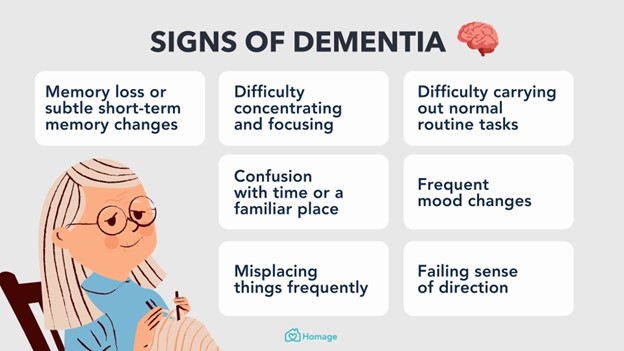
A community health nurse is providing teaching to the family of a client who has dementia. Which of the following manifestations should the nurse tell the family to expect?
A. Decreased display of emotions
While changes in emotional expression can occur in individuals with dementia, it's not a primary manifestation that is typically emphasized when educating families. Behavioral and psychological symptoms, including changes in emotion and personality, can be seen in dementia, but forgetfulness progressing to disorientation is a more direct and characteristic symptom of the condition.
B. Forgetfulness gradually progressing to disorientation
When educating the family of a client with dementia, the nurse should inform them to expect forgetfulness that gradually progresses to disorientation. Dementia is a progressive cognitive decline that affects memory, thinking, and reasoning. Forgetfulness is often one of the initial symptoms of dementia, and as the condition advances, individuals can become disoriented to time, place, and even people. This progression occurs due to the degeneration of brain cells and the accumulation of abnormal proteins.
C. Personality traits that are opposite of original traits
Changes in personality traits can indeed occur as a result of dementia, but this may not be the most prominent or early manifestation that the nurse would want to highlight when educating the family. The gradual progression of forgetfulness leading to disorientation is a more specific and foundational aspect of dementia.
D. Decreased auditory and visual acuity
Decreased sensory acuity, such as auditory and visual acuity, can happen with age and various health conditions, but they are not primary manifestations of dementia. Dementia primarily affects cognitive functions like memory, thinking, and reasoning.
Full Explanation
A) Decreased display of emotions:
While changes in emotional expression can occur in individuals with dementia, it's not a primary manifestation that is typically emphasized when educating families. Behavioral and psychological symptoms, including changes in emotion and personality, can be seen in dementia, but forgetfulness progressing to disorientation is a more direct and characteristic symptom of the condition.
B) Forgetfulness gradually progressing to disorientation
Explanation:
When educating the family of a client with dementia, the nurse should inform them to expect forgetfulness that gradually progresses to disorientation. Dementia is a progressive cognitive decline that affects memory, thinking, and reasoning. Forgetfulness is often one of the initial symptoms of dementia, and as the condition advances, individuals can become disoriented to time, place, and even people. This progression occurs due to the degeneration of brain cells and the accumulation of abnormal proteins.
C) Personality traits that are opposite of original traits:
Changes in personality traits can indeed occur as a result of dementia, but this may not be the most prominent or early manifestation that the nurse would want to highlight when educating the family. The gradual progression of forgetfulness leading to disorientation is a more specific and foundational aspect of dementia.
D) Decreased auditory and visual acuity:
Decreased sensory acuity, such as auditory and visual acuity, can happen with age and various health conditions, but they are not primary manifestations of dementia. Dementia primarily affects cognitive functions like memory, thinking, and reasoning.